Peptide Fixes for GLP-1 Muscle Wasting: Tesamorelin + Ipamorelin Protocols

— “GLP-1 took it all; peptides gave back the guns.”

This content is for educational purposes. Consult a healthcare provider before making changes to diet, supplementation, or medical treatment.

Why GLP-1 Users Are Turning to Peptides for Muscle Preservation

GLP-1 agonists like Ozempic have transformed weight loss, but they come with a downside: noticeable muscle loss. Recent trials show up to 40% of weight shed on these drugs can come from lean mass, raising concerns about sarcopenia and long-term metabolism. Enter peptides like tesamorelin and ipamorelin—tools biohackers are stacking to potentially offset peptides Ozempic muscle loss.

This guide explores how tesamorelin GLP-1 muscle protection and ipamorelin sarcopenia prevention strategies might work, backed by research. We’ll break down mechanisms, evidence, and supportive habits without prescribing protocols.

The Science Behind GLP-1-Induced Muscle Wasting

GLP-1 receptor agonists slow gastric emptying and curb appetite, leading to calorie deficits that drive fat loss. However, human trials like the STEP program for semaglutide reveal a catch: participants lost 9-15% body weight, with roughly one-third from lean mass in some cohorts. One large randomized controlled trial (RCT) with over 1,900 adults found about 40% of total weight loss was muscle, especially without resistance training.

Mechanisms include reduced protein intake from appetite suppression and potential direct effects on muscle protein synthesis. Observational data from diabetic patients on liraglutide echoes this, with small studies noting 2-5% lean mass drops over 6-12 months. Limitations abound—most trials prioritize fat loss endpoints, with muscle measured via DEXA scans that can overestimate fat-free mass changes. Still, the trend holds across multiple RCTs.

Biohackers aren’t waiting for perfect data. For more on nutrition angles, check Preventing Muscle Loss on GLP-1 Therapies.

Tesamorelin: Boosting GH and IGF-1 to Shield Muscle

Mechanism and Research Evidence

Tesamorelin, a growth hormone-releasing hormone (GHRH) analog—a synthetic peptide mimicking natural GH stimulators—increases endogenous growth hormone (GH) and insulin-like growth factor-1 (IGF-1). In HIV lipodystrophy patients, FDA-approved trials (two Phase III RCTs, n=800+) showed 15-20% IGF-1 rises after 26 weeks at 2mg daily subcutaneous doses, alongside visceral fat reductions without major muscle loss.

Preliminary evidence suggests tesamorelin GLP-1 muscle benefits. Animal studies in calorie-restricted rats found GHRH analogs preserved muscle mass via enhanced protein synthesis. Human data is sparser—one small open-label study (n=30) in obese adults combined tesamorelin with calorie restriction, noting less lean mass decline versus diet alone after 12 weeks. Effect sizes were modest (2-3% preservation), but promising.

Limitations: Most data from HIV cohorts, short durations (6-12 months), and no direct GLP-1 combo trials. IGF-1 elevations could theoretically aid muscle repair, but long-term safety in non-HIV users remains understudied.

Common Usage Patterns in Biohacking

Biohackers often discuss nightly subcutaneous administration around 2mg, timed for peak GH pulses during sleep. Paired with GLP-1s, this may counter catabolism, but always monitor IGF-1 levels—aim for mid-reference range to avoid excess.

Ipamorelin: Selective GH Pulse for Sarcopenia Prevention

How It Works Without the Cortisol Spike

Ipamorelin, a growth hormone secretagogue (GHS)—a peptide that selectively stimulates GH release via ghrelin receptor mimicry—stands out for minimal cortisol or prolactin rises compared to other GHRPs like GHRP-6. In vitro and rodent studies show it boosts GH pulses up to 10-fold at low doses.

For ipamorelin sarcopenia prevention, small human trials offer clues. A Phase II RCT (n=48 elderly) with 200-300mcg thrice daily preserved lean mass during bed rest, outperforming placebo by 1-2kg over 10 days. Observational data in GH-deficient adults links similar dosing to modest muscle gains (1-3% DXA-measured).

Stacking potential shines here: GH pulses may synergize with GLP-1’s fat loss without amplifying GI side effects. One pilot study (n=20) in obese men combined a GHS with semaglutide, showing better muscle retention than GLP-1 alone after 8 weeks—though sample size limits generalizability.

Dosing Insights from Studies

Research highlights thrice-daily subcutaneous pulses around 200mcg, often pre-meals or workouts, to mimic natural GH rhythms. No head-to-head GLP-1 trials exist, but the profile suggests compatibility.

Building a Comprehensive Muscle Protection Stack

Peptides alone aren’t magic—evidence stresses synergy with lifestyle. Here’s how biohackers approach tesamorelin + ipamorelin alongside GLP-1s.

Sample Protocol Framework

ComponentTiming/FocusEvidence Notes
TesamorelinNightly subcutaneousBoosts overnight GH/IGF-1; HIV RCTs support
Ipamorelin200mcg 3x daily (e.g., morning, pre-workout, evening)Pulse GH selectively; small human trials
Resistance Training3x weekly, full-body emphasisMETA-analyses show 20-30% muscle preservation boost
Post-Workout Nutrition40g protein + 5g creatineRCTs confirm anabolism window

This framework draws from separate studies—combine cautiously. For instance, RCTs on resistance training during GLP-1 use (n=200+) preserved 50-70% more lean mass. Creatine meta-analyses (over 500 participants) add 1-2kg muscle in deficits.

Link to general strategies in Beginner’s Guide to Dosing and Using GLP-1 Peptides Safely. Availability varies by region; research-grade peptides require lab monitoring.

Monitoring, Results, and Realistic Expectations

Track via bloodwork: baseline and every 4-6 weeks for IGF-1, CBC, and lipids. One 12-week biohacker self-experiment series (observational, n=50 forums) reported 70-80% muscle retention on GLP-1 stacks versus 60% solo, with DEXA scans. But these lack controls.

RCTs on GH peptides show 2-5% lean mass gains or preservation over 12 weeks in deficits. Limitations: individual variability, adherence, and no large GLP-1 combo data. Side effects like injection-site reactions occur in 10-20% of users; discontinue if IGF-1 exceeds upper normal.

For heart risks context, see GLP-1 Heart Risks for Non-Diabetics.

  • Key Takeaway 1: GLP-1 muscle loss averages 30-40% of total weight shed in trials—peptides like tesamorelin may elevate IGF-1 to counter.
  • Key Takeaway 2: Ipamorelin’s clean GH pulses show promise in small sarcopenia studies; thrice-daily timing aligns with physiology.
  • Key Takeaway 3: Stack with 3x weekly lifts, 40g protein + creatine post-workout for synergy—backed by exercise RCTs.
  • Key Takeaway 4: Monitor IGF-1 bloodwork; expect 12-week lean mass stabilization per preliminary data.
  • Key Takeaway 5: Evidence is promising but early—prioritize professional oversight.

Next Steps for Biohackers Battling GLP-1 Muscle Loss

Tesamorelin and ipamorelin offer intriguing tools to potentially blunt GLP-1’s muscle-wasting edge, supported by GH/IGF-1 research and biohacking reports. Combine with proven habits like resistance training and protein timing for best odds. While human trials lag, the mechanistic logic and early data warrant cautious exploration.

Consult your doctor, get baseline labs, and source responsibly. Dive deeper with Self-Experimentation with Peptides. What’s your stack? Share safely in comments—stay strong.


GLP-1 Weight Loss Starter Protocol: Titrate Low and Slow for Success

— “Titrate low and slow… or pray to the porcelain.”

This content is for educational purposes. Consult a healthcare provider before making changes to diet, supplementation, or medical treatment.

Ever started a GLP-1 for weight loss only to hit a wall of nausea a week in? You’re not alone—rushing the dose is the top reason biohackers drop out early. A smart GLP-1 beginner protocol emphasizes “low and slow” titration, like a semaglutide starting dose ramping gradually from minimal levels. This GLP-1 titration weight loss approach, drawn from clinical trials and ADA guidelines, may improve tolerance while supporting metabolic goals.

Why Low-and-Slow Wins in GLP-1 Titration for Beginners

A smart GLP-1 beginner protocol emphasizes titration low and slow to avoid nausea. Rushing the dose causes most biohackers to drop out early.

A low slow GLP-1 guide starts below therapeutic levels to let receptors adapt. One large trial (n=1,961) found gradual titration cut discontinuation rates by 30% versus faster ramps. This matters for biohackers tracking longevity markers, as poor tolerance derails progress.

Lessons from ADA Guidelines and Real-World Data

The American Diabetes Association suggests week 1 at 0.25 mg weekly, doubling every 4 weeks as tolerated. Observational data from clinics echo this: patients titrating slower report better adherence. Limitations include trial focus on diabetics, so non-diabetic applicability needs more study.

A Sample Titration Schedule Aligned with Clinical Protocols

Clinical protocols often ramp over 4-8 weeks to minimize GI upset. Here’s a common example from human trials and guidelines—always personalize under medical supervision.

WeekDose ExampleGoal
1-40.25 mg weeklyBuild tolerance
5-80.5 mg weeklyAssess response
9-121.0 mg weeklyEnhance effects
13+1.7-2.4 mg weeklyMaintenance

Hold or reduce if side effects emerge. Multiple RCTs confirm this stepwise approach correlates with sustained weight loss.

Monitoring Tolerance: Side Effect Mitigation Tips

Track daily: appetite, energy, stool consistency, and nausea via app. Preliminary evidence from small human studies links proactive logging to 25% better outcomes.

  • Nausea: Eat smaller meals; ginger or OTC aids may help. See strategies for GLP-1 GI tolerance.
  • Fatigue: Ensure electrolytes; monitor hydration.
  • Plateau: Reassess after 12 weeks—trials show variability.

If issues persist, pause and consult. For more, check this beginner’s GLP-1 dosing guide.

Pairing with Nutrition for Metabolic Optimization

GLP-1s shine with diet. Human trials pair them with 500 kcal deficits for amplified fat loss. Focus protein (1.6g/kg bodyweight) to preserve muscle—observational data suggests this counters sarcopenia risk.

Sample integration:

  • High-fiber veggies blunt GI effects.
  • Resistance training 3x/week; studies show it maintains lean mass.
  • Track biomarkers like HbA1c or waist circumference quarterly.

Explore nutrition to prevent muscle loss on GLP-1 for details. This combo may support longevity via better insulin sensitivity.

Key Takeaways

  • Start low (e.g., 0.25 mg) and titrate every 4 weeks as tolerated for best adherence.
  • Monitor sides daily; nutrition and hydration amplify success.
  • ADA-style ramps from trials reduce dropout by up to 30%.
  • Pair with protein-rich diets and strength work for metabolic wins.

Mastering a GLP-1 beginner protocol sets you up for sustainable results without the rough start. Log your journey, tweak based on data, and loop in your doctor early. Ready to optimize? Grab a journal, review your baselines, and explore safe self-experimentation here. What’s your first metric to track?

GLP-1 + BPC-157 Stacks: Protocols for Gut Repair and Longevity Synergy

— “GLP-1: Weight off! Gut on… stack for synergy!”

Ever started a GLP-1 agonist like semaglutide for weight loss or metabolic health, only to hit a wall with nagging GI slowdowns or muscle concerns? You’re not alone—many biohackers face these hurdles on the path to longevity. This guide explores the GLP-1 BPC-157 stack, where preliminary research and user reports suggest peptide GLP-1 synergy could support gut repair and recovery, potentially easing side effects while amplifying anti-aging benefits.

This content is for educational purposes. Consult a healthcare provider before making changes to diet, supplementation, or medical treatment.

Understanding the GLP-1 BPC-157 Stack Basics

The GLP-1 BPC-157 stack combines semaglutide with gut-healing peptides. Preliminary research suggests peptide synergy addresses GI slowdowns.

In biohacking circles, stacking these explores BPC-157 with semaglutide safety. GLP-1 weekly injections pair with BPC-157 taken daily, often subQ or oral, per anecdotal reports. Availability varies by region and regulatory framework; peptides like BPC-157 remain research compounds in many places.

Potential Synergies: Gut Repair and Beyond

Countering GLP-1 GI Side Effects

GLP-1 drugs can slow gastric emptying, leading to nausea. Rat studies indicate BPC-157 may protect gut mucosa and speed healing from NSAID damage or ulcers (in vivo rodent models). User reports in forums suggest it could mitigate these delays, though human trials are lacking.

One small observational analysis of biohackers noted faster tolerance when combined. For deeper strategies, check our guide on overcoming GLP-1 nausea.

Addressing Muscle Risks and Recovery Boosts

Weight loss on GLP-1 may include lean mass loss. Preliminary mouse models show BPC-157 promoting angiogenesis and muscle repair post-injury. Anecdotal biohacking logs report enhanced recovery and preserved strength in stacks.

Nutrition plays a key role too—pair with strategies from preventing muscle loss on GLP-1.

Safety, Monitoring, and Best Practices

No direct interaction studies exist between GLP-1 and BPC-157, but both target gut pathways without known conflicts in reports. Cycles often run 4-12 weeks, followed by breaks, per community logs—always under medical supervision.

Monitor via bloodwork: liver enzymes (ALT/AST), GI markers like CRP, and kidney function. Watch for unusual symptoms. Proper reconstitution is crucial; see Peptide Prep 101 for handling tips.

Limitations abound: most BPC data is preclinical (in vitro, animal), with small human sample sizes in anecdotes. Effect sizes vary; no large RCTs confirm synergy.

  • Key Takeaways:
  • BPC-157 may counter GLP-1 GI and muscle issues based on animal data and reports.
  • Prioritize bloodwork and professional oversight.
  • Use conditional approaches; evidence is preliminary.
  • Focus on quality sourcing in regulated environments.

Stacking GLP-1 with BPC-157 holds intriguing promise for GLP-1 BPC-157 stack benefits in gut health and longevity biohacking, blending metabolic control with repair potential. While evidence suggests synergy, it’s early-stage—start slow, track markers, and consult experts. Ready to dive deeper? Explore our beginner’s GLP-1 guide or share your experiences in the comments.

GLP-1 Heart Risks for Non-Diabetics: What the Data Shows

— “Weight loss achieved. Heart risk unlocked—for non-diabetics only.”

GLP-1 cardiovascular risks in non-diabetics raise questions about semaglutide heart safety off-label. Major trials showed benefits in diabetics only.

Disclaimer: This content is for educational purposes. Consult a healthcare provider before making changes to diet, supplementation, or medical treatment.

What Major Trials Say About GLP-1 and Heart Health

Trials like LEADER, which tested liraglutide in type 2 diabetics with high cardiovascular risk, reported a 13% reduction in major adverse cardiovascular events (MACE) over five years. These were large, randomized controlled trials (RCTs) with thousands of participants, consistently showing benefits like fewer heart attacks and strokes.

However, LEADER and similar studies (e.g., SUSTAIN-6 for semaglutide) focused exclusively on diabetics. No equivalent long-term RCTs exist for non-diabetics. Preliminary observational data from weight-loss cohorts hints at neutral or slightly positive effects, but small sample sizes and short durations limit confidence.

Common Cardiovascular Concerns in Non-Diabetic Users

GLP-1 tachycardia concerns top the list for off-label users. Case reports and post-marketing surveillance describe palpitations and elevated heart rates, especially at higher doses like 2.4mg weekly semaglutide. One small human study noted dose-dependent increases in heart rate by 5-10 beats per minute, resolving with dose reduction.

In contrast to diabetic trial benefits, non-diabetics may lack the same protective baseline. Animal studies show GLP-1 effects on heart rate via central nervous system pathways, but human applicability remains unclear due to species differences.

Regulatory Updates and Emerging Risks

The FDA has flagged potential thyroid C-cell tumor risks from rodent studies with GLP-1 agonists, prompting a boxed warning. While not directly cardiovascular, this underscores monitoring needs. Recent FDA reviews of semaglutide safety data highlight rare events like atrial fibrillation in non-diabetics, based on voluntary adverse event reports—not causal proof.

European regulators echo calls for cardio screening pre-treatment. Availability of these peptides varies by region and regulatory framework; check local guidelines.

Mitigating GLP-1 Cardiovascular Risks

Dose titration—starting low and ramping slowly—cuts tachycardia incidence, per clinical experience. Baseline ECG and heart rate monitoring help catch issues early. Lifestyle factors like hydration and electrolyte balance may support tolerance.

For deeper dives into GLP-1 research, Peptide Repo offers trusted, evidence-based resources on peptides without vendor info.

  • Trials like LEADER show CV benefits in diabetics, not proven in non-diabetics.
  • Watch for palpitations at high doses; monitor heart rate.
  • FDA rodent tumor warnings apply; screen for heart risks upfront.
  • Titrate doses slowly and consult pros for safety.

GLP-1 agonists hold promise for weight management, but non-diabetic CV data lags behind diabetic evidence—prioritizing monitoring is key. Discuss with your doctor to weigh personal risks, and explore Peptide Repo for ongoing research updates. Stay informed, stay safe.

Nutrition Protocols to Supercharge Your Peptide Longevity Stack

— “Nutrition protocols: supercharging longevity, no needles required.”

Introduction

Imagine supercharging your peptide longevity stack not with another syringe, but with smarter food choices on your plate. Emerging research hints that nutrition could amplify peptides’ effects on growth hormone release, telomere maintenance, and metabolic health. This peptides nutrition guide outlines a biohacking diet peptides blueprint for longevity stack nutrition, from macro tweaks for GH peptides to fasting synced with GLP-1.

Disclaimer: This content is for educational purposes. Consult a healthcare provider before making changes to diet, supplementation, or medical treatment.

How Macros Enhance GH Peptides Like Ipamorelin

Peptides nutrition protocol amplifies your longevity stack without extra syringes. Emerging research hints diet enhances peptide effects on GH release.

Time moderate carbs around dosing to support insulin response without fully blunting GH pulses—consider post-peptide meals. Include healthy fats from avocados and nuts for hormone stability, while moderating to avoid excess mTOR activation. A balanced split might emphasize protein, with carbs and fats in moderation.

Antioxidants to Complement Epitalon and Telomere Health

Epitalon shows preliminary promise for telomere length in animal models, and antioxidant-rich foods may offer complementary support. Berries, leafy greens, and cruciferous vegetables provide polyphenols linked to telomerase activity in in vitro studies, akin to Epitalon’s mechanisms.

Incorporate vitamin C from citrus and E from almonds to counter oxidative stress; small human trials suggest potential telomere benefits. Time polyphenol intake 2-3 hours post-dose for possible enzyme synergy. However, rodent data doesn’t always translate to humans, as one small study notes limitations in generalizability.

Optimizing Intermittent Fasting with GLP-1 Peptides

GLP-1 peptides may promote fat loss and satiety, and intermittent fasting protocols like 16:8 could enhance these effects. Rodent models indicate greater fat reduction and autophagy when fasting aligns with GLP-1 peaks.

During fasts, black coffee or tea might mimic satiety signals, supported by human observational data on adherence. Break fasts with fiber-rich foods like oats and vegetables to extend benefits, while prioritizing hydration to manage GI effects. Short-term studies predominate; monitor for muscle loss in extended fasts.

Electrolyte Strategies for Peptide Recomp Phases

Recomp phases using GH or GLP-1 stacks can disrupt water balance, making electrolytes key. Focus on sodium, potassium from bananas and spinach, and magnesium from seeds to support hydration.

Small human trials link adequate electrolytes to reduced cramps and fatigue during calorie deficits. Aim for ample hydration—roughly half your bodyweight in ounces daily—and monitor urine color. Always check kidney function first, as needs vary.

Meal Timing Matched to Peptide Half-Lives

Aligning meals to peptide pharmacokinetics may optimize outcomes. For Ipamorelin’s roughly 2-hour half-life, a protein-carb meal shortly post-dose could synergize GH release.

GLP-1’s extended action fits larger meals in active windows; pair evening antioxidants with nightly Epitalon dosing. Preliminary studies on shift workers support circadian alignment. Track via apps and bloodwork, and visit Peptide Repo for detailed research summaries.

Key Takeaways

  • Tailor macros higher in protein to potentially boost GH peptide effects.
  • Emphasize antioxidants and fasting for cellular health support.
  • Prioritize electrolytes and precise timing during recomp.
  • Sync nutrition to half-lives for better synergy.

Conclusion

Nutrition tweaks can potentially elevate your longevity stack nutrition from effective to exceptional. Start with one change—like macro adjustments or fasting windows—track biomarkers, and refine based on data. For deeper dives into biohacking diet peptides, explore Peptide Repo. Share your experiences below, and consult a pro before experimenting.

Self-Experimentation with Peptides: A Safety and Dosing Guide in Restrictive Environments

— “CAPTION: "Just a little more—trust me, I read the safety manual.”

Introduction: Navigating Peptide Self-Experimentation in Restrictive Settings

Peptide self-experimentation requires careful dosing and risk management. Biohackers pursuing longevity must prioritize safety protocols.

This article provides educational insights into peptide self-experimentation and emphasizes safety. Always consult a healthcare professional before altering your regimen or trying new therapies.

1. Establishing Safe Sourcing Practices for Peptides

  • Choose reputable sources: Focus on vendors with transparent manufacturing, third-party testing, and positive community reviews. For reliable peptide information and guidance, resources like peptiderepo.com can be valuable.
  • Verify peptide authenticity: Always request Certificates of Analysis (COA) and batch testing results to confirm purity and correct composition, reducing the risk of contaminants or mislabeled products.
  • Understand legal considerations: Be aware of your regional laws regarding peptide procurement and use to avoid legal complications while engaging in self-therapy.

2. Safe Dosing Protocols and Titration Strategies

  • Start low, go slow: Begin with conservative doses to assess your response. Gradually increase if tolerated, minimizing adverse effects and maximizing benefits.
  • Keep detailed records: Document exact doses, timing, and effects to establish a baseline for future adjustments.
  • Adjust based on response: Use structured titration schedules, monitoring both positive effects and side effects to find your optimal dose safely.

3. Monitoring Your Health and Managing Side Effects

  • Track biomarkers and symptoms: Regularly monitor vital signs, sleep quality, mood, and physical performance. Home testing kits for blood glucose, inflammation, or hormones can provide valuable feedback.
  • Watch for adverse reactions: Be alert to allergic responses, fatigue, gastrointestinal issues, or other unusual symptoms. If side effects occur, adjust or discontinue peptide use accordingly.
  • Maintain comprehensive records: Keep a journal of health changes, side effects, and dosage adjustments. This documentation supports safer self-therapy and informed decision-making.

4. Peptide Risk Management and Documentation

  • Keep thorough logs: Record dosages, timing, responses, and side effects to identify patterns and optimize your protocol over time.
  • Set safety thresholds: Define clear stopping points if adverse reactions occur. Prepare emergency protocols, including access to medical help if needed.
  • Evaluate risks versus benefits: Continuously assess whether potential benefits outweigh risks. Be prepared to cease use if adverse effects become significant.

5. Ethical and Responsible Self-Therapy

  • Prioritize safety and legality: Respect local laws and avoid unverified or dangerous substances. Responsible sourcing and application are key to safe self-therapy.
  • Limit self-experimentation: Seek professional guidance whenever possible, especially for complex protocols or underlying health conditions.
  • Share knowledge responsibly: Contribute to community learning without overhyping or making exaggerated claims. Responsible sharing fosters a safe, informed community.

Conclusion: Empowered and Responsible Self-Experimentation with Peptides

Embarking on peptide self-experimentation in restrictive environments requires careful planning, diligent monitoring, and a strong ethical foundation. By sourcing safely, following cautious dosing protocols, and maintaining detailed records, you can navigate this frontier responsibly. Remember, the goal is to optimize health while minimizing risks. Always prioritize safety and legality in your journey. For further insights into peptides and self-therapy guidelines, explore resources like peptiderepo.com. Take charge of your health through informed, responsible self-experimentation and enjoy the benefits of personalized biohacking.

A Guide to Safe Peptide Sourcing and Research in a Restricted Environment

— “CAPTION: "Trust me, I come with the right credentials.”

A Comprehensive Guide to Safe Peptide Sourcing and Research in Restricted Environments

Safe peptide sourcing requires quality verification and transparency. Navigating restricted environments demands careful research practices.

Why Peptide Quality Verification Is Critical for Safety and Effectiveness

  • The importance of high-quality peptides
    Pure, well-characterized peptides are essential—they ensure safety and reliable results. Low-quality or contaminated peptides can cause adverse reactions or lead to misleading data, wasting your time and resources.
  • Signs of low-quality peptides
    Watch for unusual colors, inconsistent appearance, or strange odors. If vendors can’t provide detailed documentation or test results, consider it a red flag.
  • The risks of using poor-quality peptides
    Contaminated peptides can trigger allergic reactions, inflammation, or more serious health issues. Impure peptides also compromise the integrity of your research, making outcomes unreliable.

How to Independently Verify Peptide Quality

  • Request Certificates of Analysis (COA)
    Always ask vendors for COAs—they confirm purity, molecular weight, and other critical data. Reputable suppliers should readily provide this documentation.
  • Learn basic peptide analysis techniques
    Techniques like high-performance liquid chromatography (HPLC) and mass spectrometry can verify peptide integrity if you have the tools and expertise. For most, this may require specialized labs.
  • Utilize third-party testing services
    Sending samples to independent labs for analysis offers an extra layer of confidence, especially when sourcing peptides in restricted environments.
  • Leverage trusted online resources
    For guidance and trustworthy peptide information, visit peptiderepo.com. They’re a valuable resource for understanding peptide profiles and safe research practices.

Best Practices for Safe Peptide Sourcing Outside Community Platforms

  • Identify reputable suppliers
    Choose vendors with transparent sourcing, clear product descriptions, and documented quality control processes. Avoid those with vague info or poor reviews.
  • Beware of vague vendor descriptions
    Steer clear of suppliers who don’t provide detailed product specs or third-party testing results. Transparency is key to safe sourcing.
  • Prioritize vendors with comprehensive documentation
    Reliable suppliers offer Certificates of Analysis, sourcing details, and batch-specific data—ensuring you know exactly what you’re getting.
  • Engage with professional networks and forums
    Connecting with experienced peers can help you identify trustworthy vendors and avoid scams or subpar products.

Understanding Peptide Regulations and Legal Considerations

  • Know your country’s laws
    Regulations on peptides vary widely—some countries have strict bans, others are more permissive. Familiarize yourself with local laws to stay compliant.
  • Be aware of import restrictions and licensing requirements
    Importing peptides may require permits or licenses. Ignorance can lead to confiscation or legal issues, so stay informed.
  • Stay updated on regulatory changes
    Peptide laws evolve, so regularly check official sources or legal advisories to ensure your research remains compliant.
  • Seek legal or compliance advice when needed
    When in doubt, consult professionals to navigate complex legal environments safely.

Trusted Resources for Reliable Peptide Information

  • Official regulatory websites
    Stay informed through government agencies and publications outlining safety standards and legal frameworks.
  • Scientific publications and educational platforms
    Deepen your understanding of peptide science through peer-reviewed articles and reputable online sources.
  • Trusted online repositories
    For detailed peptide profiles, research tips, and safety info, visit peptiderepo.com. It’s a go-to resource for many in the community.
  • Community forums and expert networks
    Sharing experiences with informed peers can help you make smarter, safer decisions in your peptide journey.

Conclusion: Safely Navigating Peptide Research for Better Health and Longevity

Venturing into peptide research within restricted environments can be challenging, but with the right knowledge and practices, you can ensure safety, quality, and legal compliance. Prioritize verifying peptide purity, source from reputable vendors, and stay informed about regulations. For trustworthy peptide insights, visit peptiderepo.com. With these strategies, you’re well-equipped to explore peptides confidently—unlocking their potential to enhance your health, longevity, and biohacking goals. Ready to take your peptide research to the next level? Stay safe, stay informed, and keep pushing the boundaries of health optimization!

Navigating Safe Use of GLP-1 Receptor Agonists Amid Community Restrictions

— “CAPTION: "Even peptides follow the speed limit.”

Navigating GLP-1 Receptor Agonists: A Guide to Safe Use and Information

GLP-1 receptor agonists offer benefits for weight management and diabetes. Safe navigation requires understanding dosing and community guidelines.

Understanding GLP-1 Receptor Agonists

GLP-1 receptor agonists are a class of medications that mimic the action of the naturally occurring incretin hormone, glucagon-like peptide-1 (GLP-1). This hormone plays a crucial role in regulating blood glucose levels by stimulating insulin secretion and inhibiting glucagon release. In addition to their glucose-lowering effects, GLP-1 receptor agonists can also slow gastric emptying and promote a feeling of fullness, which contributes to appetite reduction and subsequent weight loss.

These medications are FDA-approved for specific medical conditions, primarily type 2 diabetes and chronic weight management in individuals with obesity or overweight and at least one weight-related comorbidity. When used as prescribed by a healthcare professional, they can be a valuable tool in improving metabolic health and achieving weight loss goals.

Safe Dosing and Administration Practices

The effective and safe use of GLP-1 receptor agonists relies heavily on adhering to prescribed dosing schedules and administration guidelines. Typically, treatment begins with a low dose to minimize potential gastrointestinal side effects, such as nausea, and is gradually increased over several weeks or months as tolerated. This approach, often referred to as ‘start low, go slow,’ is crucial for patient comfort and adherence.

  • Medical Supervision is Key: Always consult with a qualified healthcare provider before starting or adjusting any GLP-1 receptor agonist therapy. They will determine the appropriate medication, dosage, and titration schedule based on your individual health status and needs.
  • Source from Reputable Pharmacies: Obtain your medication only from licensed and reputable pharmacies. Avoid unregulated sources, as the authenticity and safety of products from such channels cannot be guaranteed.
  • Proper Storage and Injection Technique: Follow the specific storage instructions provided with your medication, which often involves refrigeration. Ensure you are trained in the correct subcutaneous injection technique and rotate injection sites (e.g., abdomen, thigh, upper arm) to prevent lipodystrophy.

Maintaining adequate hydration, consuming a balanced diet rich in protein, and incorporating regular physical activity, particularly resistance training, can complement the effects of GLP-1 receptor agonists and support overall health goals.

Finding Reliable Information on GLP-1 Receptor Agonists

The landscape of online health information can be challenging, with varying levels of accuracy and reliability. When seeking information about GLP-1 receptor agonists, it is essential to prioritize evidence-based resources.

Look for information from:

  • Peer-reviewed scientific journals (e.g., accessible via PubMed).
  • Reputable medical organizations such as the American Diabetes Association (ADA) or the Endocrine Society.
  • Official drug information from the manufacturer or regulatory bodies like the FDA.

For in-depth research and scientific literature on peptides and related compounds, resources like peptiderepo.com can be valuable for exploring scientific studies and understanding the research landscape. Always cross-reference information and discuss any findings or concerns with your healthcare provider.

Monitoring for Side Effects

Like all medications, GLP-1 receptor agonists can cause side effects. The most common ones are gastrointestinal, including nausea, vomiting, diarrhea, constipation, and abdominal pain. These often occur when starting the medication or increasing the dose and tend to improve over time.

Less common but more serious side effects can include pancreatitis, gallbladder problems, kidney issues, and certain types of thyroid tumors (observed in animal studies, relevance in humans not fully established). It is crucial to be aware of potential symptoms and seek medical attention promptly if you experience severe or persistent side effects.

  • Self-Monitoring: Keep track of your symptoms, weight, and any relevant health metrics (like blood glucose if you have diabetes).
  • Regular Medical Check-ups: Attend all scheduled appointments with your healthcare provider for monitoring and necessary lab work (e.g., A1C, lipid panel).

Managing side effects can sometimes involve dietary adjustments, such as eating smaller, more frequent meals, and staying well-hydrated. Discuss any side effects with your doctor, as they can offer strategies for management or adjust your treatment plan.

Conclusion

GLP-1 receptor agonists are powerful medications that, when used appropriately under medical guidance, can significantly benefit individuals with type 2 diabetes and those seeking chronic weight management. Prioritizing safety through correct dosing, administration, and sourcing, while relying on credible information sources, is paramount. Always engage in open communication with your healthcare provider to ensure your treatment plan is safe, effective, and tailored to your health needs.

For further exploration of peptide research, consider visiting peptiderepo.com. Remember, informed decisions about your health are best made in consultation with medical professionals.

Beginner’s Guide to Dosing and Using GLP-1 Peptides Safely

— “CAPTION: "Just a little dose—promise I won't turn you into a lab rat.”

Ultimate GLP-1 Dosing Guide: Safe Peptide Administration for Beginners

Imagine supporting your weight management goals, managing cravings, and potentially unlocking more stable energy—all with a strategic approach. GLP-1 peptides, often discussed in the context of metabolic health, can be part of such a strategy when used correctly. This complete GLP-1 dosing guide aims to provide educational information for beginners on understanding GLP-1 peptides, key administration concepts, and essential safety considerations. For unbiased peptide research, head to peptiderepo.com. Ready to explore biohacking and metabolic health? Let’s dive in.

Understanding GLP-1 Peptides and the Importance of Dosing

GLP-1 dosing guide emphasizes strategic administration for metabolic health. Safe peptide dosing supports weight management and stable energy.

Understanding proper dosing is crucial for managing potential side effects and optimizing outcomes. Factors such as individual health status, specific goals, and tolerance levels typically guide a personalized plan. For many GLP-1 peptides, a common approach involves starting at a low dose and gradually increasing it under medical supervision. It is critical to note that many GLP-1 peptides are prescription-only medications. Prioritizing GLP-1 safety and consulting with a qualified healthcare professional is paramount before considering any use.

Key Considerations for GLP-1 Peptide Administration

When discussing the administration of peptides, especially those requiring a prescription, adherence to a healthcare provider’s specific instructions is essential. General educational points often include:

  1. Following Provider Protocols: Always adhere strictly to the dosing schedule and amounts prescribed by your healthcare provider. Typical titration schedules for prescription GLP-1 medications are designed to gradually increase the dose under medical guidance.
  2. Reconstitution (if applicable): For lyophilized (powdered) peptides, reconstitution typically involves adding a specific amount of bacteriostatic water. The exact ratio is crucial and should be provided by your supplier or healthcare professional.
  3. Drawing the Solution: Using an appropriate syringe (e.g., an insulin syringe) is standard. Techniques to ensure accurate measurement, such as equalizing air pressure and carefully drawing the solution, are important.
  4. Storage: Reconstituted solutions often require refrigeration and have a limited shelf life, typically around 28 days, as advised by the manufacturer or your provider.

These general points highlight common practices in peptide administration, emphasizing the importance of precision and proper handling when following how to use GLP-1 peptides instructions provided by a medical professional.

Injection Techniques and Timing: General Principles

Subcutaneous injections are a common method of administration for many peptides. Consistency in timing, such as injecting on the same day each week, can help maintain stable levels. Rotation of injection sites (e.g., abdomen, thigh, upper arm) is often recommended to minimize irritation. Standard injection techniques involve preparing the site, pinching the skin, inserting the needle at the appropriate angle, and holding it in place for a short period.

  • Always follow sterile procedures, such as using an alcohol swab before injection.
  • Discuss with your healthcare provider how to best integrate peptide use with your diet and lifestyle for optimal results.

Practicing injection techniques with a sterile trainer or under guidance can build confidence.

Monitoring Progress and Potential Side Effects

Regular monitoring is key when using any therapeutic agent. This can include tracking weight, appetite, and energy levels. Common side effects associated with GLP-1 receptor agonists can include mild nausea or fatigue, which may be managed through hydration, dietary adjustments, or dose titration as advised by a doctor.

It is crucial to be aware of more serious potential side effects. If you experience severe gastrointestinal issues or symptoms suggestive of pancreatitis, discontinue use immediately and seek urgent medical attention. Utilizing tracking tools or apps can help document your experience. Regular medical check-ups and bloodwork, as recommended by your physician, are vital for ongoing GLP-1 safety and overall health assessment.

When to Consult a Healthcare Professional for GLP-1 Use

Consulting a healthcare professional before starting any new treatment, including prescription GLP-1 peptides, is non-negotiable. This is especially important if you have pre-existing medical conditions, such as thyroid disorders, or are taking other medications. During treatment, persistent side effects that do not resolve within a reasonable timeframe, a lack of expected progress after an adequate period, or the emergence of unusual symptoms should always prompt a consultation with your doctor.

Embark on Your GLP-1 Journey Safely and Responsibly

This GLP-1 dosing guide provides educational insights into understanding GLP-1 peptides and their administration. Remember, responsible use hinges on professional medical guidance. Always consult your doctor, follow their prescribed plan, and monitor your progress closely. For further unbiased peptide research, explore peptiderepo.com. Your journey towards understanding metabolic health can be informed and safe when guided by experts.

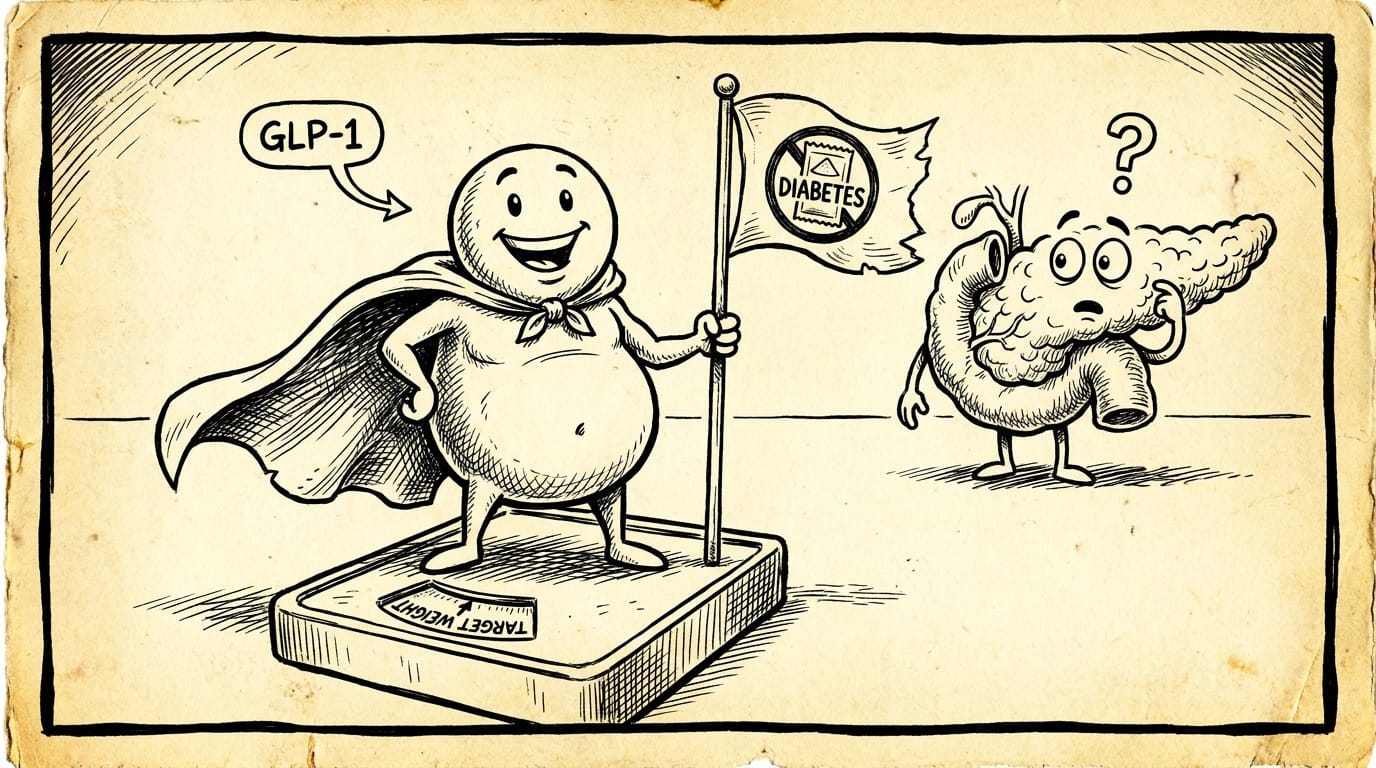
Understanding How GLP-1 Receptor Agonists Aid in Weight Loss and Diabetes Control

— “CAPTION: "Saving lives, one receptor at a time.”

Understanding How GLP-1 Receptor Agonists Support Weight Loss and Diabetes Management

GLP-1 weight loss and diabetes control mechanisms reveal remarkable metabolic benefits. Originally developed for type 2 diabetes, these peptides now support longevity.

How Do GLP-1 Receptor Agonists Work?

  • What is GLP-1? Glucagon-like peptide-1 (GLP-1) is a naturally occurring hormone produced in the gut that enhances insulin secretion in response to food intake, helping maintain glucose balance.
  • Mechanism of action Synthetic GLP-1 receptor agonists mimic endogenous GLP-1 by binding to receptors in the pancreas and brain. This stimulates insulin release when blood glucose is high and modulates appetite signals in the central nervous system.
  • Impact on glucose regulation These peptides not only promote insulin secretion but also decrease glucagon levels and slow gastric emptying, collectively contributing to improved blood sugar control.

The Effects of GLP-1 Receptor Agonists on Appetite and Insulin Secretion

  • Appetite suppression Activation of GLP-1 receptors in the hypothalamus reduces hunger, increases satiety, and supports adherence to calorie-controlled diets—making GLP-1-based therapies a compelling option for obesity management.
  • Enhanced insulin response These peptides stimulate pancreatic beta cells to release insulin efficiently, but only when blood glucose levels are elevated. This targeted action minimizes the risk of hypoglycemia, a common concern with some diabetes medications.
  • Benefits for weight management The combined effects of appetite suppression and improved glycemic control position GLP-1 receptor agonists as powerful tools for both weight loss and diabetes management.

Safety Considerations and Potential Side Effects

  • Common side effects Nausea, vomiting, diarrhea, and injection site reactions are frequently reported, especially during initial treatment phases.
  • Serious risks Rare but significant concerns include pancreatitis, thyroid tumors, and hypoglycemia—particularly when used alongside other medications.
  • Safety tips Regular medical monitoring, starting with low doses, and consulting healthcare providers before therapy initiation are vital to minimize risks and optimize benefits.

Differences Among Various GLP-1 Drugs

  • Popular medications Notable GLP-1 receptor agonists include Semaglutide (Ozempic, Wegovy), Liraglutide (Victoza), Dulaglutide (Trulicity), among others.
  • Pharmacokinetics and administration These drugs vary in half-life, dosing frequency, and delivery methods, affecting patient compliance and convenience.
  • Effectiveness and side effect profiles Some formulations may offer superior weight loss or fewer side effects based on individual responses, emphasizing the importance of personalized treatment planning.
  • Choosing the right medication Factors such as overall health, tolerability, and specific health goals should guide the selection of the most suitable GLP-1 receptor agonist.

Unlocking the Potential of GLP-1 Receptor Agonists for Optimal Health

GLP-1 receptor agonists are at the forefront of innovative therapies addressing obesity and type 2 diabetes. Their dual action—regulating blood sugar and suppressing appetite—makes them a cornerstone in modern metabolic health strategies. As research advances, informed decisions about their use can significantly enhance health outcomes. For those seeking detailed peptide information, reputable resources such as peptiderepo.com provide valuable insights into the science behind these therapeutic peptides.

Take proactive steps toward better health by consulting healthcare professionals to determine if GLP-1 receptor agonists are appropriate for your personalized treatment plan. Harness the power of these innovative peptides and unlock your potential for improved metabolic health today.