Your First Steps into Peptides: A Beginner’s Guide to Health and Longevity

Your First Steps into Peptides: A Beginner’s Guide to Health and Longevity

Peptides beginner health guide demystifies these molecules for longevity seekers. Discover how peptides unlock new wellness possibilities.

What Are Peptides and Why the Buzz in Health and Longevity?

Peptides are short chains of amino acids, the fundamental building blocks of proteins. In the human body, they act as crucial signaling molecules, orchestrating a vast array of biological processes. They play vital roles in hormone production, cell repair, immune function, and neurotransmission. The significant buzz surrounding peptides in the health and biohacking communities stems from the exploration of exogenous peptides – synthetically produced versions designed to mimic or enhance these natural functions. Researchers are particularly interested in their potential connection to longevity, investigating how specific peptides might influence cellular aging and promote overall healthspan.

Popular Peptides for Beginners: A Starting Point for Peptide Health

For those new to the world of peptides, it’s wise to start with compounds that are well-researched and frequently discussed for general wellness and recovery. This peptide guide focuses on accessible options. One such compound is BPC-157, a peptide known for its remarkable potential in healing and tissue repair, with anecdotal evidence supporting its benefits for the gut, tendons, and muscles. BPC-157 occurs naturally in the body, found in gastric juice. Another popular starting point for beginner peptides is CJC-1295, a Growth Hormone Releasing Hormone (GHRH) analog. This peptide may influence growth hormone levels, potentially offering benefits such as improved sleep quality, enhanced body composition, and faster recovery from physical exertion. Focusing on these well-documented compounds can provide a solid foundation for understanding peptide health.

The Crucial Pillars: Research, Safety, and Reliable Peptide Information

Embarking on a journey with peptides necessitates a strong emphasis on due diligence. These are potent biological agents, and thorough research is paramount. Safety is non-negotiable; understanding potential side effects, even if generally mild for well-researched peptides, is crucial. This includes grasping proper usage, dosage, and administration methods, emphasizing the need for quality control and reputable sources. Navigating the vast and rapidly evolving landscape of peptide information can be challenging. For reliable, vendor-neutral information, resources like peptiderepo.com are invaluable. Peptiderepo.com serves as a platform for accessing scientific literature, research summaries, and general data on various peptides, without acting as a vendor. It’s essential to cross-reference information from multiple reputable sources to build a comprehensive understanding of peptide research.

Setting Realistic Expectations for Biohacking Peptides and Longevity

While the potential of peptides for longevity and enhanced peptide health is exciting, it’s vital to temper expectations. Peptides are not magic bullets, and results can vary significantly. Patience and consistency are key, as benefits often take time to manifest. Furthermore, peptides should be viewed as complementary to, not a replacement for, a healthy lifestyle, including a balanced diet, regular exercise, adequate sleep, and effective stress management. Most importantly, before initiating any peptide regimen, strongly consult with a qualified healthcare professional. A doctor or practitioner knowledgeable in peptides can offer personalized recommendations, ensure safety, and provide necessary monitoring, making professional guidance an indispensable step in exploring biohacking peptides.

Your Journey into Peptides: Next Steps and Further Learning

In conclusion, peptides offer a compelling avenue for those seeking to optimize their health and explore the frontiers of longevity. Approaching this field with an informed, cautious, and diligent mindset is crucial. Continue your learning journey, and for reliable, unbiased information, consider exploring resources like peptiderepo.com to deepen your understanding. Remember, the most critical step after gathering information is to consult with a healthcare professional before making any decisions about incorporating peptides into your wellness strategy. We invite you to share your initial thoughts or questions in the comments below!
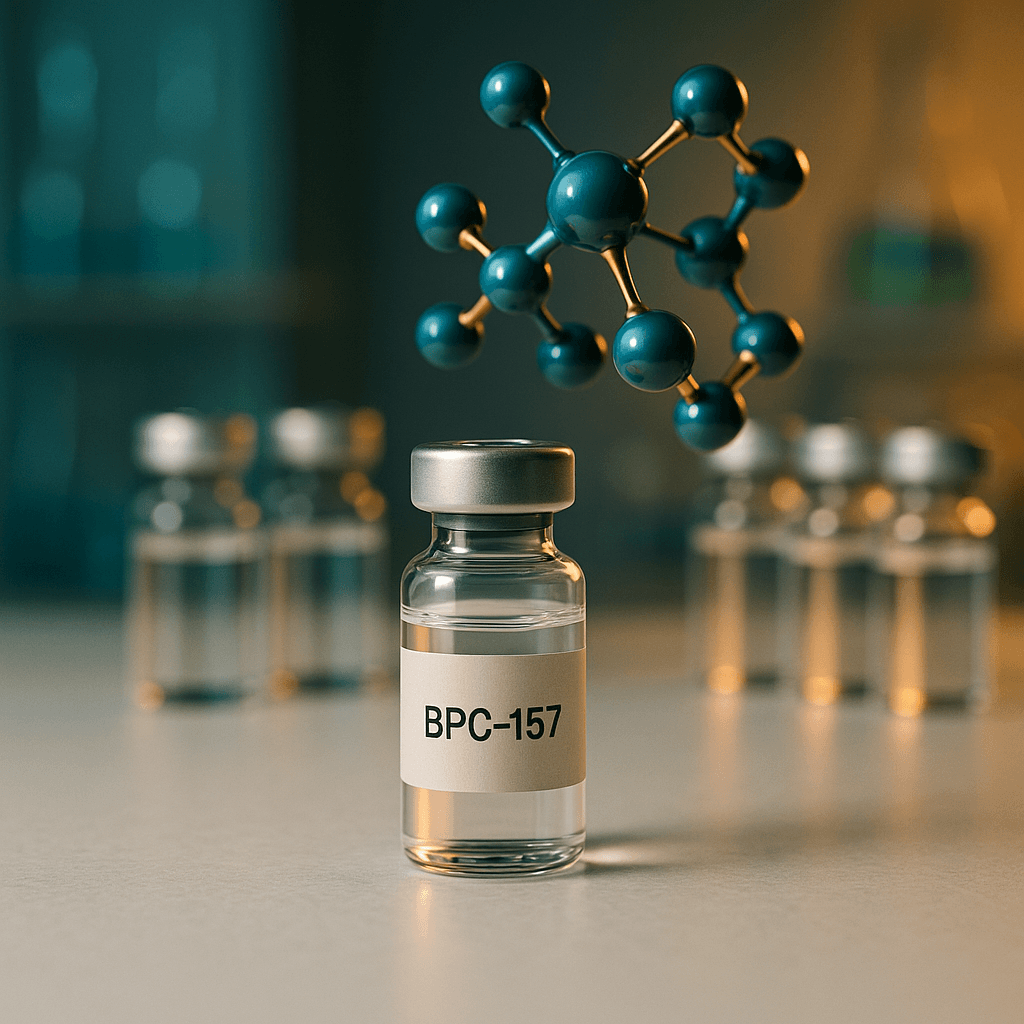
Your First Peptide Cycle: A Safe Start Guide for Beginners

Your First Peptide Cycle: A Beginner’s Guide to Safe Exploration

Peptide cycle beginners need safe, informed guidance for exploration. This guide covers essential principles and common peptides.

Understanding the Fundamentals of Safe Peptide Use

Before initiating any peptide regimen, thorough research and professional consultation are paramount. Grasping the science behind peptides and their potential applications is crucial. More importantly, consult with a qualified healthcare professional, such as a physician or endocrinologist experienced with peptides. During this consultation, discuss your health goals, medical history, and potential risks. Remember, peptides are not a substitute for conventional medical treatment and should be integrated into a holistic health plan under professional guidance.

Popular Peptides for Beginners

For those new to peptide therapy, starting with peptides known for their favorable safety profiles and well-documented applications is recommended. These accessible options offer a gentle introduction to the potential benefits of peptides.

BPC-157: The Healing Peptide

BPC-157 is a popular choice for beginners, often recognized for its potential in promoting healing and supporting gut health. While research is ongoing, anecdotal evidence suggests it aids in tissue repair and recovery. Always consult your healthcare provider for appropriate BPC-157 peptide dosage and administration methods tailored to your individual needs.

CJC-1295: Growth Hormone Stimulation

CJC-1295 is another peptide frequently recommended for beginners. It stimulates growth hormone release, contributing to muscle growth, enhanced recovery, and improved body composition. Beginners should understand the distinction between CJC-1295 with and without DAC (Drug Affinity Complex), as DAC influences the peptide’s half-life. Professional guidance is essential for determining the correct peptide dosage and cycle duration.

While these are common starting points, other peptides may also be suitable. Prioritize diligent research and consult your healthcare provider before integrating any new peptide into your regimen.

Mastering Peptide Administration Techniques

Safe and effective peptide administration is key to maximizing benefits and minimizing risks. Common routes for beginners include subcutaneous injections and nasal sprays.

Subcutaneous Injections Explained

Subcutaneous injections, injecting the peptide just under the skin, are a prevalent method. Key aspects of safe injection include proper site rotation to prevent tissue damage, maintaining strict needle hygiene, and learning correct reconstitution for lyophilized peptides. Ensuring sterile equipment and adhering to recommended storage conditions are paramount for maintaining peptide integrity and preventing infection.

Nasal Administration: A Needle-Free Option

Nasal administration, typically via a spray, offers a needle-free alternative. While convenient, its effectiveness can vary depending on the peptide and individual absorption. Understand the proper technique and specific considerations for nasal sprays if considering this route.

Oral administration is also an option for certain peptides, though bioavailability can be a significant factor. Always choose the administration method recommended by your healthcare provider or supported by reliable peptide information.

Recognizing and Managing Potential Side Effects

While peptides are generally well-tolerated, understanding and preparing for potential side effects is crucial for responsible use. Common side effects for beginner peptides might include mild injection site reactions, temporary fatigue, or minor digestive upset. Strategies for managing mild discomfort often involve adjusting dosage or administration timing, always in consultation with your doctor. Any severe or persistent adverse reactions warrant immediate medical attention. Accurate record-keeping of observed effects is beneficial for your healthcare provider.

Your Go-To Resource for Reliable Peptide Information

Navigating the vast amount of information on peptides can be challenging. It’s crucial to rely on trustworthy sources. For comprehensive and objective information on peptide research, mechanisms of action, and general protocols, Peptide Repo (peptiderepo.com) is an invaluable resource. This platform serves as a repository of scientific data and educational content, providing a solid foundation for understanding various peptides. It’s important to clarify that Peptide Repo is an informational resource and not a vendor. The knowledge gained from Peptide Repo should always complement, never replace, the personalized advice from your healthcare professional.

Beyond specialized resources, consulting peer-reviewed scientific literature offers deeper insights. When evaluating information found online, be wary of exaggerated claims or unverified testimonials. A critical approach is essential in the peptide space.

Conclusion: Your Informed Peptide Journey Starts Now

Embarking on your first peptide cycle demands a commitment to safety, education, and professional guidance. Key takeaways include conducting thorough research, consulting a knowledgeable healthcare professional, understanding specific peptides, mastering safe administration techniques, and being aware of potential side effects. Utilizing resources like Peptide Repo can significantly enhance your understanding. Your peptide journey is personal; approaching it with diligence and a focus on well-being will pave the way for a positive and informed experience. Take the crucial first step by speaking with your doctor and building your knowledge base before you begin.

Your First Steps into Peptide Therapy: A Safe Start Guide

Peptide Therapy: A Beginner’s Guide to Safety and Efficacy

The landscape of health and wellness is continuously evolving, with peptides emerging as a significant area of interest for individuals seeking to optimize their well-being, accelerate recovery, or explore innovative therapeutic options. As the popularity of peptide therapy grows, so does the critical need for a prudent and well-informed approach. While the potential benefits are substantial, diving into this realm without adequate knowledge can lead to unforeseen challenges. This comprehensive guide is designed to equip beginners with the essential knowledge for safely and responsibly exploring peptide therapy. We will delve into the core principles of a peptide therapy guide, how to safely start peptides, the paramount importance of peptide safety, understanding proper peptide dosing, and where to find reliable information, including valuable resources like peptide repo.

The Cornerstone of Peptide Therapy: Unwavering Research

Peptide therapy guide emphasizes safety and efficacy for beginners. Informed exploration supports optimal health optimization.

Navigating the Peptide Spectrum: Common Entry Points for Beginners

For those new to peptide therapy, beginning with well-researched and commonly utilized peptides can offer a more accessible entry point. However, it is vital to remember that even these require thorough individual assessment and understanding.

  • BPC-157: This peptide has garnered considerable attention for its remarkable potential to expedite healing and recovery processes throughout the body, particularly within the gastrointestinal tract and musculoskeletal system.
  • CJC-1295 (with or without DAC): Often employed for its capacity to stimulate growth hormone release, CJC-1295 may contribute to enhanced body composition, improved recovery, and better sleep quality.
  • Ipamorelin: Another potent growth hormone secretagogue, Ipamorelin is frequently selected for its favorable safety profile and its ability to stimulate natural growth hormone production with minimal disruption to other hormonal axes.

Even with these frequently discussed peptides, it is critical to delve into their specific research and comprehend potential individual responses. Avoid relying solely on generalized descriptions; investigate the scientific literature pertinent to your unique health objectives.

Sourcing with Integrity: The Criticality of Quality and Purity

The effectiveness and safety of any peptide therapy are directly contingent upon the purity and quality of the compounds used. The market can unfortunately be saturated with counterfeit or contaminated products, posing significant health risks. It is essential to source peptides exclusively from reputable suppliers who provide transparent documentation of third-party testing for purity and authenticity. For individuals seeking detailed information on the characteristics and research surrounding various peptides, resources like peptide repo (peptiderepo.com) can be invaluable. Please note that peptide repo is an informational resource and not a vendor; it does not offer information on specific suppliers but rather serves as a repository of scientific data.

Practical Application: Administration and Vigilant Monitoring

Understanding correct administration techniques is paramount for both efficacy and safety. Subcutaneous injection is a common method for many peptides, and strict adherence to sterile technique is non-negotiable to prevent infection. Peptide dosing is highly individualized and should ideally be determined by a healthcare professional, taking into account your specific requirements and the peptide in question. Diligent tracking of your response is equally crucial. Maintain a detailed journal or utilize an app to record the peptide used, dosage, timing, and any effects experienced, both positive and negative. This data is invaluable for optimizing your protocol and for productive discussions with your healthcare provider.

Prioritizing Safety: Recognizing and Managing Potential Side Effects

While peptides are often well-tolerated, the possibility of side effects exists. Common, mild side effects may include temporary redness or itching at the injection site, or mild fatigue. However, it is important to be aware of more serious, though less frequent, potential adverse effects. Should you experience any concerning symptoms, such as allergic reactions, significant discomfort, or any other adverse effects, it is imperative to seek immediate medical attention from your healthcare provider. Listening to your body is key; be prepared to adjust your protocol or discontinue use if necessary.

Your Informed Health Journey Starts Now

Embarking on peptide therapy is a significant decision that demands a steadfast commitment to safety, exhaustive research, and informed choices. We have outlined the essential pillars: the necessity of robust research, understanding common peptides, sourcing with integrity, mastering administration and dosing, and vigilant monitoring for side effects. To further empower your journey, leverage reputable resources like peptide repo (peptiderepo.com) for in-depth peptide information. Above all, prioritize consultation with a qualified healthcare professional before making any decisions regarding the initiation of peptide therapy. Taking informed control of your health journey responsibly is entirely within your reach.

BPC-157 Unveiled: A Deep Dive into Gut Health and Recovery Potential

BPC-157: Unlocking the Potential of a Peptide for Healing and Gut Health

A comprehensive guide to understanding the promising therapeutic applications of this unique peptide.

What is BPC-157? A Deep Dive into a Promising Peptide

Imagine a compound that could potentially accelerate healing throughout your body and offer significant relief from digestive distress. This intriguing possibility is at the forefront of discussions surrounding BPC-157, a synthetic peptide that has garnered considerable attention in the scientific community. Derived from a protein naturally found in stomach acid, its name, “Body Protective Compound,” aptly hints at its purported protective and regenerative properties. What sets BPC-157 apart is its remarkable stability, unique oral bioavailability for a peptide, and its demonstrated localized healing effects in preclinical studies.

While research is predominantly in the preclinical phase, the growing interest and early findings suggest a future where BPC-157 could play a significant role in therapeutic interventions. Understanding its mechanisms and potential applications is crucial for anyone interested in advanced health and recovery strategies. For reliable information on peptides like BPC-157, consider exploring resources like peptide repo, which offers in-depth scientific insights.

BPC-157 and Gut Health: A Stomach’s Best Friend?

The gastrointestinal tract is a complex system, and maintaining its health is paramount to overall well-being. BPC-157 has shown particularly promising results in research focused on gut health. Often referred to as a potent “stomach protectant compound,” studies suggest its capacity to aid in the healing of various digestive ailments. Preclinical investigations have explored its effects on conditions such as inflammatory bowel diseases (IBD), gastric ulcers, and general damage to the digestive tract lining.

BPC-157 gut healing potential offers relief from digestive distress. This peptide accelerates healing throughout your body.

Accelerating Injury Recovery: The Peptide Healing Power of BPC-157

Beyond its gastrointestinal benefits, BPC-157 is gaining recognition for its profound impact on injury recovery. The peptide healing potential extends to musculoskeletal tissues, including tendons, ligaments, muscles, and bones. Research indicates that BPC-157 can significantly accelerate the healing process and improve the structural integrity of damaged tissues.

Studies have documented faster healing times and enhanced tissue quality following injuries in animal models treated with BPC-157. This suggests potential applications for a wide spectrum of conditions, from acute sports injuries and post-surgical recovery to the management of chronic pain related to tissue degeneration. The proposed mechanisms involve promoting the expression of crucial growth factors, increasing blood flow to injured areas to deliver necessary nutrients and cellular components, and reducing localized inflammation, all of which contribute to a more efficient and robust healing cascade.

Administration and Dosage Considerations for BPC-157

The administration of BPC-157 in research settings has explored various routes, including oral ingestion and direct injection (subcutaneous or intramuscular). The choice of administration method often depends on the targeted area for therapeutic effect. For instance, oral administration might be favored for gut-related issues, while injections could be utilized for localized musculoskeletal injuries.

It is important to note that dosage ranges observed in preclinical studies are not to be interpreted as clinical recommendations. The effective and safe dosage for human use is a subject of ongoing investigation. Therefore, any consideration of using BPC-157 for therapeutic purposes must involve consultation with qualified healthcare professionals who can provide personalized guidance based on the latest scientific understanding and individual health needs.

Navigating the Peptide Research Landscape: Limitations and Future Directions for BPC-157

While the potential of BPC-157 is exciting, it is crucial to acknowledge the current limitations in its peptide research. The vast majority of existing studies have been conducted on animal models, and large-scale, rigorous human clinical trials are still needed to definitively establish its safety and efficacy in humans. This gap in human data means that widespread clinical application is not yet established.

Future research endeavors are essential to explore optimal dosing strategies, understand any potential long-term effects, and identify specific therapeutic indications where BPC-157 may offer the most significant benefits. The journey of BPC-157 from laboratory findings to potential clinical reality is an ongoing process that requires continued scientific investigation and validation. For those seeking to understand the broader landscape of peptide science, peptide repo serves as a valuable repository of scientific information.

Conclusion: The Promising Future of BPC-157 in Health and Recovery

In summary, BPC-157 presents a compelling profile with significant potential for enhancing gut health and accelerating injury recovery. Its unique properties as a protective and regenerative peptide have positioned it as a molecule of great interest in the scientific and health communities. However, it is imperative to approach this topic with an emphasis on evidence-based information and professional medical guidance.

For individuals keen on exploring the scientific underpinnings of BPC-157 and other peptides, peptide repo is an excellent resource for detailed information. Remember, peptide repo is dedicated to providing scientific data and does not offer vendor information.

Peptide Safety 101: A Responsible User’s Guide

Peptide Safety for Beginners: A Prudent Path to Exploration

Peptide safety beginners need strong foundations in responsible exploration. This guide outlines essential safety considerations.

The Promise and Prudence of Peptides

Peptides, the fascinating molecular messengers within our bodies, are gaining significant attention for their potential applications in enhancing physical performance, supporting metabolic health, and contributing to overall well-being. As interest in these compounds grows, so too must our commitment to a safety-first approach. For those new to the peptide landscape, understanding the fundamentals of responsible use is not just recommended—it’s essential for a secure and informed exploration.

Understanding Potential Peptide Side Effects: What Beginners Need to Know

Like any substance that influences biological processes, peptides can elicit side effects. These can vary based on individual biological responses, dosage, and peptide purity. While not everyone experiences adverse reactions, and their severity can differ significantly, it’s crucial to be aware of potential outcomes. Common side effects may include localized reactions at the injection site, temporary gastrointestinal discomfort, or feelings of fatigue. For peptide beginners, the most prudent strategy involves starting with conservative, low doses and diligently monitoring your body’s unique response. This careful observation is key to identifying any potential sensitivities early on.

The Cornerstone of Safety: Diligent Research and Reliable Information

Before considering the use of any peptide, thorough research is non-negotiable. A deep dive into a peptide’s mechanism of action, intended benefits, documented side effects, typical dosages, and known contraindications is paramount. Navigating the vast sea of information requires a discerning approach, differentiating between anecdotal evidence and robust scientific literature. Reputable resources are crucial for building a solid foundation of knowledge. For reliable, unbiased information on various peptides and their characteristics, exploring resources like peptide repo is highly recommended. Remember, peptide repo is an informational platform and not a vendor, making it an excellent place to learn without vendor bias.

Proper Handling and Storage: Preserving Peptide Potency and Purity

The integrity of a peptide directly impacts its efficacy and safety. Therefore, proper handling and storage are critical. General guidelines typically involve refrigeration, protection from light, and avoiding repeated freeze-thaw cycles, as these can degrade the peptide. When it comes to handling, strict adherence to sterile technique during reconstitution and administration is vital to prevent contamination. Improper storage or handling can lead to degradation, reduced effectiveness, and, more importantly, an increased risk of adverse events due to compromised purity or the introduction of contaminants.

When to Seek Professional Guidance: The Indispensable Role of Healthcare Providers

While self-directed exploration can be part of a wellness journey, it’s crucial to recognize the limitations of using peptides without professional oversight. Consulting a healthcare professional is indispensable before initiating any peptide regimen, particularly if you have pre-existing health conditions. You should also seek professional advice if you experience any concerning or persistent side effects, or to discuss potential interactions with your current medications. A qualified healthcare provider can offer personalized advice, ensure appropriate monitoring, and provide an informed perspective on whether peptide use is suitable for your individual health profile. This professional guidance is a cornerstone of responsible peptide use.

Conclusion: Empowering Responsible Peptide Exploration for Beginners

Embarking on a journey with peptides requires a steadfast commitment to safety. Prioritizing thorough research, understanding potential peptide side effects, adhering to proper handling and storage protocols, and seeking professional guidance are the pillars of responsible peptide use for beginners. By equipping yourself with this knowledge and utilizing resources like peptide repo, you can make informed decisions. Remember, the potential benefits of peptides are best realized when approached with prudence and a dedication to your well-being. Always consult with a qualified healthcare provider before integrating peptides into your health regimen.