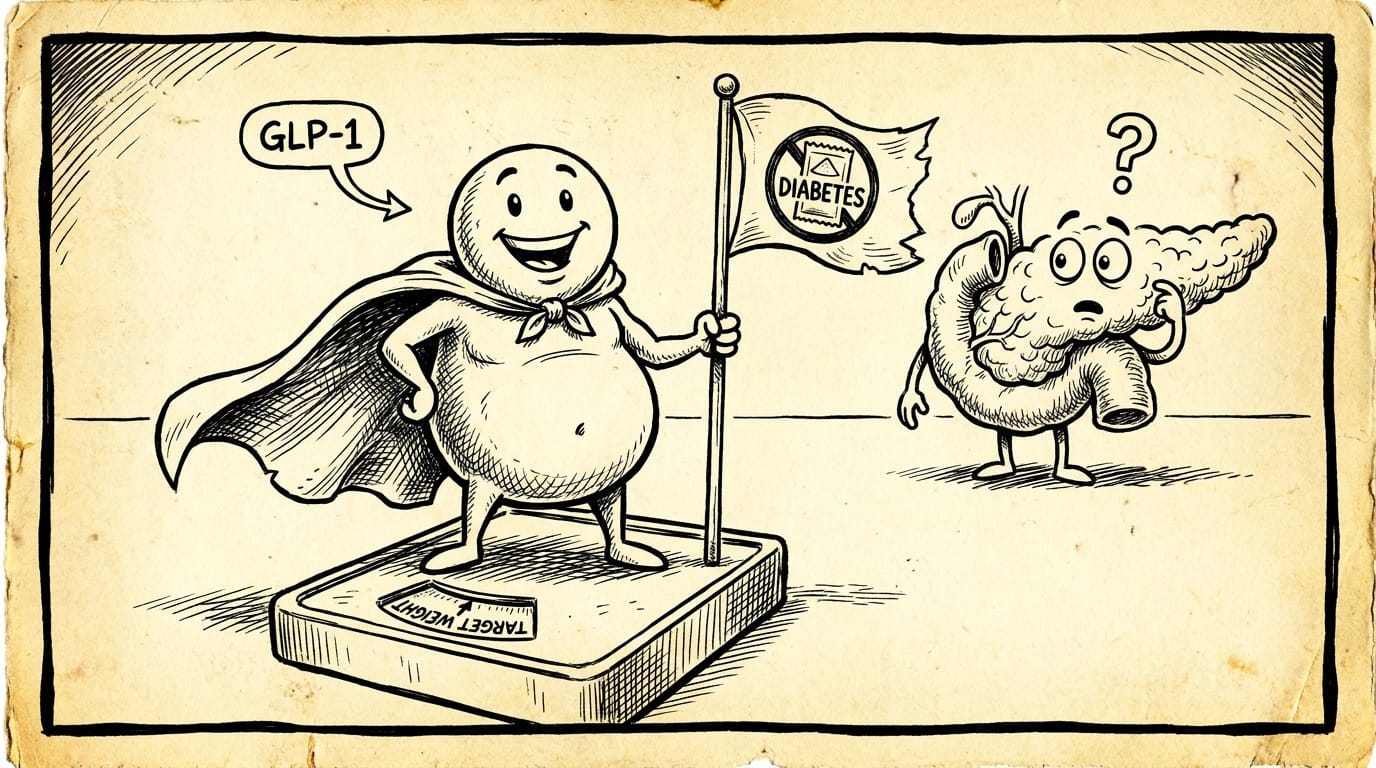
— “CAPTION: "Even peptides follow the speed limit.”
Navigating GLP-1 Receptor Agonists: A Guide to Safe Use and Information
GLP-1 receptor agonists offer benefits for weight management and diabetes. Safe navigation requires understanding dosing and community guidelines.
Understanding GLP-1 Receptor Agonists
GLP-1 receptor agonists are a class of medications that mimic the action of the naturally occurring incretin hormone, glucagon-like peptide-1 (GLP-1). This hormone plays a crucial role in regulating blood glucose levels by stimulating insulin secretion and inhibiting glucagon release. In addition to their glucose-lowering effects, GLP-1 receptor agonists can also slow gastric emptying and promote a feeling of fullness, which contributes to appetite reduction and subsequent weight loss.
These medications are FDA-approved for specific medical conditions, primarily type 2 diabetes and chronic weight management in individuals with obesity or overweight and at least one weight-related comorbidity. When used as prescribed by a healthcare professional, they can be a valuable tool in improving metabolic health and achieving weight loss goals.
Safe Dosing and Administration Practices
The effective and safe use of GLP-1 receptor agonists relies heavily on adhering to prescribed dosing schedules and administration guidelines. Typically, treatment begins with a low dose to minimize potential gastrointestinal side effects, such as nausea, and is gradually increased over several weeks or months as tolerated. This approach, often referred to as ‘start low, go slow,’ is crucial for patient comfort and adherence.
- Medical Supervision is Key: Always consult with a qualified healthcare provider before starting or adjusting any GLP-1 receptor agonist therapy. They will determine the appropriate medication, dosage, and titration schedule based on your individual health status and needs.
- Source from Reputable Pharmacies: Obtain your medication only from licensed and reputable pharmacies. Avoid unregulated sources, as the authenticity and safety of products from such channels cannot be guaranteed.
- Proper Storage and Injection Technique: Follow the specific storage instructions provided with your medication, which often involves refrigeration. Ensure you are trained in the correct subcutaneous injection technique and rotate injection sites (e.g., abdomen, thigh, upper arm) to prevent lipodystrophy.
Maintaining adequate hydration, consuming a balanced diet rich in protein, and incorporating regular physical activity, particularly resistance training, can complement the effects of GLP-1 receptor agonists and support overall health goals.
Finding Reliable Information on GLP-1 Receptor Agonists
The landscape of online health information can be challenging, with varying levels of accuracy and reliability. When seeking information about GLP-1 receptor agonists, it is essential to prioritize evidence-based resources.
Look for information from:
- Peer-reviewed scientific journals (e.g., accessible via PubMed).
- Reputable medical organizations such as the American Diabetes Association (ADA) or the Endocrine Society.
- Official drug information from the manufacturer or regulatory bodies like the FDA.
For in-depth research and scientific literature on peptides and related compounds, resources like peptiderepo.com can be valuable for exploring scientific studies and understanding the research landscape. Always cross-reference information and discuss any findings or concerns with your healthcare provider.
Monitoring for Side Effects
Like all medications, GLP-1 receptor agonists can cause side effects. The most common ones are gastrointestinal, including nausea, vomiting, diarrhea, constipation, and abdominal pain. These often occur when starting the medication or increasing the dose and tend to improve over time.
Less common but more serious side effects can include pancreatitis, gallbladder problems, kidney issues, and certain types of thyroid tumors (observed in animal studies, relevance in humans not fully established). It is crucial to be aware of potential symptoms and seek medical attention promptly if you experience severe or persistent side effects.
- Self-Monitoring: Keep track of your symptoms, weight, and any relevant health metrics (like blood glucose if you have diabetes).
- Regular Medical Check-ups: Attend all scheduled appointments with your healthcare provider for monitoring and necessary lab work (e.g., A1C, lipid panel).
Managing side effects can sometimes involve dietary adjustments, such as eating smaller, more frequent meals, and staying well-hydrated. Discuss any side effects with your doctor, as they can offer strategies for management or adjust your treatment plan.
Conclusion
GLP-1 receptor agonists are powerful medications that, when used appropriately under medical guidance, can significantly benefit individuals with type 2 diabetes and those seeking chronic weight management. Prioritizing safety through correct dosing, administration, and sourcing, while relying on credible information sources, is paramount. Always engage in open communication with your healthcare provider to ensure your treatment plan is safe, effective, and tailored to your health needs.
For further exploration of peptide research, consider visiting peptiderepo.com. Remember, informed decisions about your health are best made in consultation with medical professionals.