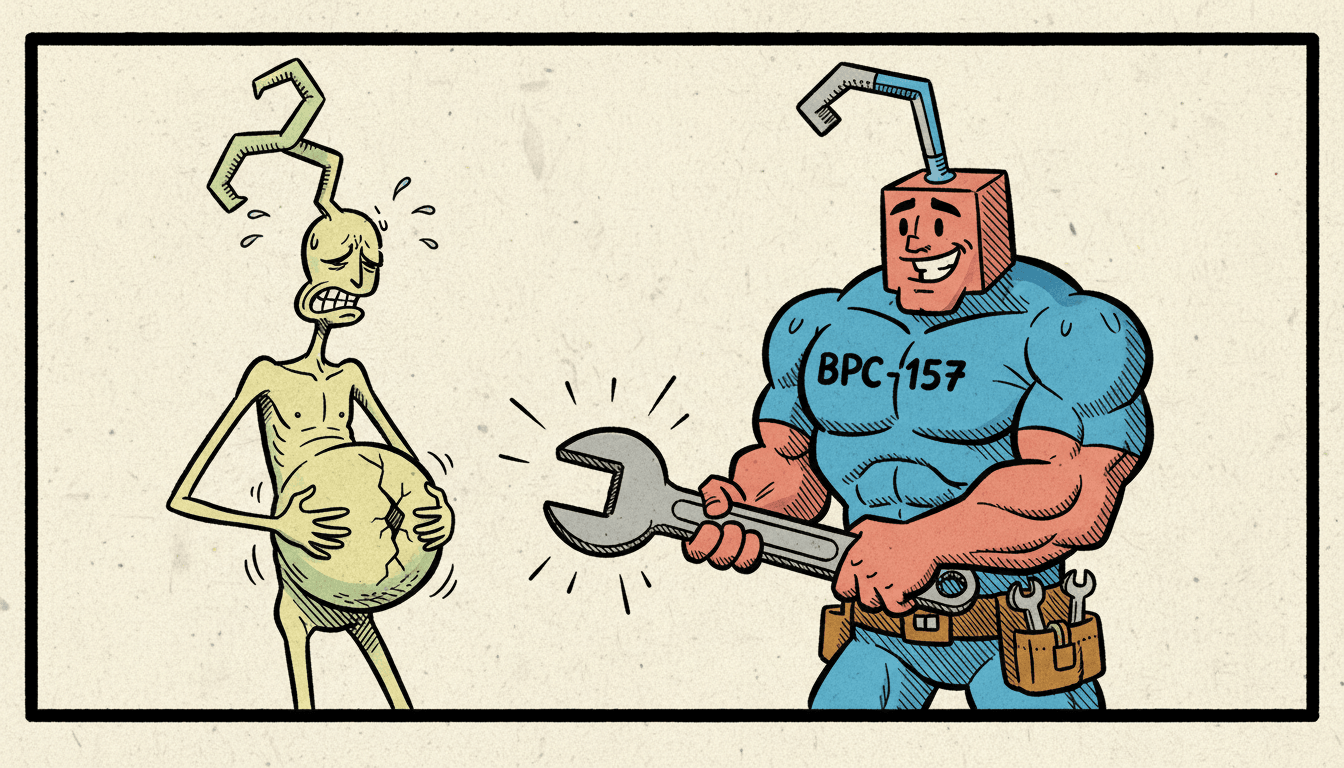
— “GLP-1: Weight off! Gut on… stack for synergy!”
Ever started a GLP-1 agonist like semaglutide for weight loss or metabolic health, only to hit a wall with nagging GI slowdowns or muscle concerns? You’re not alone—many biohackers face these hurdles on the path to longevity. This guide explores the GLP-1 BPC-157 stack, where preliminary research and user reports suggest peptide GLP-1 synergy could support gut repair and recovery, potentially easing side effects while amplifying anti-aging benefits.
This content is for educational purposes. Consult a healthcare provider before making changes to diet, supplementation, or medical treatment.
Understanding the GLP-1 BPC-157 Stack Basics
The GLP-1 BPC-157 stack combines semaglutide with gut-healing peptides. Preliminary research suggests peptide synergy addresses GI slowdowns.
In biohacking circles, stacking these explores BPC-157 with semaglutide safety. GLP-1 weekly injections pair with BPC-157 taken daily, often subQ or oral, per anecdotal reports. Availability varies by region and regulatory framework; peptides like BPC-157 remain research compounds in many places.
Potential Synergies: Gut Repair and Beyond
Countering GLP-1 GI Side Effects
GLP-1 drugs can slow gastric emptying, leading to nausea. Rat studies indicate BPC-157 may protect gut mucosa and speed healing from NSAID damage or ulcers (in vivo rodent models). User reports in forums suggest it could mitigate these delays, though human trials are lacking.
One small observational analysis of biohackers noted faster tolerance when combined. For deeper strategies, check our guide on overcoming GLP-1 nausea.
Addressing Muscle Risks and Recovery Boosts
Weight loss on GLP-1 may include lean mass loss. Preliminary mouse models show BPC-157 promoting angiogenesis and muscle repair post-injury. Anecdotal biohacking logs report enhanced recovery and preserved strength in stacks.
Nutrition plays a key role too—pair with strategies from preventing muscle loss on GLP-1.
Safety, Monitoring, and Best Practices
No direct interaction studies exist between GLP-1 and BPC-157, but both target gut pathways without known conflicts in reports. Cycles often run 4-12 weeks, followed by breaks, per community logs—always under medical supervision.
Monitor via bloodwork: liver enzymes (ALT/AST), GI markers like CRP, and kidney function. Watch for unusual symptoms. Proper reconstitution is crucial; see Peptide Prep 101 for handling tips.
Limitations abound: most BPC data is preclinical (in vitro, animal), with small human sample sizes in anecdotes. Effect sizes vary; no large RCTs confirm synergy.
- Key Takeaways:
- BPC-157 may counter GLP-1 GI and muscle issues based on animal data and reports.
- Prioritize bloodwork and professional oversight.
- Use conditional approaches; evidence is preliminary.
- Focus on quality sourcing in regulated environments.
Stacking GLP-1 with BPC-157 holds intriguing promise for GLP-1 BPC-157 stack benefits in gut health and longevity biohacking, blending metabolic control with repair potential. While evidence suggests synergy, it’s early-stage—start slow, track markers, and consult experts. Ready to dive deeper? Explore our beginner’s GLP-1 guide or share your experiences in the comments.