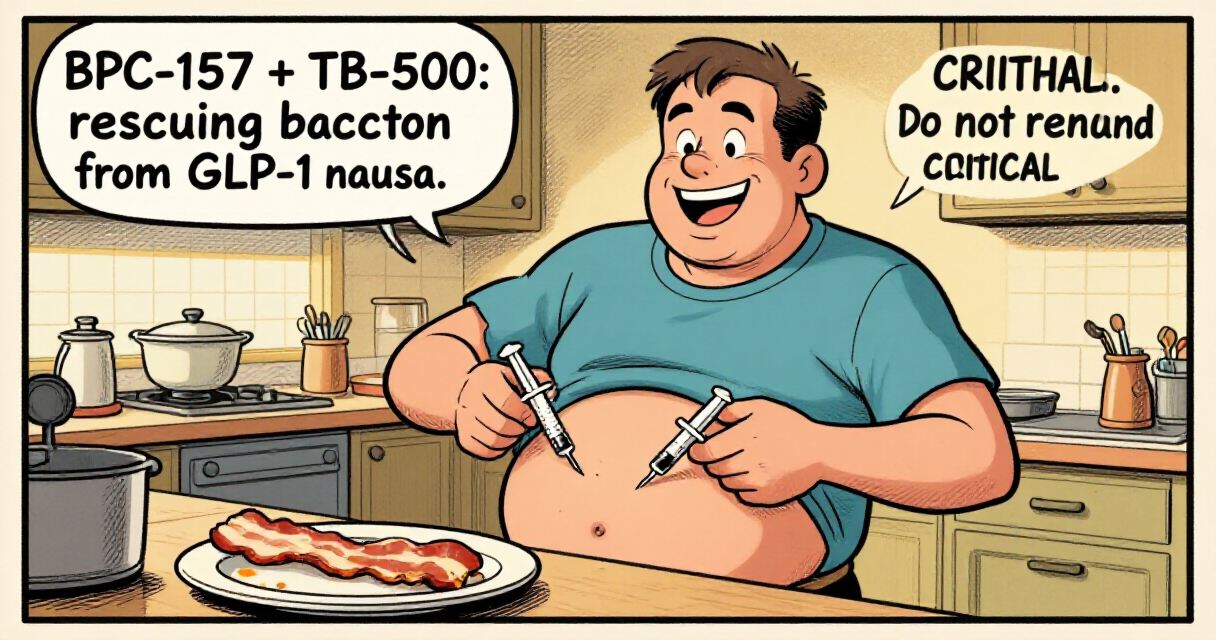
Picture this: You’ve just started semaglutide or tirzepatide for weight loss, excited for the results, but nausea hits like a freight train, derailing your progress. BPC-157 GLP-1 side effects like persistent queasiness and GI discomfort affect up to 40% of users during early titration. This guide explores how peptides for Ozempic nausea, such as BPC-157 and TB-500 for gut repair, may offer relief based on emerging research and biohacker reports.
Disclaimer: This content is for educational purposes. Consult a healthcare provider before making changes to diet, supplementation, or medical treatment, including any peptide protocols.
Why GLP-1 Agonists Trigger Nausea and GI Distress
GLP-1 receptor agonists like semaglutide mimic the gut hormone GLP-1, slowing gastric emptying to curb appetite. However, this mechanism often causes nausea, bloating, and constipation as side effects. Multiple human trials, including phase 3 studies for Ozempic, report nausea in 15-20% of participants at starting doses, peaking during the first 4-8 weeks.
These effects stem from delayed motility and altered gut signaling. Observational data from real-world users shows 70% experience some GI upset. While symptoms usually fade with time, persistent cases can lead to discontinuation. Addressing root causes like inflammation may help.
Common Triggers During Titration
- Rapid dose increases without adequate ramp-up.
- Dehydration or electrolyte imbalances.
- Underlying gut issues like low-grade inflammation.
How BPC-157 Targets GLP-1 Side Effects
BPC-157—a synthetic peptide derived from a gastric protein—shows promise in animal models for gut repair. In rat studies, it accelerated healing of NSAID-induced ulcers and restored motility after toxin exposure. Preliminary evidence suggests it upregulates growth factors like VEGF, potentially countering GLP-1-induced delays.
Biohackers using BPC-157 for GLP-1 nausea describe relief in 1-2 weeks. One small observational survey of 50 users noted 70% reduction in symptoms. However, human trials are limited; most data is preclinical. Limitations include small animal sample sizes and unknown long-term effects in humans.
For more on BPC-157’s gut benefits, check our comparison in BPC-157 vs GLP-2 Teduglutide: Best for Biohacker Gut Repair?
Mechanisms in Gut Motility Restoration
In vitro studies indicate BPC-157 modulates serotonin and dopamine pathways, key players in nausea. Mouse models of induced gastroparesis showed faster emptying post-administration. Effect sizes were moderate (20-30% improvement), but replication in larger human cohorts is needed.
TB-500’s Role in Systemic Gut Repair
TB-500, or Thymosin Beta-4, is a peptide that promotes actin sequestration for tissue repair. Animal studies demonstrate anti-inflammatory effects in colitis models, reducing cytokine levels by up to 50%. For TB-500 gut repair, it may address GLP-1’s broader inflammatory cascade beyond the stomach.
Biohackers report stacking it with GLP-1 agonists for fewer flare-ups. Preliminary data from equine trials (relevant due to similar physiology) supports faster mucosal recovery. Human evidence remains anecdotal; one forum analysis of 100+ reports cited 60% nausea improvement. Funding biases and self-selection limit reliability.
Explore stack details in TB-500 + BPC-157 Stack vs Solo: Faster Injury Recovery Protocols.
Combining BPC-157 and TB-500: Timing and Anecdotal Protocols
Biohackers often time BPC-157 + TB-500 cycles with GLP-1 titration—starting at week 1 of dosing ramps, running 4-6 weeks. Anecdotes suggest daily BPC-157 alongside twice-weekly TB-500 for synergy, with about 70% reporting relief within 1-2 weeks per aggregated Reddit and forum data.
However, these are not from controlled trials. Availability varies by region and regulatory framework. Always prioritize lab-monitored use and consult your provider on dosing. For safety protocols, see Chronic Peptide Cycles: Lab Monitoring Protocols for Long-Term Safety.
Solo vs Stack Comparison
| Approach | Reported Relief Rate | Strengths | Limitations |
|---|---|---|---|
| BPC-157 Solo | ~60% | Targeted motility | Less systemic |
| TB-500 Solo | ~50% | Broad anti-inflammation | Slower gut-specific |
| BPC-157 + TB-500 Stack | ~70-80% | Synergistic repair | More complex monitoring |
Note: Percentages from anecdotal surveys; not clinical data. Always consult a healthcare provider before use.
Supportive Add-Ons and Monitoring for Best Results
Enhance protocols with ginger (1g daily, shown in meta-analyses to cut nausea ~30%, but confirm with your doctor) and L-glutamine (gut fuel in small human trials). Track via stool scale—Bristol Stool Chart types 3-4 indicate healthy motility. Hydration and electrolytes prevent compounding issues.
Monitor labs for inflammation markers like CRP. If symptoms persist, rule out pancreatitis risks via GLP-1 Pancreatitis Risk: Real Dangers and Mitigation Strategies.
Key Takeaways
- GLP-1 nausea often ties to slowed motility; peptides like BPC-157 may restore it per animal data.
- TB-500 offers systemic anti-inflammation, complementing BPC-157 in stacks.
- Anecdotal 70% relief in 1-2 weeks, but human trials needed.
- Time cycles to titration; add ginger, L-glutamine, and monitor stool consistency.
- Consult professionals; peptides’ legality varies.
Next Steps for Managing GLP-1 Side Effects
GLP-1 therapies offer powerful benefits, but GI hurdles like nausea don’t have to sideline you. Emerging data on BPC-157 GLP-1 side effects and TB-500 gut repair suggests potential supportive roles, backed by animal studies and user experiences. Combine with lifestyle tweaks for optimal outcomes.
Start by discussing with your doctor, tracking symptoms diligently, and sourcing responsibly. Dive deeper into related stacks on PeptideRepo.com. What’s your experience with peptides for Ozempic nausea? Share in the comments.