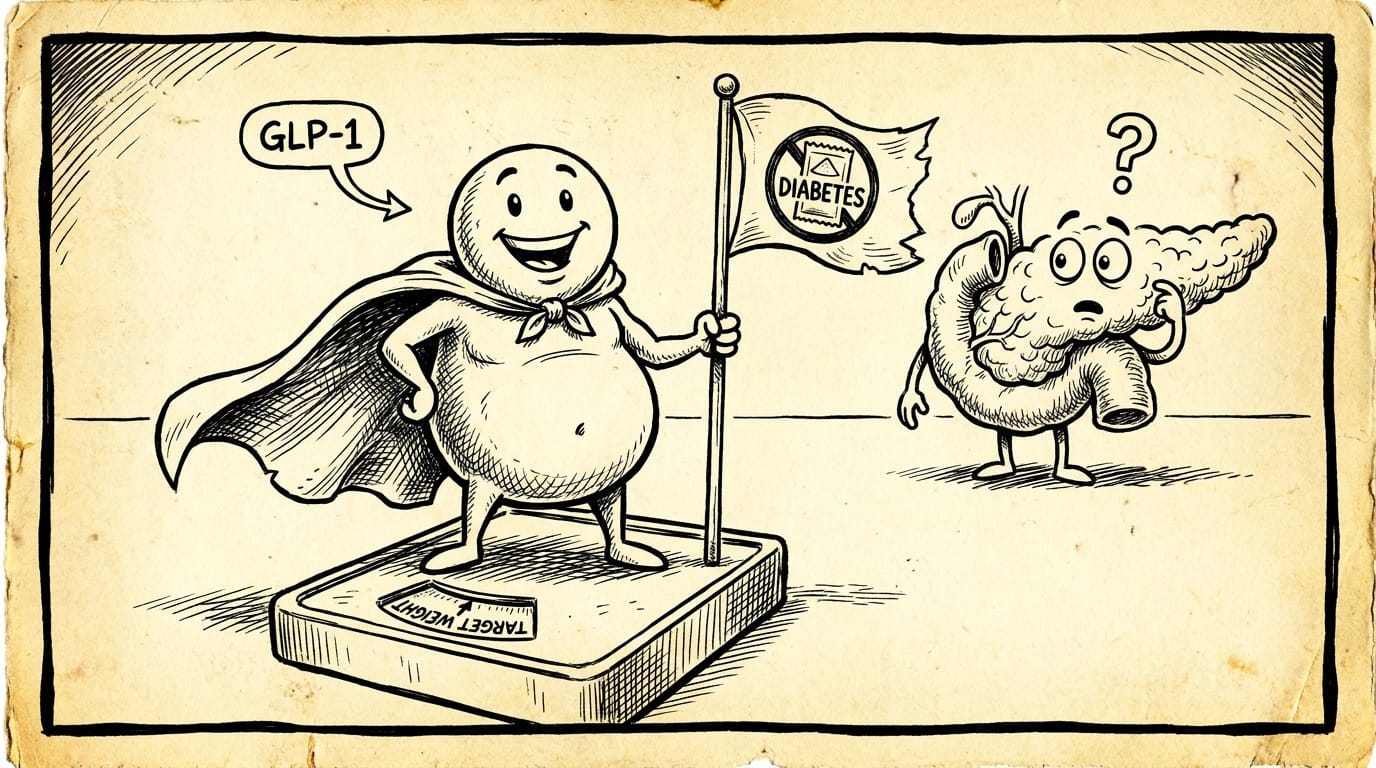
— “CAPTION: "Saving lives, one receptor at a time.”
Understanding How GLP-1 Receptor Agonists Support Weight Loss and Diabetes Management
GLP-1 weight loss and diabetes control mechanisms reveal remarkable metabolic benefits. Originally developed for type 2 diabetes, these peptides now support longevity.
How Do GLP-1 Receptor Agonists Work?
- What is GLP-1? Glucagon-like peptide-1 (GLP-1) is a naturally occurring hormone produced in the gut that enhances insulin secretion in response to food intake, helping maintain glucose balance.
- Mechanism of action Synthetic GLP-1 receptor agonists mimic endogenous GLP-1 by binding to receptors in the pancreas and brain. This stimulates insulin release when blood glucose is high and modulates appetite signals in the central nervous system.
- Impact on glucose regulation These peptides not only promote insulin secretion but also decrease glucagon levels and slow gastric emptying, collectively contributing to improved blood sugar control.
The Effects of GLP-1 Receptor Agonists on Appetite and Insulin Secretion
- Appetite suppression Activation of GLP-1 receptors in the hypothalamus reduces hunger, increases satiety, and supports adherence to calorie-controlled diets—making GLP-1-based therapies a compelling option for obesity management.
- Enhanced insulin response These peptides stimulate pancreatic beta cells to release insulin efficiently, but only when blood glucose levels are elevated. This targeted action minimizes the risk of hypoglycemia, a common concern with some diabetes medications.
- Benefits for weight management The combined effects of appetite suppression and improved glycemic control position GLP-1 receptor agonists as powerful tools for both weight loss and diabetes management.
Safety Considerations and Potential Side Effects
- Common side effects Nausea, vomiting, diarrhea, and injection site reactions are frequently reported, especially during initial treatment phases.
- Serious risks Rare but significant concerns include pancreatitis, thyroid tumors, and hypoglycemia—particularly when used alongside other medications.
- Safety tips Regular medical monitoring, starting with low doses, and consulting healthcare providers before therapy initiation are vital to minimize risks and optimize benefits.
Differences Among Various GLP-1 Drugs
- Popular medications Notable GLP-1 receptor agonists include Semaglutide (Ozempic, Wegovy), Liraglutide (Victoza), Dulaglutide (Trulicity), among others.
- Pharmacokinetics and administration These drugs vary in half-life, dosing frequency, and delivery methods, affecting patient compliance and convenience.
- Effectiveness and side effect profiles Some formulations may offer superior weight loss or fewer side effects based on individual responses, emphasizing the importance of personalized treatment planning.
- Choosing the right medication Factors such as overall health, tolerability, and specific health goals should guide the selection of the most suitable GLP-1 receptor agonist.
Unlocking the Potential of GLP-1 Receptor Agonists for Optimal Health
GLP-1 receptor agonists are at the forefront of innovative therapies addressing obesity and type 2 diabetes. Their dual action—regulating blood sugar and suppressing appetite—makes them a cornerstone in modern metabolic health strategies. As research advances, informed decisions about their use can significantly enhance health outcomes. For those seeking detailed peptide information, reputable resources such as peptiderepo.com provide valuable insights into the science behind these therapeutic peptides.
Take proactive steps toward better health by consulting healthcare professionals to determine if GLP-1 receptor agonists are appropriate for your personalized treatment plan. Harness the power of these innovative peptides and unlock your potential for improved metabolic health today.