Regulatory Changes and Their Impact on Peptide Research and Access

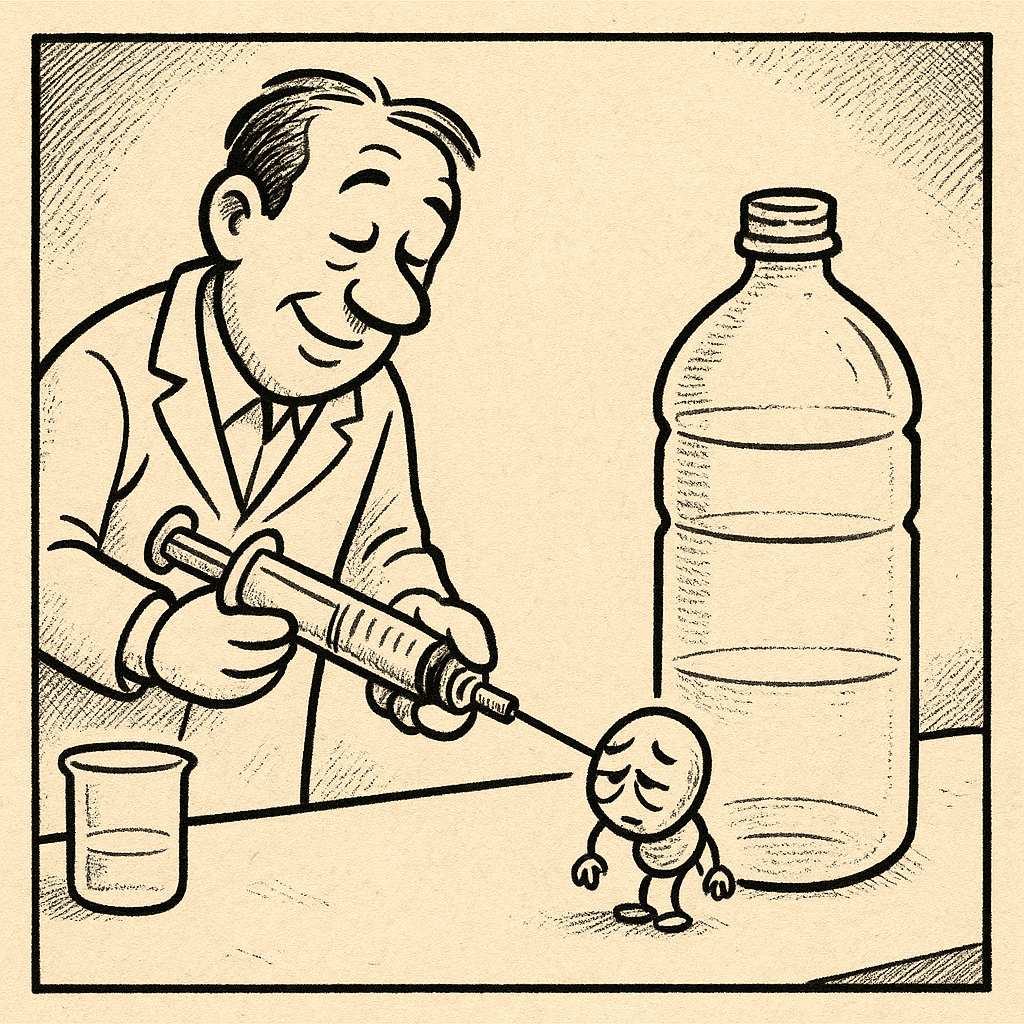
— “CAPTION: "Guess I’ll have to get a permit just to get started.”

Regulatory Changes and Their Impact on Peptide Research and Access

Introduction: Navigating the Evolving Landscape of Peptide Regulation

Peptide research updates reveal rapid growth in therapeutic applications. Regulatory changes now shape peptide research accessibility and innovation.

This article provides a comprehensive overview of the latest policy shifts affecting peptide classification and approval processes, with a focus on GLP-1 drug regulations. Understanding these changes is vital for fostering innovation, maintaining compliance, and ensuring continued access to vital peptide therapies.

Recent Policy Updates in Peptide Regulation

Recent governmental and international policy changes have significantly influenced how peptides are classified and approved. These updates aim to enhance safety standards but can also introduce new challenges for research and therapeutic development.

  • Many regions have revised peptide classification criteria, often categorizing certain peptides as controlled substances or imposing stricter oversight on manufacturing and distribution.
  • Specific updates concerning GLP-1 receptor agonists include tighter approval pathways and increased post-market surveillance, reflecting their widespread use in managing type 2 diabetes and obesity.
  • New manufacturing standards emphasize rigorous quality control, proper labeling, and traceability, impacting supply chains and research sourcing.
  • Some jurisdictions have established or amended oversight agencies to better regulate peptide synthesis, distribution, and clinical use, aiming to prevent misuse and protect patient safety.

Implications for the Peptide Research Community

For researchers engaged in peptide development, these regulatory updates present both challenges and opportunities. While increased hurdles such as longer approval timelines and stricter compliance can slow innovation, they also elevate research standards and safety protocols.

  • Approval processes may become more lengthy, potentially delaying projects and impacting funding cycles.
  • Funding agencies are increasingly prioritizing projects that demonstrate compliance with evolving standards, influencing research directions.
  • Stricter regulations necessitate meticulous documentation and adherence to new clinical trial protocols.
  • To stay compliant and informed, researchers are encouraged to consult reputable sources like peptiderepo.com, a valuable resource for peptide research news and updates.

Legal Considerations for Peptide Use and Distribution

Alongside regulatory changes, legal restrictions on peptide synthesis, possession, and use are tightening globally. These measures aim to prevent misuse and off-label applications but can complicate legitimate research and clinical practice.

  • Many jurisdictions restrict peptides outside approved indications, making unauthorized synthesis or distribution potentially illegal.
  • Unregulated or off-label peptide use poses safety risks and may lead to legal liabilities for clinicians and researchers.
  • Understanding legal frameworks—including licensing, documentation, and reporting—is crucial for healthcare providers and scientists.
  • Non-compliance can result in penalties such as fines, suspension of research activities, or criminal charges, underscoring the importance of diligent legal adherence.

Future Outlook for Peptide Regulation

The future of peptide regulation suggests a careful balance between safety and innovation. Anticipated policies include streamlined approval pathways for research peptides and therapies, reducing bottlenecks without compromising safety standards.

  • International harmonization efforts aim to standardize peptide classification and approval criteria globally.
  • Emerging regulatory frameworks may incorporate adaptive pathways to accelerate access to promising peptides, especially those with significant therapeutic potential.
  • Staying informed about global regulatory trends is facilitated by trusted sources like peptiderepo.com.
  • These developments could enhance accessibility, reduce costs, and accelerate scientific progress within the peptide community.

Conclusion: Staying Ahead in a Changing Regulatory Environment

In the rapidly advancing field of peptide science, regulatory updates are pivotal in shaping research, clinical applications, and patient access. Monitoring these changes and understanding their implications enable stakeholders to adapt compliance strategies proactively and responsibly.

For those involved in peptide research and development, engaging with trusted sources like peptiderepo.com for the latest news is highly recommended. Staying informed empowers the scientific community to continue innovating while aligning with evolving safety and legal standards.

In this dynamic regulatory landscape, vigilance, adaptability, and responsible scientific conduct are essential to advancing peptide science and improving patient outcomes. Embrace change, stay informed, and continue pushing the boundaries of peptide research responsibly.


A Practical Guide to Peptide Dosing for Safety and Efficacy

— “CAPTION: "Finding the sweet spot—before the molecule takes over.”

A Practical Guide to Peptide Dosing for Safety and Efficacy

Peptide dosing safety requires finding the optimal balance for efficacy. GLP-1, GLP-2, and GLP-3 demand precise dosing protocols.

1. Why Proper Peptide Dosing Is Crucial for Safety and Effectiveness

  • Maximizes therapeutic benefits while minimizing side effects
  • Avoids overdose or underdose, safeguarding your health
  • Supports personalized treatment based on individual responses and goals

2. How to Determine the Right Peptide Dose

  • Start Low and Titrate: Begin with conservative doses and gradually increase based on your response and tolerance. This approach minimizes adverse reactions and allows your body to adapt safely.
  • Consult Reliable Resources: Use trusted sources such as peptide repo or peer-reviewed scientific literature to identify appropriate dosing ranges for peptides like GLP-1, GLP-2, or GLP-3. For detailed peptide information, visit peptiderepo.com.
  • Consider Personal Factors: Age, weight, health status, and previous peptide experience influence optimal dosing. Personalization is key to safety and efficacy.
  • Follow Evidence-Based Guidelines: Adhere to established dosing recommendations to stay within safe and effective limits.

3. Optimizing Timing and Frequency for Peptide Injections

  • Align with Biological Rhythms: Schedule injections to coincide with your body’s natural hormonal cycles or metabolic peaks to enhance effectiveness.
  • Maintain Consistent Timing: Regular injection schedules support stable blood levels, reducing fluctuations that can impact results.
  • Adjust Frequency as Needed: Different peptides require varying dosing frequencies—some daily, others less frequent. Follow specific guidelines for each peptide to optimize outcomes.
  • Respond to Your Body: Monitor how your body responds and modify timing if side effects occur or desired effects are not achieved.

4. Monitoring and Adjusting Peptide Doses Safely

  • Track Symptoms and Biomarkers: Keep detailed records of side effects, energy levels, appetite changes, and other relevant metrics to assess your response.
  • Watch for Adverse Reactions: Symptoms like nausea, dizziness, or allergic responses should prompt dose reevaluation and consultation with a healthcare professional.
  • Schedule Regular Medical Check-Ups: Routine blood tests and medical assessments help monitor safety and detect potential issues early.
  • Be Flexible with Dosing: Adjust doses up or down based on your body’s feedback and professional guidance, ensuring a balance between safety and efficacy.

5. Reliable Resources for Safe Peptide Use

  • Peptide Repo: For research-backed dosing information, consult reputable sources like peptide repo. While not a vendor, it offers valuable insights into peptide safety and best practices. For comprehensive peptide data, visit peptiderepo.com.
  • Peer-Reviewed Literature: Stay informed with current scientific studies to understand the safety profiles and efficacy of various peptides.
  • Community and Expert Advice: Engage with knowledgeable practitioners and experienced users for practical insights and personalized guidance.

Conclusion: Prioritize Safety for a Successful Peptide Journey

Optimizing peptide dosing is essential to achieving your health, longevity, and performance goals safely. By understanding how to determine appropriate doses, schedule injections effectively, and monitor your body’s response, you can maximize benefits while minimizing risks. Remember, safe peptide use involves ongoing education, professional guidance, and reliance on reputable resources like peptide repo. For comprehensive, research-based peptide information, visit peptiderepo.com. Embark on your peptide journey with confidence, always prioritizing safety and informed decision-making.

The Peptide Quality Lottery: Why Consistency is King (and How to Find It)

— “Well, *some* of us are trying our best.”

The Peptide Quality Lottery: Understanding Inconsistent Efficacy and How to Navigate It

Peptide quality issues cause inconsistent results in biohacking experiments. Understanding manufacturing variations helps you find reliable sources.

The Frustrating Reality of Inconsistent Peptide Efficacy

Have you ever started a new vial of a peptide you’ve used before, only to find the results are dramatically different? Perhaps the expected energy boost is gone, recovery is slower, or the anticipated benefits are simply absent. This common and frustrating scenario highlights a significant challenge in the world of peptide therapeutics: the “peptide quality lottery.” The unpredictable nature of peptide efficacy can leave users feeling confused and disheartened. This article aims to shed light on why this inconsistency exists and, more importantly, how you can approach this complex landscape to increase your likelihood of obtaining effective and reliable peptide products.

What Defines Peptide Quality: Purity and Potency

At the core of consistent peptide therapy are two critical factors: purity and potency. Understanding these terms is fundamental to assessing quality:

  • Purity: This refers to the percentage of the desired peptide molecule in the sample, free from contaminants, residual solvents, or byproducts of the synthesis process. Higher purity means less inactive material and a more concentrated active ingredient.
  • Potency: This relates to the biological activity or strength of the peptide. A highly pure peptide might still have low potency if its molecular structure is compromised or if it’s not in its most active form.

Both purity and potency are crucial. A peptide with low purity may contain inactive compounds or even harmful substances, while low potency means the active ingredient isn’t strong enough to elicit the desired physiological response. High purity and potency are directly correlated with reliable and predictable peptide efficacy.

Why Does Peptide Quality Vary? Unraveling the Causes

Several factors contribute to the prevalence of peptide quality issues and the resulting inconsistent peptides users experience:

Manufacturing Process Variations

  • Synthesis Methods: Different manufacturing facilities employ varied synthesis methods, equipment, and quality control (QC) protocols. A lack of stringent QC can lead to batches with varying levels of purity and the presence of unwanted compounds.
  • Substandard Raw Materials: The quality of the amino acids and other precursors used in peptide synthesis directly impacts the final product. Using lower-grade materials can compromise the integrity and purity of the resulting peptide.

Storage and Handling Errors

  • Temperature Sensitivity: Peptides are often delicate molecules that can degrade if not stored and transported correctly. Exposure to improper temperatures (too warm or even freezing, depending on the peptide) can significantly reduce their potency and shelf-life.
  • Environmental Degradation: Light and air can also degrade peptides. Improper packaging or prolonged exposure during transit or storage can lead to a loss of efficacy.
  • Reconstitution Mistakes: Incorrect reconstitution techniques, such as using the wrong diluent (e.g., bacteriostatic water vs. sterile water) or improper mixing, can also impact the peptide’s stability and bioavailability.

Supply Chain and Testing Limitations

  • Inadequate Testing: While many reputable vendors provide third-party testing, the scope and accuracy of these tests can vary. Some may not adequately screen for all potential impurities or degradation products.
  • Intermediary Risks: The practice of reselling and repackaging by intermediaries can introduce further risks, as the storage and handling conditions during these transfers are often unknown and uncontrolled.

The Impact of Low-Quality Peptides

The consequences of using low-quality peptides extend beyond mere inconvenience and can significantly impact your health and investment:

Health Outcomes and Expectations

  • Reduced or Absent Results: The most common outcome is simply not experiencing the expected benefits, leading to wasted financial resources and significant frustration.
  • Adverse Side Effects: Impurities or degraded peptides can sometimes lead to unexpected and undesirable side effects, posing a direct risk to your health and well-being.
  • Financial and Time Loss: Investing in ineffective products means both your money and your time dedicated to a health regimen are lost, hindering progress towards your goals.

Trust and Discouragement

  • Doubt in Peptide Therapy: Experiencing peptide efficacy problems can lead users to doubt the legitimacy and effectiveness of peptide therapy altogether, potentially causing them to miss out on beneficial treatments.
  • Abandonment of Regimens: The inconsistency and lack of results can be so disheartening that individuals may abandon potentially beneficial therapeutic avenues, even when using high-quality products might yield different results.

Strategies for Navigating Peptide Quality

Mitigating the risks associated with inconsistent peptides requires a proactive and informed approach. By implementing these strategies, you can significantly improve your chances of obtaining high-quality, effective peptides:

Prioritize Thorough Research

  • Conduct in-depth research on potential vendors and the specific peptides you are considering. Understanding general peptide manufacturing processes and quality considerations is a crucial first step. For comprehensive peptide information on these topics, users can consult educational resources like peptide repo. It is important to note that peptide repo serves as an educational platform and does not endorse specific vendors or provide information on vendors.

Demand Transparency: Certificates of Analysis (CoA)

  • Prioritize vendors who provide easily accessible, independent, third-party Certificates of Analysis (CoA) for their products. Carefully review these reports, paying close attention to purity percentages, the absence of specified contaminants, and the testing methodology used.

Evaluate Vendor Reputation and Reviews

  • Seek out vendors with a proven track record of providing consistent quality and excellent customer service. While user reviews can be helpful, approach them critically. Look for consistent feedback regarding product quality, reliability, and transparency from multiple sources.

Adhere to Proper Storage and Handling

  • Educate yourself on the specific storage, reconstitution, and administration guidelines for each peptide you use. Peptides are sensitive; adhering strictly to recommended protocols (e.g., refrigeration, using sterile diluents, proper reconstitution techniques) is essential for maintaining peptide integrity and maximizing efficacy.

Conclusion: Taking Control of Your Peptide Journey

The peptide quality lottery is a real challenge, but it doesn’t have to dictate your experience. By understanding the factors that influence peptide quality and implementing diligent strategies for due diligence, you can significantly improve your chances of obtaining effective and safe products. Prioritizing research, demanding transparency through CoAs, and adhering to best practices for handling are key to taking control of your peptide journey and working towards your desired health outcomes. What are your experiences with peptide consistency, and what strategies have you found most effective in ensuring quality? Share your insights in the comments below.

Reddit’s Peptide Sourcing Ban: What It Means for the Community

The r/Peptides Ban: Navigating the New Landscape of Peptide Discussions

The r/peptides ban silenced a vital hub for peptide discussions. Reddit's sourcing restrictions reshape how the community shares information.

The Unexpected Silence on r/Peptides

For many enthusiasts and researchers in the peptide community, the r/peptides subreddit has long served as a vital hub for discussions, shared experiences, and crucial questions about sourcing specific compounds. However, a notable silence has recently fallen over this once-active forum, particularly concerning the once-prevalent topic of peptide sourcing. In a move that has surprised many users, Reddit administrators have implemented a ban on discussions related to peptide sourcing within r/peptides. This development raises significant questions about the future of open dialogue surrounding these compounds and what it means for the community moving forward.

Understanding the Ban: What Happened and Why

The core of the recent change on r/peptides is the prohibition of any posts or comments directly discussing where to purchase peptides. This directive did not originate from the subreddit’s moderators but came directly from Reddit administrators. While official statements are often sparse in such cases, the reasons behind such bans typically stem from concerns surrounding legal compliance, product safety, and the potential for unregulated sales. Platforms like Reddit are often cautious about hosting discussions that could be perceived as facilitating the sale of potentially controlled or unverified substances, thereby mitigating their own liability. The immediate impact was swift, with sourcing-related content being removed and users receiving warnings, forcing a significant shift in the subreddit’s focus.

The Ripple Effect: Long-Term Implications for Peptide Discussions

The r/peptides ban on sourcing discussions is likely to have a profound ripple effect throughout the peptide community. Users may be compelled to seek out more private or niche platforms for these conversations, potentially leading to a fragmentation of the community. This shift could also significantly impact the open sharing of information regarding vendor reliability and product quality. Without the collective wisdom of the community, individuals might face increased difficulty in identifying reputable sources and avoiding counterfeit or unsafe products, thereby increasing personal risk. This situation also hints at a broader trend where Reddit may be tightening its stance on subreddits discussing grey-market or regulated products, potentially setting a precedent for other online communities.

Navigating the New Landscape: Alternative Avenues for Peptide Information

While the landscape for peptide discussions on Reddit has undeniably changed, the quest for reliable peptide information is far from over. The ban on one specific subreddit does not equate to the end of accessible knowledge. It is crucial for users to explore alternative avenues that prioritize comprehensive and unbiased information. Dedicated forums and specialized websites can offer more in-depth discussions and research. For those seeking a robust and vendor-neutral resource, peptide repo (peptiderepo.com) stands out as an excellent platform. It is dedicated to providing detailed peptide information, research findings, and fostering community engagement without directly facilitating sales. Remember, when researching any health-related topic, including peptides, critical thinking and due diligence are paramount.

Conclusion: Adapting to Change in the Peptide Community

The r/peptides ban on sourcing discussions marks a significant juncture for the peptide community. It underscores the evolving challenges of discussing such compounds in the digital sphere. As the community adapts to these new reddit peptide rules, the emphasis must remain on seeking out reliable and safe channels for peptide information. We encourage readers to share their thoughts on this development and discuss how they are navigating this new environment. Exploring resources like peptide repo can be a valuable step in continuing your learning and engagement within the peptide space, ensuring you have access to the information you need while prioritizing safety and informed decision-making.

Disclaimer: This article is for informational purposes only and does not constitute medical advice. Always consult with a qualified healthcare professional before making any decisions about your health or treatment.

Peptide Prep 101: A Step-by-Step Guide to Reconstitution and Storage

— “Just a little hydration boost.”

Peptide Preparation: A Comprehensive Guide to Reconstitution and Storage

Peptide reconstitution and storage are crucial for maintaining efficacy. Mastering these steps unlocks your lyophilized peptides' full potential.

The Foundation of Peptide Efficacy: Understanding Reconstitution and Storage

The rapidly evolving field of peptides offers exciting possibilities for enhancing health, optimizing performance, and exploring the frontiers of biohacking. However, the effectiveness of these potent molecules hinges on a critical initial step: proper preparation. Understanding the nuances of peptide reconstitution and peptide storage is paramount for ensuring both the efficacy and the safety of your chosen peptides. This guide is designed to demystify the process, providing a clear, step-by-step approach for those new to working with lyophilized peptides. For a wealth of general information on various peptides and their handling, exploring resources like Peptide Repo can be an invaluable part of your learning journey.

Essential Toolkit for Peptide Preparation

Before you begin the process of how to mix peptides, it’s crucial to assemble the right supplies. Having everything at hand in a clean environment will streamline the process and minimize the risk of contamination.

  • Sterile bacteriostatic water (BW) or sterile water for injection (WFI)
  • Sterile syringes (appropriate sizes for reconstitution and drawing)
  • Sterile vials or containers for storage (if not using original packaging)
  • Alcohol prep pads or sterile swabs
  • Gloves (non-latex recommended for allergy considerations)
  • A clean, well-lit workspace, free from drafts
  • A designated sharps container for safe disposal of needles
  • Optional: Insulin syringes for more precise measurement of reconstituted peptides

Mastering Peptide Reconstitution: A Step-by-Step Guide

Mastering peptide reconstitution is a fundamental skill for anyone utilizing these compounds. Follow these steps carefully to ensure proper mixing and preserve peptide integrity.

Step 1: Prepare Your Workspace and Yourself

Begin by thoroughly washing your hands and donning your gloves. Ensure your workspace is clean and disinfected. Gather all your necessary supplies for easy access.

Step 2: Prepare the Lyophilized Peptide Vial

Gently tap the vial containing the lyophilized peptide to consolidate the powder at the bottom. Clean the rubber stopper of the vial with an alcohol swab to sterilize the surface.

Step 3: Draw the Solvent

Clean the stopper of your bacteriostatic water vial with an alcohol swab. Using a sterile syringe, draw the precise amount of bacteriostatic water recommended for your specific peptide. Consult product information or reliable resources for the correct volume.

Step 4: Introduce the Solvent to the Peptide

Carefully insert the needle of your syringe through the rubber stopper of the peptide vial. Slowly inject the bacteriostatic water, directing it towards the side of the vial to gently break up the peptide powder without excessive agitation.

Step 5: Gently Mix the Peptide Solution

Gently swirl the vial or rock it back and forth until the powder is completely dissolved. It is crucial to DO NOT SHAKE vigorously, as this can damage the delicate peptide structure. Visually confirm that the solution is clear and all powder has dissolved.

Step 6: Label Your Reconstituted Peptide

Clearly label your reconstituted peptide vial with the peptide’s name, its final concentration, the date of reconstitution, and your initials. Accurate labeling is a key aspect of peptide safety.

Optimal Peptide Storage for Maximum Stability

Proper peptide storage is as vital as correct reconstitution for maintaining potency and longevity. Adhering to these guidelines will significantly extend the shelf-life of your peptides.

Storage for Un-reconstituted (Lyophilized) Peptides

Store these in their original packaging in a cool, dry place, ideally refrigerated between 2-8°C (36-46°F). Protect them from light. Avoid freezing unless specifically instructed by the manufacturer.

Storage for Reconstituted Peptides

Always store reconstituted peptides in the refrigerator (2-8°C or 36-46°F) and protect them from light. Most reconstituted peptides are stable for 2-4 weeks, but this can vary. Always check specific guidelines for the peptide you are using. Some peptides may tolerate freezing after reconstitution, but confirm this beforehand.

Common Pitfalls and Best Practices for Peptide Stability

Awareness of common mistakes can significantly enhance your success with peptides and ensure optimal results.

  • Common Mistakes to Avoid: Using non-sterile equipment, shaking the vial aggressively, exposing peptides to extreme temperatures or light, unclear labeling, using the wrong solvent, and prolonged room-temperature storage of reconstituted peptides.
  • Tips for Ensuring Stability: Always work in a sterile environment, use a new sterile syringe for each draw, adhere strictly to manufacturer instructions, and when in doubt, refer to comprehensive resources like Peptide Repo for general best practices. Discard any reconstituted peptide that appears cloudy or discolored, as this may indicate degradation and compromise peptide safety.

Conclusion: Empowering Your Peptide Journey

Meticulous attention to peptide reconstitution and peptide storage are foundational practices for anyone venturing into the world of peptides. By following these precise steps and adhering to best practices, you can confidently prepare your peptides, ensuring their efficacy and upholding the highest standards of peptide safety. Embrace these techniques as essential tools in your health and biohacking journey, and continue to seek knowledge from reliable sources to further your understanding and optimize your results.

BPC-157 vs. TB-500: Which Peptide Reigns Supreme for Injury Recovery?

— “I'm more of a 'slow and steady wins the race' kind of peptide.”

BPC-157 vs. TB-500: Which Peptide Reigns Supreme for Injury Recovery?

BPC-157 vs TB-500 comparison reveals distinct regenerative capabilities. Both peptides offer promising injury recovery support.

Understanding the Key Players: BPC-157 and TB-500

To effectively compare BPC-157 and TB-500, let’s first understand what each peptide is and how it’s believed to function.

BPC-157: The Body Protection Compound

  • Origin and Function: Derived from a stable form of a peptide naturally found in gastric juice, BPC-157 is renowned for its broad-spectrum healing properties.
  • Proposed Mechanisms: It is thought to significantly promote angiogenesis (the formation of new blood vessels), modulate crucial growth factors, protect tissues from damage, and accelerate healing across a wide range of bodily systems, including tendons, ligaments, muscles, and the gastrointestinal tract.
  • Application: BPC-157 is recognized for its potential to act both systemically and locally at injury sites, making it a versatile tool for recovery.

TB-500: The Thymosin Beta-4 Mimetic

  • Origin and Function: TB-500 is a synthetic peptide designed to mimic the effects of Thymosin Beta-4, a naturally occurring protein vital for numerous cellular processes.
  • Proposed Mechanisms: Its proposed mechanisms involve enhancing cell migration, differentiation, and proliferation – all essential for effective tissue repair. TB-500 is also noted for its potent anti-inflammatory properties and its role in tissue remodeling and regeneration.
  • Application: This peptide is particularly highlighted for its benefits in wound healing and restoring overall tissue integrity.

Mechanism Showdown: How They Drive Tissue Repair

While both peptides are potent healing agents, their underlying mechanisms of action differ, offering unique benefits for injury recovery.

  • BPC-157’s Approach: This peptide is believed to significantly boost angiogenesis, ensuring that injured tissues receive an optimal supply of oxygen and nutrients necessary for repair. It also upregulates key growth factors like VEGF and exhibits protective effects against oxidative stress, contributing to the healing of connective tissues and internal organs.
  • TB-500’s Strategy: TB-500 is thought to activate resident stem cells, guiding them to damaged areas to initiate the repair process. It facilitates the growth of new cells and is recognized for its ability to reduce scar tissue formation, leading to higher quality tissue regeneration. Its broad action benefits multiple tissue types.
  • Key Differences: In essence, BPC-157 appears to focus more on vascularization and direct tissue protection, while TB-500 emphasizes stem cell mobilization and cellular repair processes.

Anecdotal Evidence and User-Reported Outcomes

While scientific research is ongoing, user experiences provide valuable insights into the practical applications of these peptides.

  • BPC-157 Experiences: Users frequently report accelerated healing of tendon tears, ligament sprains, muscle strains, and joint injuries. Anecdotal evidence also suggests benefits for gut health and a reduction in systemic inflammation.
  • TB-500 Experiences: Common reports include improved flexibility, reduced pain, and faster recovery from injuries. Many users also note benefits in overall wound healing and a noticeable reduction in scar tissue.
  • Comparing Effectiveness: Anecdotal evidence suggests BPC-157 might be particularly effective for specific musculoskeletal injuries, while TB-500 is often praised for its broader impact on tissue quality and flexibility.

The Power of Synergy: Combining BPC-157 and TB-500

The potential for using BPC-157 and TB-500 in conjunction is a topic of significant interest within the biohacking and longevity communities. Their distinct mechanisms—BPC-157’s focus on vascularization and TB-500’s emphasis on cellular repair and stem cell activation—could theoretically create a powerful synergistic effect. Combining them might enhance the delivery of repair factors to injured sites and accelerate regeneration across a wider spectrum of tissues, offering a more comprehensive approach to healing peptides.

Navigating Peptide Information: Where to Find Reliable Resources

When researching potent compounds like BPC-157 and TB-500, accessing reliable and unbiased information is paramount. For comprehensive details on peptide science, mechanisms, and ongoing research, consider exploring resources like peptide repo. Remember, peptide repo is an invaluable informational hub dedicated to providing insights into the world of peptides and is not a vendor.

Conclusion: Making an Informed Choice for Optimal Recovery

Both BPC-157 and TB-500 demonstrate significant promise in the realm of injury recovery, each offering distinct yet potentially complementary benefits. While BPC-157 appears to excel in promoting angiogenesis and direct tissue protection, TB-500 focuses on cell migration and stem cell activation. The decision between them, or whether to explore their synergistic use, often depends on the specific nature of the injury and individual physiological responses. Further research, careful consideration of anecdotal evidence, and consultation with knowledgeable health professionals, alongside reliable information from resources like peptide repo, can guide you toward the most effective path for your recovery journey. This comparison of healing peptides highlights their unique strengths in the pursuit of optimal health and recovery.

Share Your Experience: Have you used BPC-157 or TB-500 for injury recovery? We’d love to hear about your journey in the comments below! For more in-depth peptide research and information, visit peptide repo.

Mastering Peptide Handling: Your Guide to Reconstitution and Storage

— “Finally, someone gets me.”

Safe and Effective Peptide Reconstitution and Storage: A Comprehensive Guide

Peptide handling and reconstitution are foundational for efficacy. Proper preparation unlocks your peptides' full health optimization potential.

The Crucial First Steps in Peptide Efficacy: Why Reconstitution and Storage Matter

Investing in high-quality peptides is only the first step towards achieving your health and wellness goals. The true journey to maximizing their benefits begins with how you handle them upon arrival. Improper peptide reconstitution and storage can significantly diminish even the most potent compounds, compromising both efficacy and safety. This guide provides essential, step-by-step instructions to preserve the integrity of your peptides from the moment they reach your doorstep.

Understanding Lyophilized Peptides: The Foundation of Stability

Most research-grade peptides are supplied in a lyophilized, or freeze-dried, state. This advanced preservation technique involves freezing the peptide solution and then sublimating the ice under vacuum. This process is critical for enhancing stability and extending the shelf-life of peptides in their dry form, making them robust during shipping. Maintaining this delicate balance from the moment of receipt is paramount.

The Art of Peptide Reconstitution: A Step-by-Step Guide to Success

Correct reconstitution is the key to unlocking the full therapeutic potential of your peptides. Follow these steps meticulously:

1. Preparation: Assembling Your Sterile Toolkit

Before you begin, ensure you have all necessary supplies readily available: sterile vials, sterile bacteriostatic water (or the specific diluent recommended for your peptide), sterile syringes, sterile needles, and alcohol swabs. A clean, organized workspace is essential to minimize the risk of contamination.

2. Sterile Technique: The Non-Negotiable Foundation

Maintaining a sterile environment is critical for preventing microbial contamination. Thoroughly wash your hands. Use alcohol swabs to disinfect the stoppers of both the peptide vial and the diluent vial, as well as the intended injection site. Always use sterile, single-use equipment and avoid any actions that could compromise sterility.

3. The Reconstitution Process: Dissolving with Precision

Carefully determine the precise amount of diluent required, adhering strictly to the instructions provided for your specific peptide. Slowly inject the measured diluent into the lyophilized peptide vial. Gently swirl or invert the vial to facilitate dissolution; avoid vigorous shaking, as this can potentially degrade the peptide structure. Allow adequate time for the peptide to dissolve completely.

Optimal Peptide Storage: Preserving Potency for Extended Use

Proper peptide storage is as vital as correct reconstitution for maintaining potency and ensuring longevity.

Storage of Unopened, Lyophilized Peptides

Unopened, lyophilized peptides are generally stable when stored under refrigeration (typically 2-8°C) or frozen (-20°C or below), protected from light and moisture.

Storage of Reconstituted Peptides

Reconstituted peptides are significantly more sensitive to environmental factors. They must be stored at specific, usually refrigerated, temperatures. Ensure vials are sealed tightly to prevent evaporation and contamination. Protect reconstituted peptides from light exposure by using amber vials or storing them in a dark environment.

Understanding Peptide Stability and Shelf-Life

Several factors influence peptide stability, including temperature fluctuations, pH levels, oxidation, and microbial contamination. When stored correctly, reconstituted peptides typically maintain their potency for several weeks to months. Regularly inspect your peptides for any signs of degradation, such as cloudiness, changes in color, or the formation of precipitates.

Further Peptide Knowledge: Reliable Resources for Informed Handling

Access to accurate and reliable information is your most valuable asset in ensuring effective and safe peptide handling. For comprehensive, unbiased insights into peptides, including detailed information on reconstitution, stability, and research applications, a highly recommended resource is peptide repo, available at peptiderepo.com. It’s important to note that peptide repo is an educational platform and does not provide information on vendors.

Conclusion: Your Commitment to Peptide Excellence and Safety

Mastering sterile technique, precise reconstitution, and diligent storage are fundamental pillars for achieving optimal peptide efficacy and ensuring peptide safety. By adhering to these guidelines and leveraging trusted resources like peptide repo, you can confidently navigate your peptide journey. Your commitment to these best practices directly translates to the effectiveness and safety of your peptide protocols.

Your First Steps into Peptides: A Beginner’s Guide to Health & Longevity

Peptides for Health and Longevity: A Beginner’s Guide

Peptides beginner guide demystifies short amino acid chains as vital signaling molecules. Discover how peptides support longevity and wellness.

What Are Peptides? Understanding the Fundamentals

Peptides are essentially small proteins, composed of short chains of amino acids, the fundamental building blocks of all proteins. Within your body, they function as sophisticated messengers. Endogenously produced peptides orchestrate a vast array of physiological processes, including hormone regulation, cellular communication, tissue regeneration, and immune system modulation. The burgeoning field of research focuses on exogenous peptides – those introduced externally to supplement or amplify these natural bodily functions. When utilized judiciously, these supplemental peptides offer promising potential for supporting specific health and longevity objectives.

Popular Peptides for Beginners: A Starting Point for Exploration

For individuals new to the world of peptides, several well-researched options are often considered excellent starting points. BPC-157, for example, has garnered significant attention for its potential to support gut health, accelerate tissue repair, and exert anti-inflammatory effects. Another popular combination for beginners involves CJC-1295 and Ipamorelin. These peptides work synergistically to stimulate the pituitary gland, leading to increased growth hormone release. This can translate into benefits such as enhanced muscle growth, improved fat metabolism, and better sleep quality. While Melanotan II is also a recognized peptide, its use necessitates extreme caution due to a more intricate profile and potential side effects. It’s often discussed in the context of tanning and libido, but it serves as a critical reminder of the necessity for thorough research before considering any peptide.

Prioritizing Safety: Essential Protocols and Best Practices for Peptide Use

The paramount importance of safety cannot be overstated when exploring peptides. It is absolutely essential to consult with a qualified healthcare professional before initiating any peptide regimen. They can thoroughly assess your individual health status and provide personalized guidance. Common administration methods, such as subcutaneous injection, require a comprehensive understanding of sterile techniques to mitigate risks. Always commence with the lowest effective dose and gradually titrate upwards as needed. Sourcing peptides exclusively from reputable suppliers who provide third-party testing is crucial for ensuring purity and potency. Vigilantly monitor your body’s response and be aware of potential side effects.

Setting Realistic Expectations and the Power of Informed Research

It is vital to approach peptides with realistic expectations; they are not miraculous cures. Rather, they are powerful tools that can complement your health and longevity journey, but they are not a substitute for a healthy lifestyle. The timeframe for experiencing noticeable results can vary considerably among individuals and depending on the specific peptide used. Continuous learning and staying informed are key to navigating this field effectively. For in-depth, unbiased information on various peptides, their mechanisms of action, and the latest scientific findings, we highly recommend exploring peptide repo (peptide repo.com). Please remember that peptide repo is an informational resource, not a vendor, and it provides valuable insights to empower informed decision-making. Always critically evaluate information from all sources.

Conclusion: Embarking on Your Peptide Journey Responsibly

Peptides present exciting opportunities for enhancing health and longevity, but they necessitate a responsible and well-informed approach. By grasping the fundamental principles, focusing on well-researched options, and prioritizing safety through professional consultation and diligent research, you can begin to explore this fascinating field. Ready to delve deeper? Start by thoroughly educating yourself. Visit peptide repo (peptide repo.com) for comprehensive, unbiased information on peptides and their potential benefits. Crucially, always consult with your healthcare provider before making any modifications to your wellness regimen.

Reddit’s Source Ban on r/Peptides: What It Means for Users

— “Well, this is awkward. Guess we're going incognito.”

The Silence Falls: Reddit’s r/Peptides Source Ban and Its Impact on the Peptide Community

Reddit peptide rules now restrict sourcing discussions across all peptides. The r/peptides ban reshapes how the community shares information.

Understanding the r/Peptides Ban: Why the Silence?

The official catalyst for the r/peptides ban appears to stem from Reddit’s site-wide policies, particularly those concerning the sale of regulated goods and potentially harmful substances. While the intent of r/peptides was never to facilitate illegal sales, discussions about sourcing, by their nature, tread a fine line. Reddit administrators likely intervened due to concerns surrounding user safety, the potential for unregulated sales, and platform liability. It’s crucial to note that the ban specifically targets discussions about peptide sources, not necessarily all conversations about peptides themselves, though the distinction can be blurry in practice.

Immediate Repercussions for Peptide Users

For many users, r/peptides served as a primary resource for identifying and vetting potential suppliers. The ban directly impacts this crucial flow of information, leaving many searching for reliable pathways to acquire peptides. This sudden restriction breeds frustration and confusion, making the already complex process of finding trustworthy vendors even more challenging. The risk of users migrating to less moderated or less transparent platforms increases, potentially exposing them to greater dangers.

Broader Implications for the Peptide Community

The silencing of source discussions on such a prominent platform could have lasting effects. It may lead to a more fragmented peptide community, pushing vital conversations further underground. This fragmentation can make accessing and verifying accurate information more difficult, hindering the community’s ability to foster informed and safe practices. Furthermore, this move might signal a broader trend of increased scrutiny towards online health and biohacking communities as regulatory bodies and platforms become more cautious.

Navigating the New Landscape: Finding Reliable Peptide Information

The void left by the peptide sourcing reddit discussions necessitates a search for alternative, reliable peptide information sources. While dedicated peptide forums may exist, it’s imperative to approach them with caution and verify their credibility. For comprehensive, vendor-neutral information on peptides, their research, and potential applications, we strongly recommend exploring resources like peptide repo (peptiderepo.com). Peptide repo is dedicated to providing educational content and is not a vendor, ensuring an unbiased approach to information. Always prioritize scientific literature, peer-reviewed studies, and advice from qualified health professionals. Critical evaluation of all information is paramount.

Conclusion: Moving Forward with Informed Choices

The r/peptides ban underscores the dynamic and often challenging nature of navigating the peptide landscape. It highlights the critical importance of user safety and the need for reliable information channels. As the community adapts, prioritizing due diligence and seeking out reputable, educational resources like peptide repo (peptiderepo.com) is essential for making informed decisions. We encourage you to share your experiences and strategies for adapting to this change in the comments below.

Your First Cycle: A Beginner’s Guide to BPC-157 for Injury Healing

— “And *that's* how you optimize recovery!”

BPC-157 for Injury Recovery: A Beginner’s Guide to Exploring Accelerated Healing

Exploring BPC-157 for Injury Recovery Support

BPC-157 beginner guide explores injury recovery support through peptide therapy. Learn dosing strategies for accelerated healing.

What is BPC-157? Understanding the Peptide’s Proposed Mechanisms

BPC-157, or Body Protection Compound, is a synthetic peptide derived from a protein found in human gastric juice. Its reputation in some circles stems from observations suggesting its ability to promote healing across various tissues. The primary proposed mechanism behind BPC-157’s efficacy is believed to involve its angiogenic properties, potentially stimulating the formation of new blood vessels. Increased blood flow is generally understood to be vital for delivering oxygen and nutrients to damaged areas, which could theoretically accelerate the repair process.

Beyond angiogenesis, BPC-157 has been studied for its potential to enhance the expression of growth factors relevant to tissue regeneration. Preliminary research and anecdotal reports suggest its involvement in the repair of tendons, ligaments, muscles, and the gastrointestinal tract, alongside potential anti-inflammatory effects. For those interested in delving into the scientific literature and proposed mechanisms of action for BPC-157 and other peptides, resources like peptide repo can offer valuable information. Please remember that peptide repo is an informational resource and does not endorse or sell peptides.

Approaching BPC-157: Dosage and Administration Considerations for Beginners

For individuals considering BPC-157, understanding dosage and administration is important for a cautious approach. Common starting points mentioned in user communities often range from 5 to 10 mcg per kilogram of body weight per day. It is generally advised to start at the lower end of this range and adjust cautiously based on individual response. Reported durations of use, often referred to as ‘cycles,’ typically range from 4 to 8 weeks, though optimal durations are not definitively established and can vary.

BPC-157 is typically administered orally or via injection (subcutaneous or intramuscular). Oral administration is convenient, but its absorption may be influenced by stomach acid. Injectable routes are often considered to provide more consistent absorption. The choice of injection site might be guided by the location of the injury. Regardless of the administration method, maintaining strict sterile technique, especially with injections, is crucial to minimize the risk of infection.

Proper reconstitution of peptide powder with sterile bacteriostatic water and appropriate storage conditions are also essential for maintaining product integrity and safety.

Reported Applications of BPC-157 for Injury Support

BPC-157 has been explored for its potential to support recovery from a variety of conditions. While research is ongoing, anecdotal evidence and preliminary studies suggest its potential utility in addressing:

  • Tendon and ligament issues
  • Muscle strains and tears
  • Joint discomfort
  • Bone healing support
  • Gastrointestinal concerns
  • General wound healing

It is critical to understand that these are not guaranteed medical outcomes. Individual results can vary significantly, and BPC-157 should not be viewed as a definitive cure.

Safety Considerations: Potential Side Effects and Precautions

BPC-157 is generally reported by users to have a favorable safety profile, with many experiencing minimal adverse effects. However, as with any substance, mild reactions are possible. These might include temporary discomfort or redness at the injection site, mild headaches, or slight fatigue. Some individuals may report minor digestive upset, particularly with oral use.

Crucially, consulting with a qualified healthcare professional before considering the use of BPC-157 is essential. BPC-157 is not approved by the FDA for human use and should not be used as a substitute for conventional medical treatment. It is not recommended for pregnant or breastfeeding individuals, and those with pre-existing health conditions should exercise extreme caution and seek professional medical guidance. Sourcing BPC-157 from reputable suppliers is vital to ensure product purity and safety, though it is important to note the regulatory landscape surrounding such compounds.

Navigating Peptide Research: Staying Informed with Reliable Sources

The field of peptide research is dynamic and rapidly evolving. Staying informed with reliable information is key to making educated decisions. For those interested in exploring the scientific basis of BPC-157 and other peptides, academic databases such as PubMed are excellent resources for peer-reviewed studies. Additionally, comprehensive peptide information platforms can offer valuable insights into mechanisms and research findings. Resources like peptide repo are highly recommended for understanding the science behind various peptides, their proposed functions, and the current state of research. Always critically evaluate anecdotal evidence and prioritize scientifically backed information when considering BPC-157 for your healing journey. Remember, peptide repo is an informational resource, not a vendor.

Conclusion: Empowering Your Recovery Journey with Knowledge and Caution

BPC-157 represents a compound of interest for individuals exploring ways to support their body’s healing capabilities. By understanding its proposed mechanisms, approaching dosage and administration with caution, and prioritizing safety, you can explore its potential benefits for injury recovery. Your healing journey is unique, and informed decision-making is paramount. We encourage you to conduct thorough research, discuss your options with your healthcare provider, and utilize resources like peptide repo to deepen your understanding before considering any use of BPC-157. An informed and proactive approach, grounded in scientific understanding and professional medical advice, can empower you to take greater control of your path to recovery.