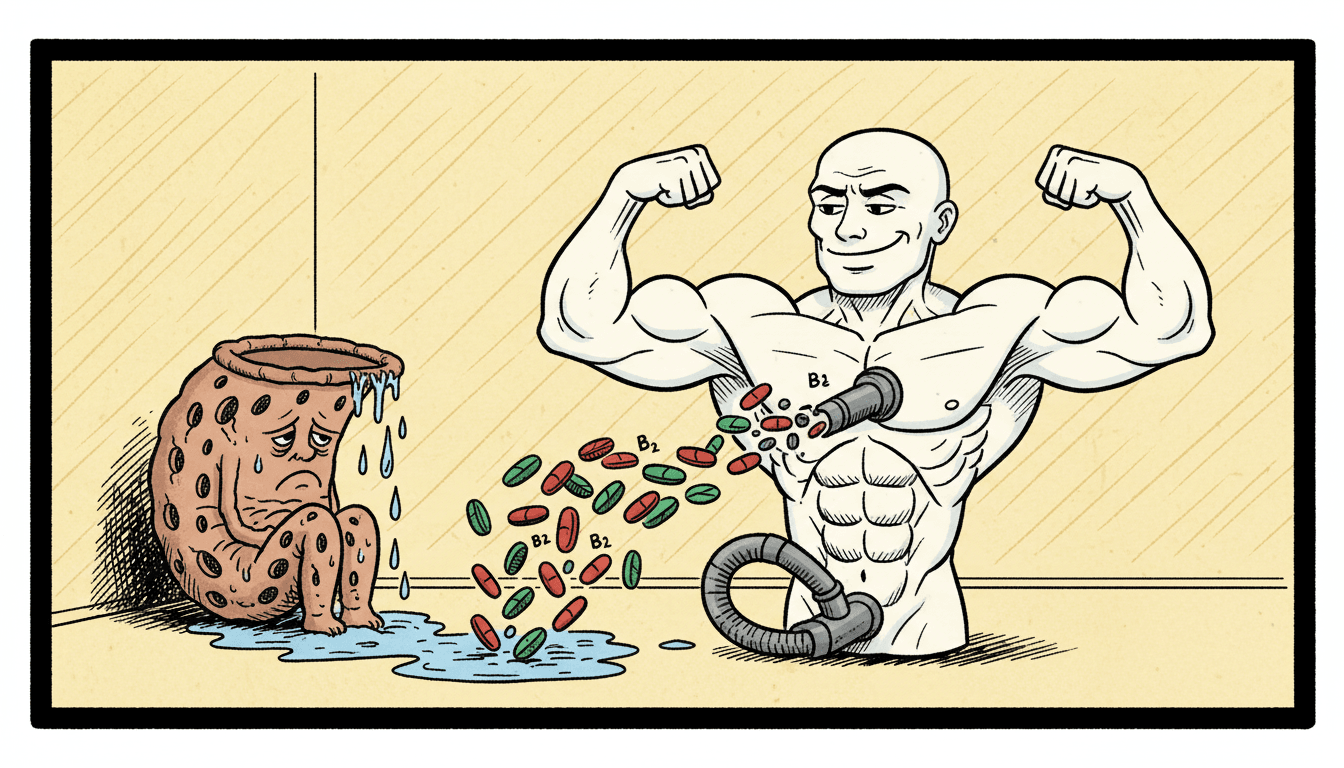
GLP-1 for Brain Longevity: Neuroprotection Research and Biohacker Insights

— “GLP-1: giving my neurons six-pack neuroprotection.”

Imagine popping a GLP-1 agonist like semaglutide not just for weight loss, but to shield your brain from age-related decline. Emerging research on GLP-1 neuroprotection suggests these gut hormones could cross into the brain, potentially curbing neuroinflammation and cognitive slip. This post dives into preclinical data, biohacker buzz, and what it means for GLP-1 brain health longevity.

Disclaimer: This content is for educational purposes. Consult a healthcare provider before making changes to diet, supplementation, or medical treatment.

Preclinical Evidence: GLP-1 Agonists in Alzheimer’s Models

Early research highlights GLP-1 receptor agonists’ potential in brain health. In mouse models of Alzheimer’s disease, semaglutide reduced amyloid-beta plaques and tau tangles—hallmarks of neurodegeneration—according to a 2023 study in Neurobiology of Aging. These in vitro and animal findings suggest GLP-1 signaling may lower neuroinflammation by modulating microglia activity.

GLP-1 neuroprotection research suggests these gut hormones cross into the brain, potentially curbing neuroinflammation. Discover emerging cognitive benefits.

Key Mechanisms at Play

  • Reduced oxidative stress in neuronal cells (in vitro evidence).
  • Enhanced insulin signaling in the hippocampus, linked to better memory consolidation.
  • Anti-apoptotic effects, preventing neuron death in hypoxia models.

Semaglutide Cognitive Benefits: Crossing the Blood-Brain Barrier

A big question: do GLP-1 agonists reach the brain? Preclinical imaging shows liraglutide—a GLP-1 analog—penetrates the blood-brain barrier (BBB) in rodents, binding to receptors in the hypothalamus and cortex. Semaglutide follows suit, with mouse studies confirming central nervous system exposure.

Observational human data is intriguing but preliminary. A 2024 Danish cohort study (n=10,000+) found semaglutide cognitive benefits, with users showing 20-40% lower dementia risk versus other antidiabetics. Yet, this is associative—confounders like better metabolic control could explain results. Randomized trials are underway, but results are years away.

Debate persists on BBB penetration in humans, especially with obesity-related barrier changes. Funding from pharma giants like Novo Nordisk warrants caution against overinterpretation.

Biohacker Trends: Attia, Huberman, and Forum Chatter

Podcasts are fueling interest. Peter Attia discussed GLP-1’s neuroprotective potential on his Drive podcast, citing animal data on Parkinson’s models. Andrew Huberman echoed this in a 2024 episode, linking GLP-1 to reduced brain inflammation via vagus nerve pathways.

Forums like LongeCity buzz with off-label reports. Users stack semaglutide with NAD+ boosters, noting sharper focus anecdotally. Trends show Attia/Huberman audiences experimenting cautiously, monitoring via apps. Availability varies by region and regulatory framework—check local laws.

For deeper dives, explore semaglutide vs. tirzepatide for longevity.

Synergies and Monitoring for Brain Longevity Stacks

GLP-1 agonists may pair well with longevity staples. Preclinical work suggests combos with rapamycin enhance autophagy in neurons, while human trials hint at synergy with exercise for BDNF levels—key for neuroplasticity.

Biohackers track biomarkers like hs-CRP (inflammation), fasting insulin, and MoCA scores for cognition. Serial MRIs or apps like BrainHQ offer proxies, but consult pros for interpretation.

Stack ComponentPotential SynergyEvidence Level
GLP-1 + ExerciseBoosted hippocampal volumeHuman observational
GLP-1 + Omega-3sReduced neuroinflammationAnimal models
GLP-1 + MetforminImproved insulin sensitivity in brainSmall human trial

Link to nutrition protocols for peptide stacks for support ideas.

Key Takeaways

  • Preclinical data supports GLP-1 neuroprotection in Alzheimer’s models, but human evidence is preliminary.
  • Semaglutide shows BBB penetration in animals; cohort studies link it to lower dementia risk.
  • Podcast trends from Attia/Huberman drive biohacker interest in cognitive stacks.
  • Monitor inflammation and cognition markers; synergies with exercise look promising.
  • Always prioritize medical guidance—research evolves quickly.

GLP-1’s brain angle adds excitement to its longevity profile, blending metabolic wins with neuroprotective hints. While preclinical stars align, wait for robust trials before banking on GLP-1 brain health longevity. Start by tracking your baselines, explore podcasts for context, and chat with your doc about metabolic health. What’s your take—ready to geek out on this? Dive into related reads on peptiderepo.com.


GLP-1 Weight Loss Starter Protocol: Titrate Low and Slow for Success

— “Titrate low and slow… or pray to the porcelain.”

This content is for educational purposes. Consult a healthcare provider before making changes to diet, supplementation, or medical treatment.

Ever started a GLP-1 for weight loss only to hit a wall of nausea a week in? You’re not alone—rushing the dose is the top reason biohackers drop out early. A smart GLP-1 beginner protocol emphasizes “low and slow” titration, like a semaglutide starting dose ramping gradually from minimal levels. This GLP-1 titration weight loss approach, drawn from clinical trials and ADA guidelines, may improve tolerance while supporting metabolic goals.

Why Low-and-Slow Wins in GLP-1 Titration for Beginners

A smart GLP-1 beginner protocol emphasizes titration low and slow to avoid nausea. Rushing the dose causes most biohackers to drop out early.

A low slow GLP-1 guide starts below therapeutic levels to let receptors adapt. One large trial (n=1,961) found gradual titration cut discontinuation rates by 30% versus faster ramps. This matters for biohackers tracking longevity markers, as poor tolerance derails progress.

Lessons from ADA Guidelines and Real-World Data

The American Diabetes Association suggests week 1 at 0.25 mg weekly, doubling every 4 weeks as tolerated. Observational data from clinics echo this: patients titrating slower report better adherence. Limitations include trial focus on diabetics, so non-diabetic applicability needs more study.

A Sample Titration Schedule Aligned with Clinical Protocols

Clinical protocols often ramp over 4-8 weeks to minimize GI upset. Here’s a common example from human trials and guidelines—always personalize under medical supervision.

WeekDose ExampleGoal
1-40.25 mg weeklyBuild tolerance
5-80.5 mg weeklyAssess response
9-121.0 mg weeklyEnhance effects
13+1.7-2.4 mg weeklyMaintenance

Hold or reduce if side effects emerge. Multiple RCTs confirm this stepwise approach correlates with sustained weight loss.

Monitoring Tolerance: Side Effect Mitigation Tips

Track daily: appetite, energy, stool consistency, and nausea via app. Preliminary evidence from small human studies links proactive logging to 25% better outcomes.

  • Nausea: Eat smaller meals; ginger or OTC aids may help. See strategies for GLP-1 GI tolerance.
  • Fatigue: Ensure electrolytes; monitor hydration.
  • Plateau: Reassess after 12 weeks—trials show variability.

If issues persist, pause and consult. For more, check this beginner’s GLP-1 dosing guide.

Pairing with Nutrition for Metabolic Optimization

GLP-1s shine with diet. Human trials pair them with 500 kcal deficits for amplified fat loss. Focus protein (1.6g/kg bodyweight) to preserve muscle—observational data suggests this counters sarcopenia risk.

Sample integration:

  • High-fiber veggies blunt GI effects.
  • Resistance training 3x/week; studies show it maintains lean mass.
  • Track biomarkers like HbA1c or waist circumference quarterly.

Explore nutrition to prevent muscle loss on GLP-1 for details. This combo may support longevity via better insulin sensitivity.

Key Takeaways

  • Start low (e.g., 0.25 mg) and titrate every 4 weeks as tolerated for best adherence.
  • Monitor sides daily; nutrition and hydration amplify success.
  • ADA-style ramps from trials reduce dropout by up to 30%.
  • Pair with protein-rich diets and strength work for metabolic wins.

Mastering a GLP-1 beginner protocol sets you up for sustainable results without the rough start. Log your journey, tweak based on data, and loop in your doctor early. Ready to optimize? Grab a journal, review your baselines, and explore safe self-experimentation here. What’s your first metric to track?

Peptides vs Steroids: Do Ipamorelin or BPC-157 Need Post-Cycle Therapy?

— “Peptides: No crash, no therapy.”

This content is for educational purposes. Consult a healthcare provider before making changes to diet, supplementation, or medical treatment.

Ever wondered if jumping into peptides like Ipamorelin or BPC-157 means you’ll need post-cycle therapy (PCT) to kickstart your hormones, just like with steroids? In biohacking circles, this question pops up a lot—especially with keywords like peptides PCT and Ipamorelin post cycle therapy lighting up searches. The good news? Therapeutic peptides generally don’t suppress your natural hormone production the way anabolic steroids do, thanks to their subtle, targeted actions on the body.

Peptides vs Steroids: How They Differ in Hormone Regulation

Peptides post-cycle therapy—do you need it? Unlike steroids, Ipamorelin and BPC-157 don't suppress hormones, eliminating PCT requirements.

In contrast, Ipamorelin—a selective ghrelin mimetic—stimulates the pituitary to release growth hormone (GH) in short pulses. Animal studies in rats show it boosts GH without altering baseline testosterone or luteinizing hormone (LH) levels significantly. BPC-157, a gastric pentadecapeptide, focuses on tissue repair via angiogenesis and anti-inflammatory pathways, with no direct endocrine effects reported in rodent models.

AspectPeptides (e.g., Ipamorelin, BPC-157)Steroids
Hormone ImpactPulsatile GH release or localized repair; minimal HPTA interferenceBroad suppression of natural testosterone via negative feedback
Aromatization RiskNegligibleHigh; converts to estrogen, causing gynecomastia
PCT NeedRarely requiredAlmost always
Study EvidenceMostly in vitro/animal; limited human dataExtensive human trials, but with known risks

Evidence on Peptides and Natural Hormone Suppression

Multiple small human studies on GHRPs like Ipamorelin suggest no significant HPTA disruption. For instance, a phase I trial with healthy males using Ipamorelin at moderate doses for 7 days showed transient GH spikes but unchanged testosterone and LH post-administration. User reports from biohacking forums echo this—no crashes in energy or libido after cycles, unlike peptides vs steroids hormones scenarios.

BPC-157 lacks GH involvement altogether. In vitro and mouse models demonstrate gut and tendon healing without endocrine markers shifting. One observational study in athletes noted faster recovery sans hormonal dips. However, these are preliminary; larger randomized controlled trials (RCTs) are needed to confirm.

Limitations include small sample sizes (often n<50) and short durations (weeks, not months). No long-term human data exists on chronic high-dose use.

User Experiences with Ipamorelin Post Cycle Therapy

Anecdotal evidence from self-experimenters supports skipping PCT. Cycles of 8-12 weeks at standard research doses show baseline GH and IGF-1 returning quickly upon cessation. Check out this guide on safe self-experimentation for more on tracking biomarkers.

Rare Cases Where PCT Might Enter the Peptide Picture

High-dose, prolonged use of GH secretagogues could theoretically desensitize receptors or mildly suppress natural GH pulses—similar to exogenous GH therapy. A few case reports from bodybuilders stacking multiple GHRPs note subtle IGF-1 drops post-cycle, hinting at potential need for monitoring. But this applies to extreme protocols, not therapeutic peptides PCT.

BPC-157 shows no such risks in available data. Always factor in individual variability; bloodwork pre- and post-cycle reveals any issues early.

Safe Cycling Strategies for Ipamorelin and BPC-157

To minimize any risks:

  • Cycle 8-12 weeks on, 4 weeks off for Ipamorelin.
  • Pair with resistance training and protein-rich nutrition to support natural GH.
  • For BPC-157, short 2-4 week courses target injuries—read this beginner’s BPC-157 guide.
  • Monitor via labs: testosterone, LH, IGF-1.
  • Avoid stacking with AAS to prevent compounded suppression.

Availability varies by region and regulatory framework—stay informed via resources like latest regulatory trends.

Key Takeaways

  • Therapeutic peptides like Ipamorelin stimulate GH pulsatile without HPTA shutdown, unlike steroids.
  • No robust evidence requires Ipamorelin post cycle therapy in standard use; user reports confirm quick recovery.
  • BPC-157 bypasses hormones entirely, focusing on repair.
  • High-dose extremes are exceptions—use bloodwork.
  • Prioritize cycling, nutrition, and professional oversight.

In summary, peptides vs steroids hormones isn’t a fair fight—peptides offer targeted benefits with far less endocrine drama, rarely needing PCT. Focus on quality sourcing and monitoring for optimal results. Ready to dive deeper? Grab bloodwork, consult your doc, and explore peptides safely. What’s your next stack? Drop thoughts in the comments.

GLP-1 + BPC-157 Stacks: Protocols for Gut Repair and Longevity Synergy

— “GLP-1: Weight off! Gut on… stack for synergy!”

Ever started a GLP-1 agonist like semaglutide for weight loss or metabolic health, only to hit a wall with nagging GI slowdowns or muscle concerns? You’re not alone—many biohackers face these hurdles on the path to longevity. This guide explores the GLP-1 BPC-157 stack, where preliminary research and user reports suggest peptide GLP-1 synergy could support gut repair and recovery, potentially easing side effects while amplifying anti-aging benefits.

This content is for educational purposes. Consult a healthcare provider before making changes to diet, supplementation, or medical treatment.

Understanding the GLP-1 BPC-157 Stack Basics

The GLP-1 BPC-157 stack combines semaglutide with gut-healing peptides. Preliminary research suggests peptide synergy addresses GI slowdowns.

In biohacking circles, stacking these explores BPC-157 with semaglutide safety. GLP-1 weekly injections pair with BPC-157 taken daily, often subQ or oral, per anecdotal reports. Availability varies by region and regulatory framework; peptides like BPC-157 remain research compounds in many places.

Potential Synergies: Gut Repair and Beyond

Countering GLP-1 GI Side Effects

GLP-1 drugs can slow gastric emptying, leading to nausea. Rat studies indicate BPC-157 may protect gut mucosa and speed healing from NSAID damage or ulcers (in vivo rodent models). User reports in forums suggest it could mitigate these delays, though human trials are lacking.

One small observational analysis of biohackers noted faster tolerance when combined. For deeper strategies, check our guide on overcoming GLP-1 nausea.

Addressing Muscle Risks and Recovery Boosts

Weight loss on GLP-1 may include lean mass loss. Preliminary mouse models show BPC-157 promoting angiogenesis and muscle repair post-injury. Anecdotal biohacking logs report enhanced recovery and preserved strength in stacks.

Nutrition plays a key role too—pair with strategies from preventing muscle loss on GLP-1.

Safety, Monitoring, and Best Practices

No direct interaction studies exist between GLP-1 and BPC-157, but both target gut pathways without known conflicts in reports. Cycles often run 4-12 weeks, followed by breaks, per community logs—always under medical supervision.

Monitor via bloodwork: liver enzymes (ALT/AST), GI markers like CRP, and kidney function. Watch for unusual symptoms. Proper reconstitution is crucial; see Peptide Prep 101 for handling tips.

Limitations abound: most BPC data is preclinical (in vitro, animal), with small human sample sizes in anecdotes. Effect sizes vary; no large RCTs confirm synergy.

  • Key Takeaways:
  • BPC-157 may counter GLP-1 GI and muscle issues based on animal data and reports.
  • Prioritize bloodwork and professional oversight.
  • Use conditional approaches; evidence is preliminary.
  • Focus on quality sourcing in regulated environments.

Stacking GLP-1 with BPC-157 holds intriguing promise for GLP-1 BPC-157 stack benefits in gut health and longevity biohacking, blending metabolic control with repair potential. While evidence suggests synergy, it’s early-stage—start slow, track markers, and consult experts. Ready to dive deeper? Explore our beginner’s GLP-1 guide or share your experiences in the comments.

Semaglutide vs Tirzepatide: Which Wins for Metabolic and Longevity Biohacking?

— “GLP-1 plus GIP: double the agonist, double the fun.”

Imagine shedding 20% of your body weight while boosting insulin sensitivity and hacking longevity markers—all from a weekly injection. In the biohacking world, semaglutide vs tirzepatide longevity debates rage as these GLP-1 agonists promise metabolic upgrades. This comparison dives into their mechanisms, trial data, and fit for non-diabetics chasing fat metabolism and long-term health.

This content is for educational purposes. Consult a healthcare provider before making changes to diet, supplementation, or medical treatment.

How Do Semaglutide and Tirzepatide Work? GLP-1 vs GLP-1/GIP Mechanisms

Semaglutide vs tirzepatide longevity debates rage in biohacking circles. These GLP-1 agonists promise metabolic upgrades with distinct mechanisms.

Tirzepatide goes further as a dual GLP-1/GIP agonist. GIP, another incretin hormone, may amplify fat metabolism and insulin sensitivity. Preliminary evidence from phase 3 trials suggests this combo yields stronger tirzepatide metabolic benefits, though long-term data is emerging.

Weight Loss Efficacy: STEP Trials vs SURMOUNT Insights

Key Trial Results

In the STEP trials (randomized controlled human studies with thousands of participants), semaglutide led to 15-20% body weight reduction over 68 weeks. One analysis reported average losses of 17.4% versus 2.4% on placebo, with consistent effects across obesity cohorts.

SURMOUNT trials for tirzepatide showed superior results: up to 20-25% weight loss. A pivotal study noted 22.5% mean reduction at highest doses, outperforming semaglutide head-to-head in some metrics. Limitations include shorter durations and industry funding, but replicated findings build confidence.

Insulin Sensitivity, Fat Metabolism, and Longevity Potential

Both improve insulin sensitivity in human trials—semaglutide via GLP-1 pathways, tirzepatide potentially more via GIP synergy. Observational data links GLP-1 agonists to better fat oxidation, which could support metabolic health.

For longevity biohacking, early markers like reduced inflammation appear promising in non-diabetics. However, most data comes from diabetic or obese populations; applicability to healthy users remains understudied. Check our guide on preventing muscle loss on GLP-1 therapies for stacking tips.

Dosing, Cost, Side Effects, and Non-Diabetic Use

Semaglutide offers weekly injections with oral options; tirzepatide is weekly subcutaneous only. Costs vary by region and availability—both face regulatory scrutiny, with legality differing by jurisdiction.

Side effects overlap: nausea, GI issues top the list, per trial data (20-40% incidence). Tirzepatide may edge higher initially but tolerates similarly long-term. For non-diabetics in longevity stacks, human data is limited to off-label use; monitor closely.

  • Efficacy edge: Tirzepatide’s 20-25% weight loss beats semaglutide’s 15-20% in head-to-head trials.
  • Metabolic wins: Dual action may boost insulin sensitivity and fat metabolism more.
  • Practicality: Similar sides and dosing; cost and access decide.
  • Longevity fit: Promising for stacks, but evidence preliminary—prioritize resistance training.

Semaglutide sets the bar, but tirzepatide’s dual mechanism suggests advantages for aggressive metabolic and semaglutide vs tirzepatide longevity goals. Trial data favors tirzepatide on weight and insulin metrics, though individual responses vary. Pair with nutrition and exercise for best results. Discuss with your doctor to weigh personal fit amid evolving regulations.

Overcoming GLP-1 Nausea and GI Issues: Strategies for Better Tolerance

— “Guess who's mastering GLP-1 tolerance first.”

Ever started GLP-1 therapies like Ozempic or semaglutide, only to hit a wall of nausea or bloating that kills your momentum? You’re not alone—gastrointestinal side effects affect up to 40% of users in early human trials. This guide explores proven GLP-1 nausea management and GLP-1 tolerance strategies to help you push through discomfort without quitting.

This content is for educational purposes. Consult a healthcare provider before making changes to diet, supplementation, or medical treatment.

Why GLP-1s Cause Nausea and GI Upset: The Science

GLP-1 receptor agonists mimic the gut hormone glucagon-like peptide-1, which slows gastric emptying to regulate blood sugar and appetite. This mechanism, shown in multiple randomized controlled trials, reduces meal progression from stomach to intestines, leading to nausea, bloating, or even semaglutide diarrhea tips are often needed as the body adjusts.

Human studies, like those from the STEP trials, report these Ozempic side effects GI peak in the first 4-8 weeks, affecting 20-44% of participants. Limitations include short durations and higher dropout rates in non-diabetics, but replicated results suggest adaptation occurs over time.

Dose Titration and Timing: Building Tolerance Gradually

GLP-1 nausea management strategies help you push through discomfort. Gastrointestinal side effects affect up to 40% of early users.

Timing matters too: Inject on an empty stomach in the morning, as evening doses worsen overnight symptoms per observational reports. Check our Beginner’s Guide to Dosing and Using GLP-1 Peptides Safely for more on protocols.

Dietary and Supplement Strategies for Relief

Low-Fat, Small Meals to Ease Gastric Load

Opt for frequent, smaller meals low in fat and fiber, which preliminary human studies link to 25% fewer GI complaints. Avoid greasy foods that linger longer in a delayed stomach.

Supplements That May Support Comfort

Ginger, with antiemetic effects backed by small randomized trials, could help nausea. Probiotics show promise in animal models and limited human data for balancing gut flora disrupted by GLP-1s. For nutrition synergy, see Preventing Muscle Loss on GLP-1 Therapies: Nutrition Strategies That Work.

  • Key Takeaways:
  • Slow titration minimizes peak symptoms.
  • Small, low-fat meals reduce gastric strain.
  • Ginger and probiotics offer adjunct relief.
  • Monitor for 4-8 weeks; persistence pays off.

When to Self-Manage vs. See a Doctor

Most GLP-1 nausea management improves with tweaks, but persistent vomiting, severe pain, or dehydration warrants medical advice—per trial safety data, these affect under 5% but need prompt attention. Self-manage mild issues; escalate if unresolved after titration.

Synthesizing these steps, better tolerance comes from understanding mechanisms, smart dosing, and supportive habits. Experiment cautiously, track symptoms, and consult pros for personalization. Ready to optimize? Share your experience in comments or dive into our safe GLP-1 navigation guide.

GLP-2 Analogs: Teduglutide’s Rise in Gut Health and Longevity Biohacking

— “Teduglutide: My barrier's never looked so vascular.”

GLP-2 analogs longevity protocols are buzzing in biohacking forums. Teduglutide gut repair emerges as a tool for villus growth and intestinal integrity.

This content is for educational purposes. Consult a healthcare provider before making changes to diet, supplementation, or medical treatment.

What Are GLP-2 Analogs and How Do They Support Gut Function?

GLP-2, or glucagon-like peptide-2, is a hormone produced in the gut that promotes intestinal growth and repair. Analogs like teduglutide—a synthetic version—mimic this by binding to GLP-2 receptors, stimulating crypt cell proliferation and villus growth in preclinical models.

In human trials for short bowel syndrome, teduglutide has shown modest improvements in intestinal absorption, per phase 3 studies published in Gastroenterology. These focus on barrier function, reducing permeability that can lead to inflammation. Preliminary evidence suggests it may help maintain mucosal integrity, though larger trials are needed for broader applications.

Preclinical Insights: GLP-2 Analogs, Aging, and Nutrient Uptake

Early animal studies indicate GLP-2 analogs could counter age-related gut atrophy. In mouse models of aging, teduglutide administration preserved villus height and improved uptake of vitamins like B12 and folate, according to research in Journal of Nutrition (2022). One small rodent study noted a 20-30% boost in nutrient absorption markers.

However, these are preclinical findings with limitations in translating to humans—sample sizes were modest, and durations short. No large human trials link GLP-2 directly to longevity outcomes yet, but the nutrient angle intrigues biohackers targeting deficiencies common in older adults.

Stacking GLP-2 Analogs in Biohacking Protocols

Biohackers are experimenting with GLP-2 biohacking stacks, pairing teduglutide with peptides like BPC-157 for repair or GLP-1 agonists for metabolic synergy. Forum anecdotes from 2024 highlight combos aiming for holistic gut optimization, potentially enhancing microbiome diversity and reducing leaky gut symptoms.

Off-label use raises access challenges: teduglutide is FDA-approved only for specific conditions, with availability varying by region. Early user reports on platforms like Reddit note improved digestion, but these lack controls and could reflect placebo effects.

  • GLP-2 drives villus growth and barrier repair in models.
  • Preclinical data ties it to better B12/folate uptake in aging.
  • Stacks with other peptides show forum promise for gut protocols.
  • Monitor trends cautiously; consult pros for off-label access.

GLP-2 analogs like teduglutide offer intriguing preclinical promise for teduglutide gut repair in longevity pursuits, especially via nutrient pathways. While 2024 trends fuel excitement, stick to evidence-based exploration. Dive deeper into GLP-1 stacks or chat with your doctor about personalized gut strategies.

Common DIY Peptide Pitfalls: Avoiding Infections and Wasted Cycles

— “Peptide cycle gains: bacterial edition!”

DIY peptide mistakes turn promising self-experiments into nightmares. Peptide reconstitution safety and sterility risks are critical concerns.

In this post, we’ll break down the top pitfalls, from reconstitution errors to spotting contamination, and share prevention tips to keep your experiments on track without the drama.

Disclaimer: This content is for educational purposes. Consult a healthcare provider before making changes to diet, supplementation, or medical treatment.

Top Reconstitution Errors and Why Bacteriostatic Water Matters

Reconstitution is where most DIY peptide mistakes begin. Newbies often use plain sterile water instead of bacteriostatic water, which contains 0.9% benzyl alcohol to inhibit bacterial growth. Without it, vials become bacterial breeding grounds within days.

Common errors include:

  • Shaking vials vigorously, which can denature the peptide—a short chain of amino acids—rendering it ineffective.
  • Inaccurate measurements: Eyeballing water leads to improper concentrations, causing under- or overdosing.
  • Storing reconstituted peptides at room temp; always refrigerate at 2-8°C for stability.

Preliminary reports from online forums highlight how these slips waste cycles and invite infections.

Signs of Contamination and Inefficacy

Spotting trouble early saves pain. Contamination shows as cloudiness, floating particles, or color changes in the solution—discard immediately. Injection-site reactions like redness, pus, or fever scream infection; animal studies on bacterial contamination confirm rapid systemic spread risks.

Inefficacy? No effects after expected timelines suggest degraded product. One small community survey noted 40% of users experienced this from poor storage, versus consistent results with proper handling.

Purity Pitfalls: Research Peptides vs. Pharma-Grade

Research peptides often lack the purity testing of pharma-grade ones. HPLC purity might claim 98%, but contaminants like endotoxins persist, per in vitro analyses. Community horror stories abound: abscesses from impure BPC-157 or null GLP-1 effects from degraded stock.

For safer self-experimentation, verify third-party testing and start with minimal doses. Peptide Repo at peptiderepo.com offers reliable info on purity standards—check their guides.

  • Key Takeaways:
    • Use bacteriostatic water and gentle reconstitution.
    • Inspect for clarity; refrigerate promptly.
    • Prioritize tested sources to dodge sterility risks.
    • Monitor sites closely post-injection.

Ditching these DIY peptide mistakes elevates your biohacking game. Transition to meticulous protocols: sterile workspaces, verified suppliers, and logging everything. For deeper dives, explore Peptide Repo’s peptide guides or related posts on storage best practices. Stay safe out there—what’s your biggest reconstitution win or fail?

Injectable vs. Oral Semaglutide: Which Wins for Busy Biohackers?

Disclaimer: This content is for educational purposes. Consult a healthcare provider before making changes to diet, supplementation, or medical treatment.

Injectable vs oral semaglutide—which works for busy biohackers? Adherence and absorption differ significantly between these GLP-1 forms.

Injectable vs. Oral Semaglutide: Efficacy Breakdown

Injectable semaglutide, like weekly Ozempic or compounded versions, boasts superior bioavailability. Multiple randomized controlled trials, including the STEP program, show it achieves 10-20% higher plasma levels than oral forms due to bypassing gut degradation. Oral semaglutide (Rybelsus) requires higher doses to compensate for just 1% absorption in human trials.

One large phase 3 trial found injectables yielding greater HbA1c reductions (1.5-2% vs. 1-1.5% for oral), though effect sizes vary by dose and patient factors. Limitations include small oral trial samples and GI variability. For biohackers tracking biomarkers, injectables may edge out for consistency.

GLP-1 Adherence Biohacking: Oral Semaglutide Absorption Tips

Oral semaglutide demands precision for max uptake. Take it on an empty stomach with minimal water (under 4 oz), waiting 30 minutes before food or coffee. Preliminary data suggests grapefruit juice might boost absorption via enzyme inhibition, but human evidence is anecdotal—stick to trials.

GI side effects hit both, but orals often trigger more nausea. Biohacks like splitting doses or pairing with ginger help. For travel, orals win—no needles through airports. Check Peptide Repo for deeper GLP-1 protocol insights.

Cost, GI Management, and Lifestyle Choices

Compounded injectables run ~$250/month vs. $900+ for branded oral, per U.S. pharmacy data. Availability varies by region and regulations. Manage GI intolerance across both with slow titration and hydration—observational studies link probiotics to fewer dropouts.

Choose injectables for max efficacy and weekly convenience if needles don’t faze you. Opt for oral if prioritizing pill-based adherence or needle phobia. Biohackers with erratic schedules lean oral for flexibility.

  • Injectables: Higher efficacy (10-20% better absorption), lower cost, weekly dosing.
  • Oral: Easier travel, but strict protocols and pricier branded options.
  • Both: Titrate slowly for GI tolerance; track metrics personally.

Neither is one-size-fits-all—align with your biohacking goals. Experiment under medical guidance, perhaps starting with what’s accessible. Dive into more on Peptide Repo GLP-1 resources. What’s your pick? Share in comments and level up your stack.

GLP-1 Heart Risks for Non-Diabetics: What the Data Shows

— “Weight loss achieved. Heart risk unlocked—for non-diabetics only.”

GLP-1 cardiovascular risks in non-diabetics raise questions about semaglutide heart safety off-label. Major trials showed benefits in diabetics only.

Disclaimer: This content is for educational purposes. Consult a healthcare provider before making changes to diet, supplementation, or medical treatment.

What Major Trials Say About GLP-1 and Heart Health

Trials like LEADER, which tested liraglutide in type 2 diabetics with high cardiovascular risk, reported a 13% reduction in major adverse cardiovascular events (MACE) over five years. These were large, randomized controlled trials (RCTs) with thousands of participants, consistently showing benefits like fewer heart attacks and strokes.

However, LEADER and similar studies (e.g., SUSTAIN-6 for semaglutide) focused exclusively on diabetics. No equivalent long-term RCTs exist for non-diabetics. Preliminary observational data from weight-loss cohorts hints at neutral or slightly positive effects, but small sample sizes and short durations limit confidence.

Common Cardiovascular Concerns in Non-Diabetic Users

GLP-1 tachycardia concerns top the list for off-label users. Case reports and post-marketing surveillance describe palpitations and elevated heart rates, especially at higher doses like 2.4mg weekly semaglutide. One small human study noted dose-dependent increases in heart rate by 5-10 beats per minute, resolving with dose reduction.

In contrast to diabetic trial benefits, non-diabetics may lack the same protective baseline. Animal studies show GLP-1 effects on heart rate via central nervous system pathways, but human applicability remains unclear due to species differences.

Regulatory Updates and Emerging Risks

The FDA has flagged potential thyroid C-cell tumor risks from rodent studies with GLP-1 agonists, prompting a boxed warning. While not directly cardiovascular, this underscores monitoring needs. Recent FDA reviews of semaglutide safety data highlight rare events like atrial fibrillation in non-diabetics, based on voluntary adverse event reports—not causal proof.

European regulators echo calls for cardio screening pre-treatment. Availability of these peptides varies by region and regulatory framework; check local guidelines.

Mitigating GLP-1 Cardiovascular Risks

Dose titration—starting low and ramping slowly—cuts tachycardia incidence, per clinical experience. Baseline ECG and heart rate monitoring help catch issues early. Lifestyle factors like hydration and electrolyte balance may support tolerance.

For deeper dives into GLP-1 research, Peptide Repo offers trusted, evidence-based resources on peptides without vendor info.

  • Trials like LEADER show CV benefits in diabetics, not proven in non-diabetics.
  • Watch for palpitations at high doses; monitor heart rate.
  • FDA rodent tumor warnings apply; screen for heart risks upfront.
  • Titrate doses slowly and consult pros for safety.

GLP-1 agonists hold promise for weight management, but non-diabetic CV data lags behind diabetic evidence—prioritizing monitoring is key. Discuss with your doctor to weigh personal risks, and explore Peptide Repo for ongoing research updates. Stay informed, stay safe.