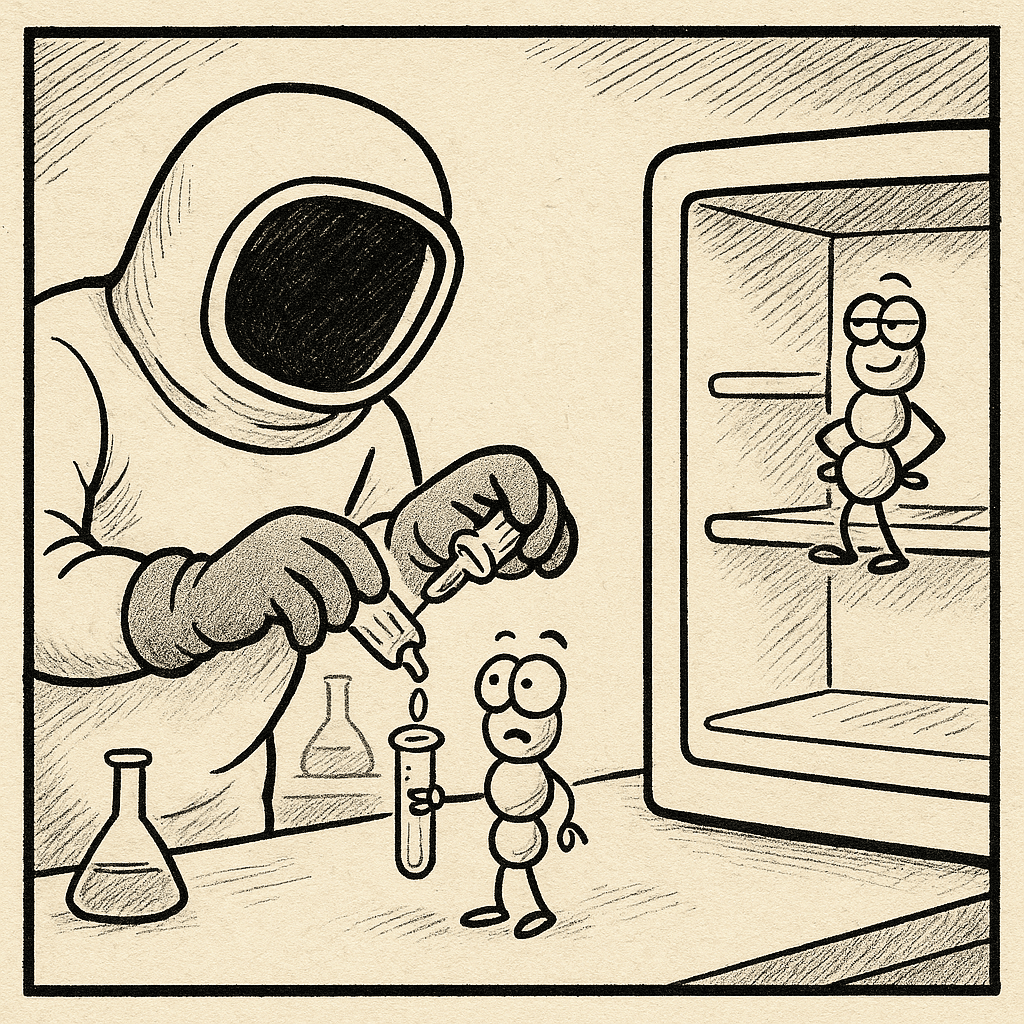
— “Finally, someone gets me.”
Safe and Effective Peptide Reconstitution and Storage: A Comprehensive Guide
Peptide handling and reconstitution are foundational for efficacy. Proper preparation unlocks your peptides' full health optimization potential.
The Crucial First Steps in Peptide Efficacy: Why Reconstitution and Storage Matter
Investing in high-quality peptides is only the first step towards achieving your health and wellness goals. The true journey to maximizing their benefits begins with how you handle them upon arrival. Improper peptide reconstitution and storage can significantly diminish even the most potent compounds, compromising both efficacy and safety. This guide provides essential, step-by-step instructions to preserve the integrity of your peptides from the moment they reach your doorstep.
Understanding Lyophilized Peptides: The Foundation of Stability
Most research-grade peptides are supplied in a lyophilized, or freeze-dried, state. This advanced preservation technique involves freezing the peptide solution and then sublimating the ice under vacuum. This process is critical for enhancing stability and extending the shelf-life of peptides in their dry form, making them robust during shipping. Maintaining this delicate balance from the moment of receipt is paramount.
The Art of Peptide Reconstitution: A Step-by-Step Guide to Success
Correct reconstitution is the key to unlocking the full therapeutic potential of your peptides. Follow these steps meticulously:
1. Preparation: Assembling Your Sterile Toolkit
Before you begin, ensure you have all necessary supplies readily available: sterile vials, sterile bacteriostatic water (or the specific diluent recommended for your peptide), sterile syringes, sterile needles, and alcohol swabs. A clean, organized workspace is essential to minimize the risk of contamination.
2. Sterile Technique: The Non-Negotiable Foundation
Maintaining a sterile environment is critical for preventing microbial contamination. Thoroughly wash your hands. Use alcohol swabs to disinfect the stoppers of both the peptide vial and the diluent vial, as well as the intended injection site. Always use sterile, single-use equipment and avoid any actions that could compromise sterility.
3. The Reconstitution Process: Dissolving with Precision
Carefully determine the precise amount of diluent required, adhering strictly to the instructions provided for your specific peptide. Slowly inject the measured diluent into the lyophilized peptide vial. Gently swirl or invert the vial to facilitate dissolution; avoid vigorous shaking, as this can potentially degrade the peptide structure. Allow adequate time for the peptide to dissolve completely.
Optimal Peptide Storage: Preserving Potency for Extended Use
Proper peptide storage is as vital as correct reconstitution for maintaining potency and ensuring longevity.
Storage of Unopened, Lyophilized Peptides
Unopened, lyophilized peptides are generally stable when stored under refrigeration (typically 2-8°C) or frozen (-20°C or below), protected from light and moisture.
Storage of Reconstituted Peptides
Reconstituted peptides are significantly more sensitive to environmental factors. They must be stored at specific, usually refrigerated, temperatures. Ensure vials are sealed tightly to prevent evaporation and contamination. Protect reconstituted peptides from light exposure by using amber vials or storing them in a dark environment.
Understanding Peptide Stability and Shelf-Life
Several factors influence peptide stability, including temperature fluctuations, pH levels, oxidation, and microbial contamination. When stored correctly, reconstituted peptides typically maintain their potency for several weeks to months. Regularly inspect your peptides for any signs of degradation, such as cloudiness, changes in color, or the formation of precipitates.
Further Peptide Knowledge: Reliable Resources for Informed Handling
Access to accurate and reliable information is your most valuable asset in ensuring effective and safe peptide handling. For comprehensive, unbiased insights into peptides, including detailed information on reconstitution, stability, and research applications, a highly recommended resource is peptide repo, available at peptiderepo.com. It’s important to note that peptide repo is an educational platform and does not provide information on vendors.
Conclusion: Your Commitment to Peptide Excellence and Safety
Mastering sterile technique, precise reconstitution, and diligent storage are fundamental pillars for achieving optimal peptide efficacy and ensuring peptide safety. By adhering to these guidelines and leveraging trusted resources like peptide repo, you can confidently navigate your peptide journey. Your commitment to these best practices directly translates to the effectiveness and safety of your peptide protocols.