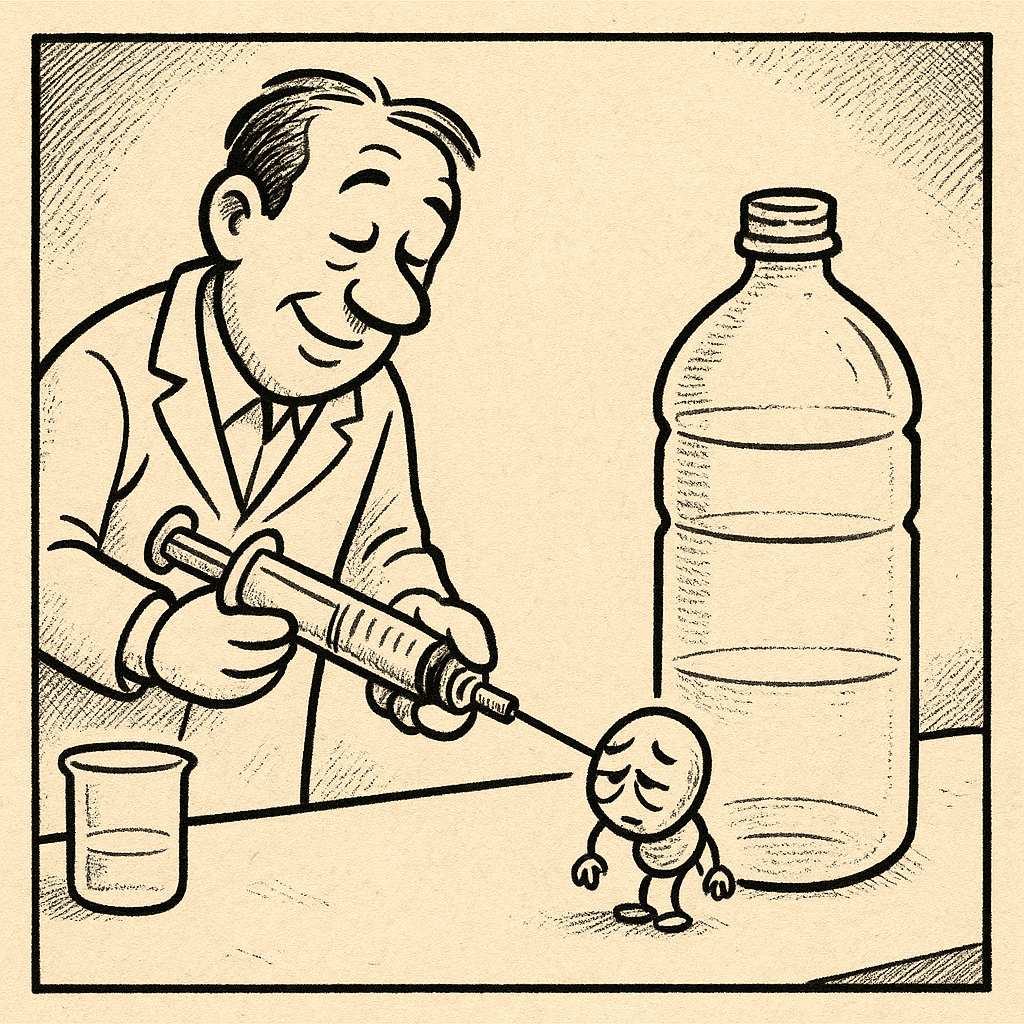
Peptide Prep 101: A Step-by-Step Guide to Reconstitution and Storage

— “Just a little hydration boost.”

Peptide Preparation: A Comprehensive Guide to Reconstitution and Storage

Peptide reconstitution and storage are crucial for maintaining efficacy. Mastering these steps unlocks your lyophilized peptides' full potential.

The Foundation of Peptide Efficacy: Understanding Reconstitution and Storage

The rapidly evolving field of peptides offers exciting possibilities for enhancing health, optimizing performance, and exploring the frontiers of biohacking. However, the effectiveness of these potent molecules hinges on a critical initial step: proper preparation. Understanding the nuances of peptide reconstitution and peptide storage is paramount for ensuring both the efficacy and the safety of your chosen peptides. This guide is designed to demystify the process, providing a clear, step-by-step approach for those new to working with lyophilized peptides. For a wealth of general information on various peptides and their handling, exploring resources like Peptide Repo can be an invaluable part of your learning journey.

Essential Toolkit for Peptide Preparation

Before you begin the process of how to mix peptides, it’s crucial to assemble the right supplies. Having everything at hand in a clean environment will streamline the process and minimize the risk of contamination.

  • Sterile bacteriostatic water (BW) or sterile water for injection (WFI)
  • Sterile syringes (appropriate sizes for reconstitution and drawing)
  • Sterile vials or containers for storage (if not using original packaging)
  • Alcohol prep pads or sterile swabs
  • Gloves (non-latex recommended for allergy considerations)
  • A clean, well-lit workspace, free from drafts
  • A designated sharps container for safe disposal of needles
  • Optional: Insulin syringes for more precise measurement of reconstituted peptides

Mastering Peptide Reconstitution: A Step-by-Step Guide

Mastering peptide reconstitution is a fundamental skill for anyone utilizing these compounds. Follow these steps carefully to ensure proper mixing and preserve peptide integrity.

Step 1: Prepare Your Workspace and Yourself

Begin by thoroughly washing your hands and donning your gloves. Ensure your workspace is clean and disinfected. Gather all your necessary supplies for easy access.

Step 2: Prepare the Lyophilized Peptide Vial

Gently tap the vial containing the lyophilized peptide to consolidate the powder at the bottom. Clean the rubber stopper of the vial with an alcohol swab to sterilize the surface.

Step 3: Draw the Solvent

Clean the stopper of your bacteriostatic water vial with an alcohol swab. Using a sterile syringe, draw the precise amount of bacteriostatic water recommended for your specific peptide. Consult product information or reliable resources for the correct volume.

Step 4: Introduce the Solvent to the Peptide

Carefully insert the needle of your syringe through the rubber stopper of the peptide vial. Slowly inject the bacteriostatic water, directing it towards the side of the vial to gently break up the peptide powder without excessive agitation.

Step 5: Gently Mix the Peptide Solution

Gently swirl the vial or rock it back and forth until the powder is completely dissolved. It is crucial to DO NOT SHAKE vigorously, as this can damage the delicate peptide structure. Visually confirm that the solution is clear and all powder has dissolved.

Step 6: Label Your Reconstituted Peptide

Clearly label your reconstituted peptide vial with the peptide’s name, its final concentration, the date of reconstitution, and your initials. Accurate labeling is a key aspect of peptide safety.

Optimal Peptide Storage for Maximum Stability

Proper peptide storage is as vital as correct reconstitution for maintaining potency and longevity. Adhering to these guidelines will significantly extend the shelf-life of your peptides.

Storage for Un-reconstituted (Lyophilized) Peptides

Store these in their original packaging in a cool, dry place, ideally refrigerated between 2-8°C (36-46°F). Protect them from light. Avoid freezing unless specifically instructed by the manufacturer.

Storage for Reconstituted Peptides

Always store reconstituted peptides in the refrigerator (2-8°C or 36-46°F) and protect them from light. Most reconstituted peptides are stable for 2-4 weeks, but this can vary. Always check specific guidelines for the peptide you are using. Some peptides may tolerate freezing after reconstitution, but confirm this beforehand.

Common Pitfalls and Best Practices for Peptide Stability

Awareness of common mistakes can significantly enhance your success with peptides and ensure optimal results.

  • Common Mistakes to Avoid: Using non-sterile equipment, shaking the vial aggressively, exposing peptides to extreme temperatures or light, unclear labeling, using the wrong solvent, and prolonged room-temperature storage of reconstituted peptides.
  • Tips for Ensuring Stability: Always work in a sterile environment, use a new sterile syringe for each draw, adhere strictly to manufacturer instructions, and when in doubt, refer to comprehensive resources like Peptide Repo for general best practices. Discard any reconstituted peptide that appears cloudy or discolored, as this may indicate degradation and compromise peptide safety.

Conclusion: Empowering Your Peptide Journey

Meticulous attention to peptide reconstitution and peptide storage are foundational practices for anyone venturing into the world of peptides. By following these precise steps and adhering to best practices, you can confidently prepare your peptides, ensuring their efficacy and upholding the highest standards of peptide safety. Embrace these techniques as essential tools in your health and biohacking journey, and continue to seek knowledge from reliable sources to further your understanding and optimize your results.

Mastering Peptide Handling: Your Guide to Reconstitution and Storage

— “Finally, someone gets me.”

Safe and Effective Peptide Reconstitution and Storage: A Comprehensive Guide

Peptide handling and reconstitution are foundational for efficacy. Proper preparation unlocks your peptides' full health optimization potential.

The Crucial First Steps in Peptide Efficacy: Why Reconstitution and Storage Matter

Investing in high-quality peptides is only the first step towards achieving your health and wellness goals. The true journey to maximizing their benefits begins with how you handle them upon arrival. Improper peptide reconstitution and storage can significantly diminish even the most potent compounds, compromising both efficacy and safety. This guide provides essential, step-by-step instructions to preserve the integrity of your peptides from the moment they reach your doorstep.

Understanding Lyophilized Peptides: The Foundation of Stability

Most research-grade peptides are supplied in a lyophilized, or freeze-dried, state. This advanced preservation technique involves freezing the peptide solution and then sublimating the ice under vacuum. This process is critical for enhancing stability and extending the shelf-life of peptides in their dry form, making them robust during shipping. Maintaining this delicate balance from the moment of receipt is paramount.

The Art of Peptide Reconstitution: A Step-by-Step Guide to Success

Correct reconstitution is the key to unlocking the full therapeutic potential of your peptides. Follow these steps meticulously:

1. Preparation: Assembling Your Sterile Toolkit

Before you begin, ensure you have all necessary supplies readily available: sterile vials, sterile bacteriostatic water (or the specific diluent recommended for your peptide), sterile syringes, sterile needles, and alcohol swabs. A clean, organized workspace is essential to minimize the risk of contamination.

2. Sterile Technique: The Non-Negotiable Foundation

Maintaining a sterile environment is critical for preventing microbial contamination. Thoroughly wash your hands. Use alcohol swabs to disinfect the stoppers of both the peptide vial and the diluent vial, as well as the intended injection site. Always use sterile, single-use equipment and avoid any actions that could compromise sterility.

3. The Reconstitution Process: Dissolving with Precision

Carefully determine the precise amount of diluent required, adhering strictly to the instructions provided for your specific peptide. Slowly inject the measured diluent into the lyophilized peptide vial. Gently swirl or invert the vial to facilitate dissolution; avoid vigorous shaking, as this can potentially degrade the peptide structure. Allow adequate time for the peptide to dissolve completely.

Optimal Peptide Storage: Preserving Potency for Extended Use

Proper peptide storage is as vital as correct reconstitution for maintaining potency and ensuring longevity.

Storage of Unopened, Lyophilized Peptides

Unopened, lyophilized peptides are generally stable when stored under refrigeration (typically 2-8°C) or frozen (-20°C or below), protected from light and moisture.

Storage of Reconstituted Peptides

Reconstituted peptides are significantly more sensitive to environmental factors. They must be stored at specific, usually refrigerated, temperatures. Ensure vials are sealed tightly to prevent evaporation and contamination. Protect reconstituted peptides from light exposure by using amber vials or storing them in a dark environment.

Understanding Peptide Stability and Shelf-Life

Several factors influence peptide stability, including temperature fluctuations, pH levels, oxidation, and microbial contamination. When stored correctly, reconstituted peptides typically maintain their potency for several weeks to months. Regularly inspect your peptides for any signs of degradation, such as cloudiness, changes in color, or the formation of precipitates.

Further Peptide Knowledge: Reliable Resources for Informed Handling

Access to accurate and reliable information is your most valuable asset in ensuring effective and safe peptide handling. For comprehensive, unbiased insights into peptides, including detailed information on reconstitution, stability, and research applications, a highly recommended resource is peptide repo, available at peptiderepo.com. It’s important to note that peptide repo is an educational platform and does not provide information on vendors.

Conclusion: Your Commitment to Peptide Excellence and Safety

Mastering sterile technique, precise reconstitution, and diligent storage are fundamental pillars for achieving optimal peptide efficacy and ensuring peptide safety. By adhering to these guidelines and leveraging trusted resources like peptide repo, you can confidently navigate your peptide journey. Your commitment to these best practices directly translates to the effectiveness and safety of your peptide protocols.

Your First Steps into Peptides: A Beginner’s Guide to Health & Longevity

Peptides for Health and Longevity: A Beginner’s Guide

Peptides beginner guide demystifies short amino acid chains as vital signaling molecules. Discover how peptides support longevity and wellness.

What Are Peptides? Understanding the Fundamentals

Peptides are essentially small proteins, composed of short chains of amino acids, the fundamental building blocks of all proteins. Within your body, they function as sophisticated messengers. Endogenously produced peptides orchestrate a vast array of physiological processes, including hormone regulation, cellular communication, tissue regeneration, and immune system modulation. The burgeoning field of research focuses on exogenous peptides – those introduced externally to supplement or amplify these natural bodily functions. When utilized judiciously, these supplemental peptides offer promising potential for supporting specific health and longevity objectives.

Popular Peptides for Beginners: A Starting Point for Exploration

For individuals new to the world of peptides, several well-researched options are often considered excellent starting points. BPC-157, for example, has garnered significant attention for its potential to support gut health, accelerate tissue repair, and exert anti-inflammatory effects. Another popular combination for beginners involves CJC-1295 and Ipamorelin. These peptides work synergistically to stimulate the pituitary gland, leading to increased growth hormone release. This can translate into benefits such as enhanced muscle growth, improved fat metabolism, and better sleep quality. While Melanotan II is also a recognized peptide, its use necessitates extreme caution due to a more intricate profile and potential side effects. It’s often discussed in the context of tanning and libido, but it serves as a critical reminder of the necessity for thorough research before considering any peptide.

Prioritizing Safety: Essential Protocols and Best Practices for Peptide Use

The paramount importance of safety cannot be overstated when exploring peptides. It is absolutely essential to consult with a qualified healthcare professional before initiating any peptide regimen. They can thoroughly assess your individual health status and provide personalized guidance. Common administration methods, such as subcutaneous injection, require a comprehensive understanding of sterile techniques to mitigate risks. Always commence with the lowest effective dose and gradually titrate upwards as needed. Sourcing peptides exclusively from reputable suppliers who provide third-party testing is crucial for ensuring purity and potency. Vigilantly monitor your body’s response and be aware of potential side effects.

Setting Realistic Expectations and the Power of Informed Research

It is vital to approach peptides with realistic expectations; they are not miraculous cures. Rather, they are powerful tools that can complement your health and longevity journey, but they are not a substitute for a healthy lifestyle. The timeframe for experiencing noticeable results can vary considerably among individuals and depending on the specific peptide used. Continuous learning and staying informed are key to navigating this field effectively. For in-depth, unbiased information on various peptides, their mechanisms of action, and the latest scientific findings, we highly recommend exploring peptide repo (peptide repo.com). Please remember that peptide repo is an informational resource, not a vendor, and it provides valuable insights to empower informed decision-making. Always critically evaluate information from all sources.

Conclusion: Embarking on Your Peptide Journey Responsibly

Peptides present exciting opportunities for enhancing health and longevity, but they necessitate a responsible and well-informed approach. By grasping the fundamental principles, focusing on well-researched options, and prioritizing safety through professional consultation and diligent research, you can begin to explore this fascinating field. Ready to delve deeper? Start by thoroughly educating yourself. Visit peptide repo (peptide repo.com) for comprehensive, unbiased information on peptides and their potential benefits. Crucially, always consult with your healthcare provider before making any modifications to your wellness regimen.

Your First Peptide Cycle: A Safe Start Guide for Beginners

Your First Peptide Cycle: A Beginner’s Guide to Safe Exploration

Peptide cycle beginners need safe, informed guidance for exploration. This guide covers essential principles and common peptides.

Understanding the Fundamentals of Safe Peptide Use

Before initiating any peptide regimen, thorough research and professional consultation are paramount. Grasping the science behind peptides and their potential applications is crucial. More importantly, consult with a qualified healthcare professional, such as a physician or endocrinologist experienced with peptides. During this consultation, discuss your health goals, medical history, and potential risks. Remember, peptides are not a substitute for conventional medical treatment and should be integrated into a holistic health plan under professional guidance.

Popular Peptides for Beginners

For those new to peptide therapy, starting with peptides known for their favorable safety profiles and well-documented applications is recommended. These accessible options offer a gentle introduction to the potential benefits of peptides.

BPC-157: The Healing Peptide

BPC-157 is a popular choice for beginners, often recognized for its potential in promoting healing and supporting gut health. While research is ongoing, anecdotal evidence suggests it aids in tissue repair and recovery. Always consult your healthcare provider for appropriate BPC-157 peptide dosage and administration methods tailored to your individual needs.

CJC-1295: Growth Hormone Stimulation

CJC-1295 is another peptide frequently recommended for beginners. It stimulates growth hormone release, contributing to muscle growth, enhanced recovery, and improved body composition. Beginners should understand the distinction between CJC-1295 with and without DAC (Drug Affinity Complex), as DAC influences the peptide’s half-life. Professional guidance is essential for determining the correct peptide dosage and cycle duration.

While these are common starting points, other peptides may also be suitable. Prioritize diligent research and consult your healthcare provider before integrating any new peptide into your regimen.

Mastering Peptide Administration Techniques

Safe and effective peptide administration is key to maximizing benefits and minimizing risks. Common routes for beginners include subcutaneous injections and nasal sprays.

Subcutaneous Injections Explained

Subcutaneous injections, injecting the peptide just under the skin, are a prevalent method. Key aspects of safe injection include proper site rotation to prevent tissue damage, maintaining strict needle hygiene, and learning correct reconstitution for lyophilized peptides. Ensuring sterile equipment and adhering to recommended storage conditions are paramount for maintaining peptide integrity and preventing infection.

Nasal Administration: A Needle-Free Option

Nasal administration, typically via a spray, offers a needle-free alternative. While convenient, its effectiveness can vary depending on the peptide and individual absorption. Understand the proper technique and specific considerations for nasal sprays if considering this route.

Oral administration is also an option for certain peptides, though bioavailability can be a significant factor. Always choose the administration method recommended by your healthcare provider or supported by reliable peptide information.

Recognizing and Managing Potential Side Effects

While peptides are generally well-tolerated, understanding and preparing for potential side effects is crucial for responsible use. Common side effects for beginner peptides might include mild injection site reactions, temporary fatigue, or minor digestive upset. Strategies for managing mild discomfort often involve adjusting dosage or administration timing, always in consultation with your doctor. Any severe or persistent adverse reactions warrant immediate medical attention. Accurate record-keeping of observed effects is beneficial for your healthcare provider.

Your Go-To Resource for Reliable Peptide Information

Navigating the vast amount of information on peptides can be challenging. It’s crucial to rely on trustworthy sources. For comprehensive and objective information on peptide research, mechanisms of action, and general protocols, Peptide Repo (peptiderepo.com) is an invaluable resource. This platform serves as a repository of scientific data and educational content, providing a solid foundation for understanding various peptides. It’s important to clarify that Peptide Repo is an informational resource and not a vendor. The knowledge gained from Peptide Repo should always complement, never replace, the personalized advice from your healthcare professional.

Beyond specialized resources, consulting peer-reviewed scientific literature offers deeper insights. When evaluating information found online, be wary of exaggerated claims or unverified testimonials. A critical approach is essential in the peptide space.

Conclusion: Your Informed Peptide Journey Starts Now

Embarking on your first peptide cycle demands a commitment to safety, education, and professional guidance. Key takeaways include conducting thorough research, consulting a knowledgeable healthcare professional, understanding specific peptides, mastering safe administration techniques, and being aware of potential side effects. Utilizing resources like Peptide Repo can significantly enhance your understanding. Your peptide journey is personal; approaching it with diligence and a focus on well-being will pave the way for a positive and informed experience. Take the crucial first step by speaking with your doctor and building your knowledge base before you begin.

The Peptide Quality Conundrum: Why Consistency and Regulation Matter

The Peptide Quality Conundrum: Navigating Inconsistency and Ensuring Safety

Peptide quality and regulation challenges plague the unregulated market. Understanding consistency issues helps you navigate safely.

Why Do Peptides Sometimes Fail to Deliver? The Anecdotal Evidence

The anecdotal reports are numerous and often disheartening. Users frequently share experiences of remarkable efficacy from one peptide batch, only to find a subsequent batch from the same source to be entirely inert. Phrases like, “Batch A worked wonders, but Batch B did nothing,” or “My research outcomes are erratic; I suspect peptide purity is the issue,” highlight a significant problem: the “peptide quality conundrum.” This inconsistency can derail personal health journeys and impede legitimate research. The root causes are varied, often stemming from differences in synthesis, improper storage and handling, and unfortunately, contamination.

The Perils of an Unregulated Peptide Marketplace

The largely unregulated nature of the peptide market poses substantial risks. Purchasing peptides without robust quality control can expose users to serious dangers:

  • Safety Concerns: The potential for harmful contaminants like heavy metals, bacteria, or dangerous endotoxins is a significant threat to user safety.
  • Inaccurate Dosing: Peptides may not contain the stated amount of active ingredient, leading to ineffective under-dosing or potentially harmful over-dosing.
  • Presence of Impurities: Non-peptide substances can be present, potentially causing adverse reactions or interfering with intended therapeutic or research effects.
  • Mislabeling: In the most severe cases, consumers might receive a completely different compound than ordered, posing severe health risks.

In this environment, prioritizing the lowest price can inadvertently lead to acquiring substandard or even dangerous products. Thorough research into peptide information and quality indicators is paramount.

The Pillars of Peptide Quality: Third-Party Testing and Transparency

Ensuring peptide quality hinges on independent verification. The critical role of independent, third-party testing, utilizing methods like High-Performance Liquid Chromatography (HPLC) and Mass Spectrometry, cannot be overstated. These techniques rigorously verify the purity and identity of peptide compounds. Reputable suppliers should readily provide Certificates of Analysis (CoAs) for their products, detailing the results of these tests. Greater transparency is essential within the peptide industry, encompassing clear sourcing information, detailed manufacturing processes, and accessible, understandable CoAs. For those seeking to understand peptide information and quality indicators, resources like peptide repo can be invaluable. Remember, peptide repo is not a vendor and does not provide vendor information.

Navigating the Peptide Market: How to Identify Potentially Low-Quality Peptides

Consumers can take proactive steps to mitigate the risks associated with purchasing peptides:

  • Research the Supplier: Look for established companies with a verifiable track record and genuine positive reviews. Be cautiously aware of potentially fake reviews.
  • Demand Certificates of Analysis (CoAs): Insist on seeing recent, third-party tested CoAs for the specific batch you are considering.
  • Compare Pricing: While competitive pricing is expected, extremely low prices compared to market averages are often a significant red flag for peptide quality issues.
  • Check Product Appearance: While not a definitive indicator, unusual color or texture can sometimes suggest a problem.
  • Be Wary of Vague Product Descriptions: Clear, detailed information about the product is a hallmark of a professional supplier.

Ultimately, prioritizing safety and efficacy over cost is crucial when navigating the world of peptides.

Building a More Reliable Peptide Future

The prevalence of peptide quality issues, the inherent dangers of unregulated markets, and the absolute necessity of rigorous quality control are undeniable. To move forward, the industry requires greater accountability and the establishment of industry-wide standards for peptide regulation. As informed consumers, we can drive this change. By demanding quality from our suppliers, sharing our experiences, and utilizing educational resources like peptide repo, we can collectively advocate for a more reliable, transparent, and safer peptide market. Understanding peptide consistency and safety is the first step toward unlocking the true potential of these remarkable compounds.

Your First Steps into Peptide Therapy: A Safe Start Guide

Peptide Therapy: A Beginner’s Guide to Safety and Efficacy

The landscape of health and wellness is continuously evolving, with peptides emerging as a significant area of interest for individuals seeking to optimize their well-being, accelerate recovery, or explore innovative therapeutic options. As the popularity of peptide therapy grows, so does the critical need for a prudent and well-informed approach. While the potential benefits are substantial, diving into this realm without adequate knowledge can lead to unforeseen challenges. This comprehensive guide is designed to equip beginners with the essential knowledge for safely and responsibly exploring peptide therapy. We will delve into the core principles of a peptide therapy guide, how to safely start peptides, the paramount importance of peptide safety, understanding proper peptide dosing, and where to find reliable information, including valuable resources like peptide repo.

The Cornerstone of Peptide Therapy: Unwavering Research

Peptide therapy guide emphasizes safety and efficacy for beginners. Informed exploration supports optimal health optimization.

Navigating the Peptide Spectrum: Common Entry Points for Beginners

For those new to peptide therapy, beginning with well-researched and commonly utilized peptides can offer a more accessible entry point. However, it is vital to remember that even these require thorough individual assessment and understanding.

  • BPC-157: This peptide has garnered considerable attention for its remarkable potential to expedite healing and recovery processes throughout the body, particularly within the gastrointestinal tract and musculoskeletal system.
  • CJC-1295 (with or without DAC): Often employed for its capacity to stimulate growth hormone release, CJC-1295 may contribute to enhanced body composition, improved recovery, and better sleep quality.
  • Ipamorelin: Another potent growth hormone secretagogue, Ipamorelin is frequently selected for its favorable safety profile and its ability to stimulate natural growth hormone production with minimal disruption to other hormonal axes.

Even with these frequently discussed peptides, it is critical to delve into their specific research and comprehend potential individual responses. Avoid relying solely on generalized descriptions; investigate the scientific literature pertinent to your unique health objectives.

Sourcing with Integrity: The Criticality of Quality and Purity

The effectiveness and safety of any peptide therapy are directly contingent upon the purity and quality of the compounds used. The market can unfortunately be saturated with counterfeit or contaminated products, posing significant health risks. It is essential to source peptides exclusively from reputable suppliers who provide transparent documentation of third-party testing for purity and authenticity. For individuals seeking detailed information on the characteristics and research surrounding various peptides, resources like peptide repo (peptiderepo.com) can be invaluable. Please note that peptide repo is an informational resource and not a vendor; it does not offer information on specific suppliers but rather serves as a repository of scientific data.

Practical Application: Administration and Vigilant Monitoring

Understanding correct administration techniques is paramount for both efficacy and safety. Subcutaneous injection is a common method for many peptides, and strict adherence to sterile technique is non-negotiable to prevent infection. Peptide dosing is highly individualized and should ideally be determined by a healthcare professional, taking into account your specific requirements and the peptide in question. Diligent tracking of your response is equally crucial. Maintain a detailed journal or utilize an app to record the peptide used, dosage, timing, and any effects experienced, both positive and negative. This data is invaluable for optimizing your protocol and for productive discussions with your healthcare provider.

Prioritizing Safety: Recognizing and Managing Potential Side Effects

While peptides are often well-tolerated, the possibility of side effects exists. Common, mild side effects may include temporary redness or itching at the injection site, or mild fatigue. However, it is important to be aware of more serious, though less frequent, potential adverse effects. Should you experience any concerning symptoms, such as allergic reactions, significant discomfort, or any other adverse effects, it is imperative to seek immediate medical attention from your healthcare provider. Listening to your body is key; be prepared to adjust your protocol or discontinue use if necessary.

Your Informed Health Journey Starts Now

Embarking on peptide therapy is a significant decision that demands a steadfast commitment to safety, exhaustive research, and informed choices. We have outlined the essential pillars: the necessity of robust research, understanding common peptides, sourcing with integrity, mastering administration and dosing, and vigilant monitoring for side effects. To further empower your journey, leverage reputable resources like peptide repo (peptiderepo.com) for in-depth peptide information. Above all, prioritize consultation with a qualified healthcare professional before making any decisions regarding the initiation of peptide therapy. Taking informed control of your health journey responsibly is entirely within your reach.

Peptide Safety 101: A Responsible User’s Guide

Peptide Safety for Beginners: A Prudent Path to Exploration

Peptide safety beginners need strong foundations in responsible exploration. This guide outlines essential safety considerations.

The Promise and Prudence of Peptides

Peptides, the fascinating molecular messengers within our bodies, are gaining significant attention for their potential applications in enhancing physical performance, supporting metabolic health, and contributing to overall well-being. As interest in these compounds grows, so too must our commitment to a safety-first approach. For those new to the peptide landscape, understanding the fundamentals of responsible use is not just recommended—it’s essential for a secure and informed exploration.

Understanding Potential Peptide Side Effects: What Beginners Need to Know

Like any substance that influences biological processes, peptides can elicit side effects. These can vary based on individual biological responses, dosage, and peptide purity. While not everyone experiences adverse reactions, and their severity can differ significantly, it’s crucial to be aware of potential outcomes. Common side effects may include localized reactions at the injection site, temporary gastrointestinal discomfort, or feelings of fatigue. For peptide beginners, the most prudent strategy involves starting with conservative, low doses and diligently monitoring your body’s unique response. This careful observation is key to identifying any potential sensitivities early on.

The Cornerstone of Safety: Diligent Research and Reliable Information

Before considering the use of any peptide, thorough research is non-negotiable. A deep dive into a peptide’s mechanism of action, intended benefits, documented side effects, typical dosages, and known contraindications is paramount. Navigating the vast sea of information requires a discerning approach, differentiating between anecdotal evidence and robust scientific literature. Reputable resources are crucial for building a solid foundation of knowledge. For reliable, unbiased information on various peptides and their characteristics, exploring resources like peptide repo is highly recommended. Remember, peptide repo is an informational platform and not a vendor, making it an excellent place to learn without vendor bias.

Proper Handling and Storage: Preserving Peptide Potency and Purity

The integrity of a peptide directly impacts its efficacy and safety. Therefore, proper handling and storage are critical. General guidelines typically involve refrigeration, protection from light, and avoiding repeated freeze-thaw cycles, as these can degrade the peptide. When it comes to handling, strict adherence to sterile technique during reconstitution and administration is vital to prevent contamination. Improper storage or handling can lead to degradation, reduced effectiveness, and, more importantly, an increased risk of adverse events due to compromised purity or the introduction of contaminants.

When to Seek Professional Guidance: The Indispensable Role of Healthcare Providers

While self-directed exploration can be part of a wellness journey, it’s crucial to recognize the limitations of using peptides without professional oversight. Consulting a healthcare professional is indispensable before initiating any peptide regimen, particularly if you have pre-existing health conditions. You should also seek professional advice if you experience any concerning or persistent side effects, or to discuss potential interactions with your current medications. A qualified healthcare provider can offer personalized advice, ensure appropriate monitoring, and provide an informed perspective on whether peptide use is suitable for your individual health profile. This professional guidance is a cornerstone of responsible peptide use.

Conclusion: Empowering Responsible Peptide Exploration for Beginners

Embarking on a journey with peptides requires a steadfast commitment to safety. Prioritizing thorough research, understanding potential peptide side effects, adhering to proper handling and storage protocols, and seeking professional guidance are the pillars of responsible peptide use for beginners. By equipping yourself with this knowledge and utilizing resources like peptide repo, you can make informed decisions. Remember, the potential benefits of peptides are best realized when approached with prudence and a dedication to your well-being. Always consult with a qualified healthcare provider before integrating peptides into your health regimen.