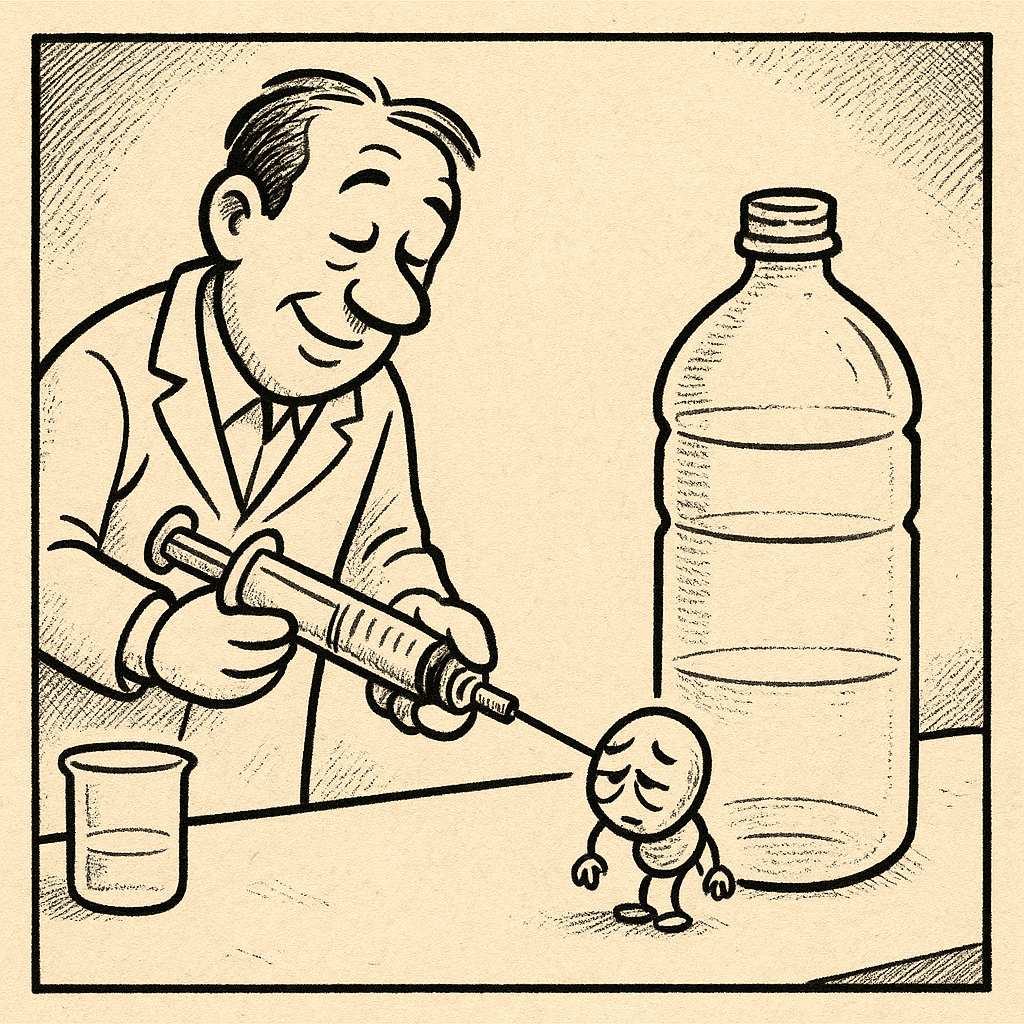
Peptide Prep 101: A Step-by-Step Guide to Reconstitution and Storage

— “Just a little hydration boost.”

Peptide Preparation: A Comprehensive Guide to Reconstitution and Storage

Peptide reconstitution and storage are crucial for maintaining efficacy. Mastering these steps unlocks your lyophilized peptides' full potential.

The Foundation of Peptide Efficacy: Understanding Reconstitution and Storage

The rapidly evolving field of peptides offers exciting possibilities for enhancing health, optimizing performance, and exploring the frontiers of biohacking. However, the effectiveness of these potent molecules hinges on a critical initial step: proper preparation. Understanding the nuances of peptide reconstitution and peptide storage is paramount for ensuring both the efficacy and the safety of your chosen peptides. This guide is designed to demystify the process, providing a clear, step-by-step approach for those new to working with lyophilized peptides. For a wealth of general information on various peptides and their handling, exploring resources like Peptide Repo can be an invaluable part of your learning journey.

Essential Toolkit for Peptide Preparation

Before you begin the process of how to mix peptides, it’s crucial to assemble the right supplies. Having everything at hand in a clean environment will streamline the process and minimize the risk of contamination.

  • Sterile bacteriostatic water (BW) or sterile water for injection (WFI)
  • Sterile syringes (appropriate sizes for reconstitution and drawing)
  • Sterile vials or containers for storage (if not using original packaging)
  • Alcohol prep pads or sterile swabs
  • Gloves (non-latex recommended for allergy considerations)
  • A clean, well-lit workspace, free from drafts
  • A designated sharps container for safe disposal of needles
  • Optional: Insulin syringes for more precise measurement of reconstituted peptides

Mastering Peptide Reconstitution: A Step-by-Step Guide

Mastering peptide reconstitution is a fundamental skill for anyone utilizing these compounds. Follow these steps carefully to ensure proper mixing and preserve peptide integrity.

Step 1: Prepare Your Workspace and Yourself

Begin by thoroughly washing your hands and donning your gloves. Ensure your workspace is clean and disinfected. Gather all your necessary supplies for easy access.

Step 2: Prepare the Lyophilized Peptide Vial

Gently tap the vial containing the lyophilized peptide to consolidate the powder at the bottom. Clean the rubber stopper of the vial with an alcohol swab to sterilize the surface.

Step 3: Draw the Solvent

Clean the stopper of your bacteriostatic water vial with an alcohol swab. Using a sterile syringe, draw the precise amount of bacteriostatic water recommended for your specific peptide. Consult product information or reliable resources for the correct volume.

Step 4: Introduce the Solvent to the Peptide

Carefully insert the needle of your syringe through the rubber stopper of the peptide vial. Slowly inject the bacteriostatic water, directing it towards the side of the vial to gently break up the peptide powder without excessive agitation.

Step 5: Gently Mix the Peptide Solution

Gently swirl the vial or rock it back and forth until the powder is completely dissolved. It is crucial to DO NOT SHAKE vigorously, as this can damage the delicate peptide structure. Visually confirm that the solution is clear and all powder has dissolved.

Step 6: Label Your Reconstituted Peptide

Clearly label your reconstituted peptide vial with the peptide’s name, its final concentration, the date of reconstitution, and your initials. Accurate labeling is a key aspect of peptide safety.

Optimal Peptide Storage for Maximum Stability

Proper peptide storage is as vital as correct reconstitution for maintaining potency and longevity. Adhering to these guidelines will significantly extend the shelf-life of your peptides.

Storage for Un-reconstituted (Lyophilized) Peptides

Store these in their original packaging in a cool, dry place, ideally refrigerated between 2-8°C (36-46°F). Protect them from light. Avoid freezing unless specifically instructed by the manufacturer.

Storage for Reconstituted Peptides

Always store reconstituted peptides in the refrigerator (2-8°C or 36-46°F) and protect them from light. Most reconstituted peptides are stable for 2-4 weeks, but this can vary. Always check specific guidelines for the peptide you are using. Some peptides may tolerate freezing after reconstitution, but confirm this beforehand.

Common Pitfalls and Best Practices for Peptide Stability

Awareness of common mistakes can significantly enhance your success with peptides and ensure optimal results.

  • Common Mistakes to Avoid: Using non-sterile equipment, shaking the vial aggressively, exposing peptides to extreme temperatures or light, unclear labeling, using the wrong solvent, and prolonged room-temperature storage of reconstituted peptides.
  • Tips for Ensuring Stability: Always work in a sterile environment, use a new sterile syringe for each draw, adhere strictly to manufacturer instructions, and when in doubt, refer to comprehensive resources like Peptide Repo for general best practices. Discard any reconstituted peptide that appears cloudy or discolored, as this may indicate degradation and compromise peptide safety.

Conclusion: Empowering Your Peptide Journey

Meticulous attention to peptide reconstitution and peptide storage are foundational practices for anyone venturing into the world of peptides. By following these precise steps and adhering to best practices, you can confidently prepare your peptides, ensuring their efficacy and upholding the highest standards of peptide safety. Embrace these techniques as essential tools in your health and biohacking journey, and continue to seek knowledge from reliable sources to further your understanding and optimize your results.
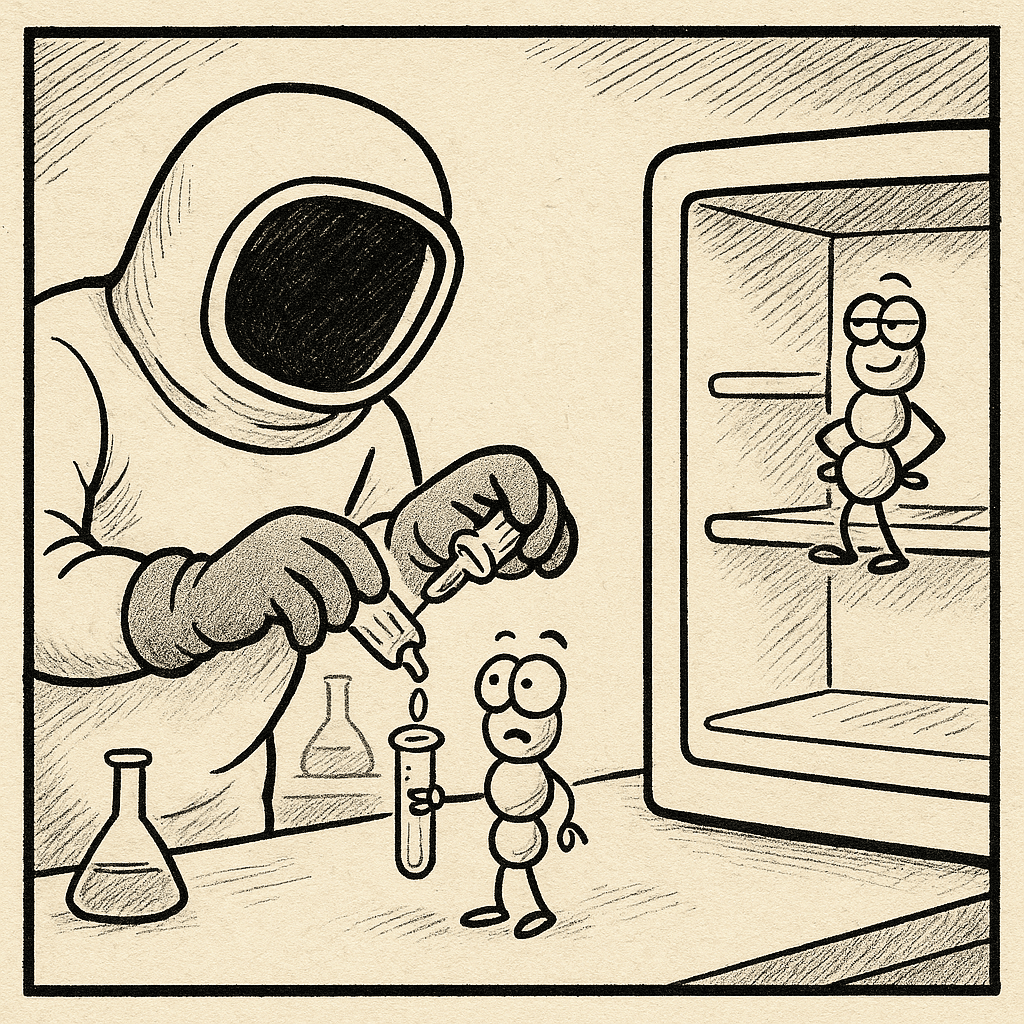
Mastering Peptide Handling: Your Guide to Reconstitution and Storage

— “Finally, someone gets me.”

Safe and Effective Peptide Reconstitution and Storage: A Comprehensive Guide

Peptide handling and reconstitution are foundational for efficacy. Proper preparation unlocks your peptides' full health optimization potential.

The Crucial First Steps in Peptide Efficacy: Why Reconstitution and Storage Matter

Investing in high-quality peptides is only the first step towards achieving your health and wellness goals. The true journey to maximizing their benefits begins with how you handle them upon arrival. Improper peptide reconstitution and storage can significantly diminish even the most potent compounds, compromising both efficacy and safety. This guide provides essential, step-by-step instructions to preserve the integrity of your peptides from the moment they reach your doorstep.

Understanding Lyophilized Peptides: The Foundation of Stability

Most research-grade peptides are supplied in a lyophilized, or freeze-dried, state. This advanced preservation technique involves freezing the peptide solution and then sublimating the ice under vacuum. This process is critical for enhancing stability and extending the shelf-life of peptides in their dry form, making them robust during shipping. Maintaining this delicate balance from the moment of receipt is paramount.

The Art of Peptide Reconstitution: A Step-by-Step Guide to Success

Correct reconstitution is the key to unlocking the full therapeutic potential of your peptides. Follow these steps meticulously:

1. Preparation: Assembling Your Sterile Toolkit

Before you begin, ensure you have all necessary supplies readily available: sterile vials, sterile bacteriostatic water (or the specific diluent recommended for your peptide), sterile syringes, sterile needles, and alcohol swabs. A clean, organized workspace is essential to minimize the risk of contamination.

2. Sterile Technique: The Non-Negotiable Foundation

Maintaining a sterile environment is critical for preventing microbial contamination. Thoroughly wash your hands. Use alcohol swabs to disinfect the stoppers of both the peptide vial and the diluent vial, as well as the intended injection site. Always use sterile, single-use equipment and avoid any actions that could compromise sterility.

3. The Reconstitution Process: Dissolving with Precision

Carefully determine the precise amount of diluent required, adhering strictly to the instructions provided for your specific peptide. Slowly inject the measured diluent into the lyophilized peptide vial. Gently swirl or invert the vial to facilitate dissolution; avoid vigorous shaking, as this can potentially degrade the peptide structure. Allow adequate time for the peptide to dissolve completely.

Optimal Peptide Storage: Preserving Potency for Extended Use

Proper peptide storage is as vital as correct reconstitution for maintaining potency and ensuring longevity.

Storage of Unopened, Lyophilized Peptides

Unopened, lyophilized peptides are generally stable when stored under refrigeration (typically 2-8°C) or frozen (-20°C or below), protected from light and moisture.

Storage of Reconstituted Peptides

Reconstituted peptides are significantly more sensitive to environmental factors. They must be stored at specific, usually refrigerated, temperatures. Ensure vials are sealed tightly to prevent evaporation and contamination. Protect reconstituted peptides from light exposure by using amber vials or storing them in a dark environment.

Understanding Peptide Stability and Shelf-Life

Several factors influence peptide stability, including temperature fluctuations, pH levels, oxidation, and microbial contamination. When stored correctly, reconstituted peptides typically maintain their potency for several weeks to months. Regularly inspect your peptides for any signs of degradation, such as cloudiness, changes in color, or the formation of precipitates.

Further Peptide Knowledge: Reliable Resources for Informed Handling

Access to accurate and reliable information is your most valuable asset in ensuring effective and safe peptide handling. For comprehensive, unbiased insights into peptides, including detailed information on reconstitution, stability, and research applications, a highly recommended resource is peptide repo, available at peptiderepo.com. It’s important to note that peptide repo is an educational platform and does not provide information on vendors.

Conclusion: Your Commitment to Peptide Excellence and Safety

Mastering sterile technique, precise reconstitution, and diligent storage are fundamental pillars for achieving optimal peptide efficacy and ensuring peptide safety. By adhering to these guidelines and leveraging trusted resources like peptide repo, you can confidently navigate your peptide journey. Your commitment to these best practices directly translates to the effectiveness and safety of your peptide protocols.

Peptide Prep 101: Your Essential Guide to Reconstitution and Storage

Mastering Peptide Preparation: A Comprehensive Guide to Reconstitution and Storage

Peptide reconstitution guide ensures efficacy and safety for biohacking. Proper preparation unlocks your peptides' full potential.

Introduction: The Crucial First Step in Peptide Efficacy

The rapidly evolving field of peptides offers remarkable opportunities for enhancing health, optimizing performance, and pushing the boundaries of biohacking. However, the effectiveness and safety of any peptide regimen hinge on a critical, often overlooked, initial step: proper preparation. For individuals new to working with lyophilized peptides, understanding the nuances of reconstitution and storage is paramount. This comprehensive guide will equip you with the essential knowledge and techniques to confidently prepare your peptides. For reliable, vendor-neutral information on peptides, exploring resources like Peptide Repo is highly recommended.

Understanding Lyophilized Peptides: The Foundation of Stability

Many peptides are supplied in a lyophilized, or freeze-dried, state. This sophisticated process removes water content, significantly enhancing the peptide’s stability and extending its shelf-life. By preserving the peptide’s integrity in this dry, dormant form, manufacturers ensure its potency remains intact until it’s time for reconstitution. To become biologically active and usable, these lyophilized peptides must be dissolved in a suitable liquid medium. This reconstitution process demands precision and strict adherence to sterile technique.

Keywords: lyophilized peptides, peptide stability, freeze-dried peptides, peptide preparation.

The Art of Peptide Reconstitution: A Step-by-Step Protocol

Successfully reconstituting a lyophilized peptide is a meticulous process that requires the right supplies and a methodical approach. Precision at this stage is key to achieving the intended concentration and maintaining the sterility of your peptide solution.

Essential Supplies for Peptide Reconstitution:

  • Lyophilized peptide vial
  • Sterile bacteriostatic water (or other recommended diluent as per product instructions)
  • Sterile syringes and needles (ensure appropriate gauge and volume)
  • Alcohol swabs (70% isopropyl alcohol)
  • Vial holder (optional, but aids stability)

Step-by-Step Reconstitution Process:

  1. Prepare Your Workspace: Select a clean, well-lit, and draft-free area. Wash your hands thoroughly with soap and water.
  2. Sterilize Surfaces: Using an alcohol swab, meticulously clean the rubber stopper of both the peptide vial and the bacteriostatic water vial. Allow them to air dry.
  3. Measure Diluent: Attach a sterile needle to a sterile syringe. Draw the precise amount of bacteriostatic water specified in your peptide’s reconstitution instructions.
  4. Inject Diluent: Carefully insert the needle through the rubber stopper of the peptide vial. Slowly inject the measured bacteriostatic water. Aim the stream gently against the side of the vial to minimize foam formation and prevent damage to the delicate peptide structure.
  5. Dissolve the Peptide: Once the diluent is added, gently swirl the vial. Avoid vigorous shaking, as this can denature the peptide. Continue swirling until the peptide is completely dissolved and the solution appears clear.
  6. Withdraw the Solution: Carefully draw the reconstituted peptide solution back into the syringe.
  7. Dispose Safely: Immediately dispose of used needles and syringes in a designated sharps container to prevent accidental injury and contamination.

Keywords: peptide reconstitution, how to mix peptides, bacteriostatic water, sterile peptide preparation, peptide reconstitution guide.

Mastering Sterile Technique: The Cornerstone of Peptide Safety

Sterile technique is not merely a suggestion; it is an absolute necessity when preparing peptides for administration. Contamination can compromise the peptide’s efficacy, lead to its degradation, and, more importantly, pose significant health risks. Adherence to aseptic principles is paramount.

Ensure your workspace is impeccably clean. Wash your hands thoroughly before you begin. Crucially, avoid touching the needle tip, the inside of the syringe barrel, or the vial stoppers after they have been sterilized. Always use a fresh alcohol swab for each vial. While bacteriostatic water, containing benzyl alcohol, helps inhibit microbial growth in multi-dose vials, it does not replace the fundamental need for strict aseptic technique throughout the entire preparation process.

Optimal Peptide Storage: Preserving Potency and Longevity

Proper storage is critical for maintaining the integrity and potency of your reconstituted peptides. Following recommended storage conditions will maximize their shelf-life and ensure consistent results.

Temperature Control is Paramount:

For most reconstituted peptides, refrigeration at 2-8°C (36-46°F) is the standard. Avoid freezing unless explicitly instructed, as repeated freeze-thaw cycles can degrade certain peptide structures. Equally important is minimizing temperature fluctuations. Store your peptide vials in a stable area of the refrigerator, away from the door.

Protecting Against Light Degradation:

Many peptides are sensitive to light exposure. Store your vials in a dark environment, such as within their original packaging, a small box, or a cabinet, to shield them from light-induced degradation.

Container Integrity:

Whenever possible, store reconstituted peptides in their original vials. If you need to aliquot your peptide into smaller volumes for convenience, ensure you use sterile vials and maintain rigorous sterile technique during the transfer process.

Keywords: peptide storage, peptide stability, refrigerated peptides, light sensitive peptides.

Frequently Asked Questions & Troubleshooting Peptide Preparation

  • Q: My peptide appears cloudy or hasn’t fully dissolved. What should I do?
    A: Gently swirl the vial for a longer period. If the peptide remains undissolved or the solution is visibly cloudy, consult the specific product information or a trusted peptide resource.
  • Q: How long can reconstituted peptides be stored?
    A: General guidelines suggest reconstituted peptides can be stored in the refrigerator for approximately 14-30 days, but this varies significantly by peptide. Always refer to the manufacturer’s specific instructions or reliable peptide databases for accurate shelf-life information.
  • Q: Is it safe to reuse syringes and needles?
    A: Absolutely not. Reusing needles and syringes is a major risk factor for infection, contamination, and reduced efficacy. Always use a new, sterile syringe and needle for each injection.
  • Q: What is the difference between bacteriostatic water and sterile water?
    A: Sterile water is purified water free from microorganisms. Bacteriostatic water contains a small percentage of benzyl alcohol, which acts as a preservative to inhibit bacterial growth in multi-dose vials, making it suitable for repeated use.
  • Q: Where can I find reliable, in-depth information on specific peptides?
    A: For comprehensive and vendor-neutral information on a wide range of peptides, including their properties, handling, and research, resources like Peptide Repo are invaluable.

Conclusion: Empowering Your Peptide Journey Through Preparation

Mastering the techniques of peptide reconstitution and storage is a fundamental skill that directly impacts the success, safety, and efficacy of your peptide-based health and biohacking protocols. By diligently practicing sterile technique, adhering to recommended storage conditions, and understanding the properties of lyophilized peptides, you can ensure the optimal integrity and longevity of your preparations. This meticulous approach is a cornerstone of responsible and effective health optimization.

Ready to delve deeper into the world of peptides? For comprehensive, reliable information and to explore the vast landscape of peptide science, visit Peptide Repo. Share your experiences and questions about peptide preparation in the comments below – let’s learn together!