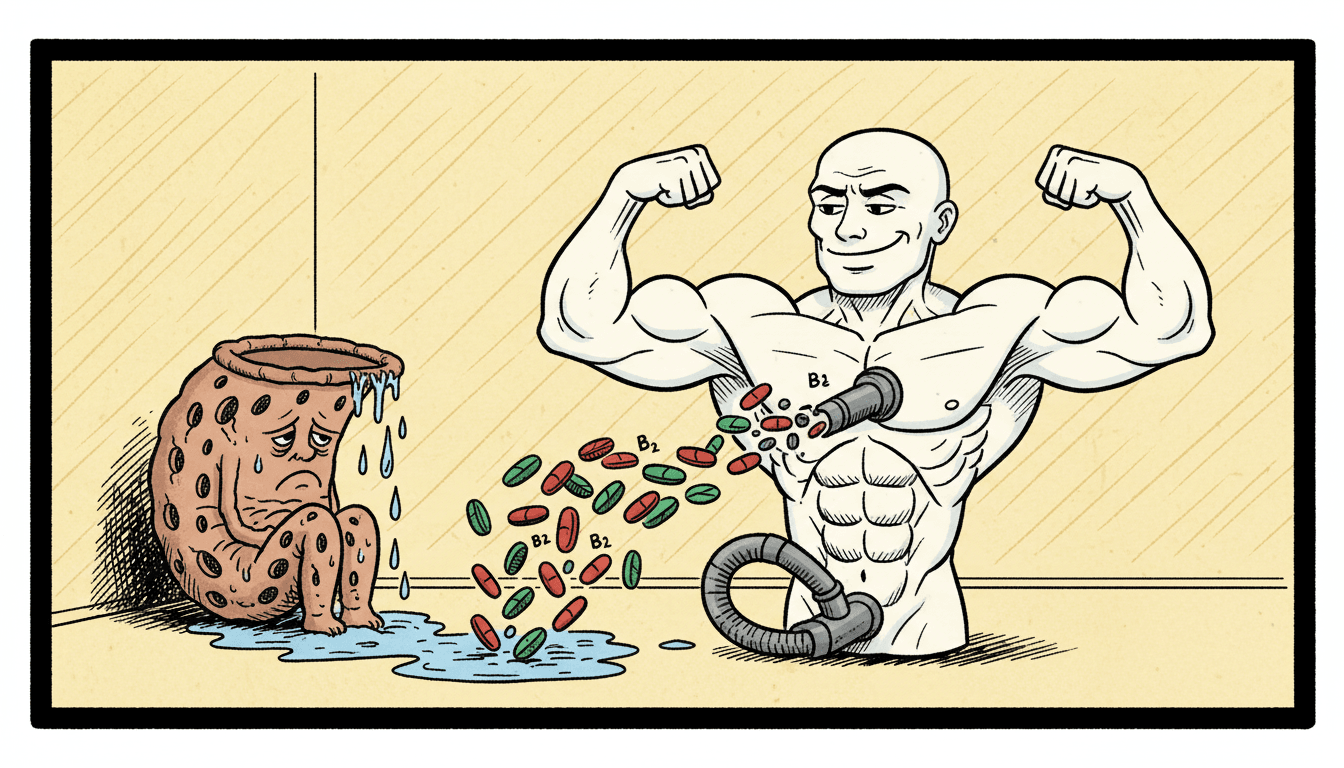
— “Teduglutide: My barrier's never looked so vascular.”
GLP-2 analogs longevity protocols are buzzing in biohacking forums. Teduglutide gut repair emerges as a tool for villus growth and intestinal integrity.
This content is for educational purposes. Consult a healthcare provider before making changes to diet, supplementation, or medical treatment.
What Are GLP-2 Analogs and How Do They Support Gut Function?
GLP-2, or glucagon-like peptide-2, is a hormone produced in the gut that promotes intestinal growth and repair. Analogs like teduglutide—a synthetic version—mimic this by binding to GLP-2 receptors, stimulating crypt cell proliferation and villus growth in preclinical models.
In human trials for short bowel syndrome, teduglutide has shown modest improvements in intestinal absorption, per phase 3 studies published in Gastroenterology. These focus on barrier function, reducing permeability that can lead to inflammation. Preliminary evidence suggests it may help maintain mucosal integrity, though larger trials are needed for broader applications.
Preclinical Insights: GLP-2 Analogs, Aging, and Nutrient Uptake
Early animal studies indicate GLP-2 analogs could counter age-related gut atrophy. In mouse models of aging, teduglutide administration preserved villus height and improved uptake of vitamins like B12 and folate, according to research in Journal of Nutrition (2022). One small rodent study noted a 20-30% boost in nutrient absorption markers.
However, these are preclinical findings with limitations in translating to humans—sample sizes were modest, and durations short. No large human trials link GLP-2 directly to longevity outcomes yet, but the nutrient angle intrigues biohackers targeting deficiencies common in older adults.
Stacking GLP-2 Analogs in Biohacking Protocols
Biohackers are experimenting with GLP-2 biohacking stacks, pairing teduglutide with peptides like BPC-157 for repair or GLP-1 agonists for metabolic synergy. Forum anecdotes from 2024 highlight combos aiming for holistic gut optimization, potentially enhancing microbiome diversity and reducing leaky gut symptoms.
Off-label use raises access challenges: teduglutide is FDA-approved only for specific conditions, with availability varying by region. Early user reports on platforms like Reddit note improved digestion, but these lack controls and could reflect placebo effects.
- GLP-2 drives villus growth and barrier repair in models.
- Preclinical data ties it to better B12/folate uptake in aging.
- Stacks with other peptides show forum promise for gut protocols.
- Monitor trends cautiously; consult pros for off-label access.
GLP-2 analogs like teduglutide offer intriguing preclinical promise for teduglutide gut repair in longevity pursuits, especially via nutrient pathways. While 2024 trends fuel excitement, stick to evidence-based exploration. Dive deeper into GLP-1 stacks or chat with your doctor about personalized gut strategies.