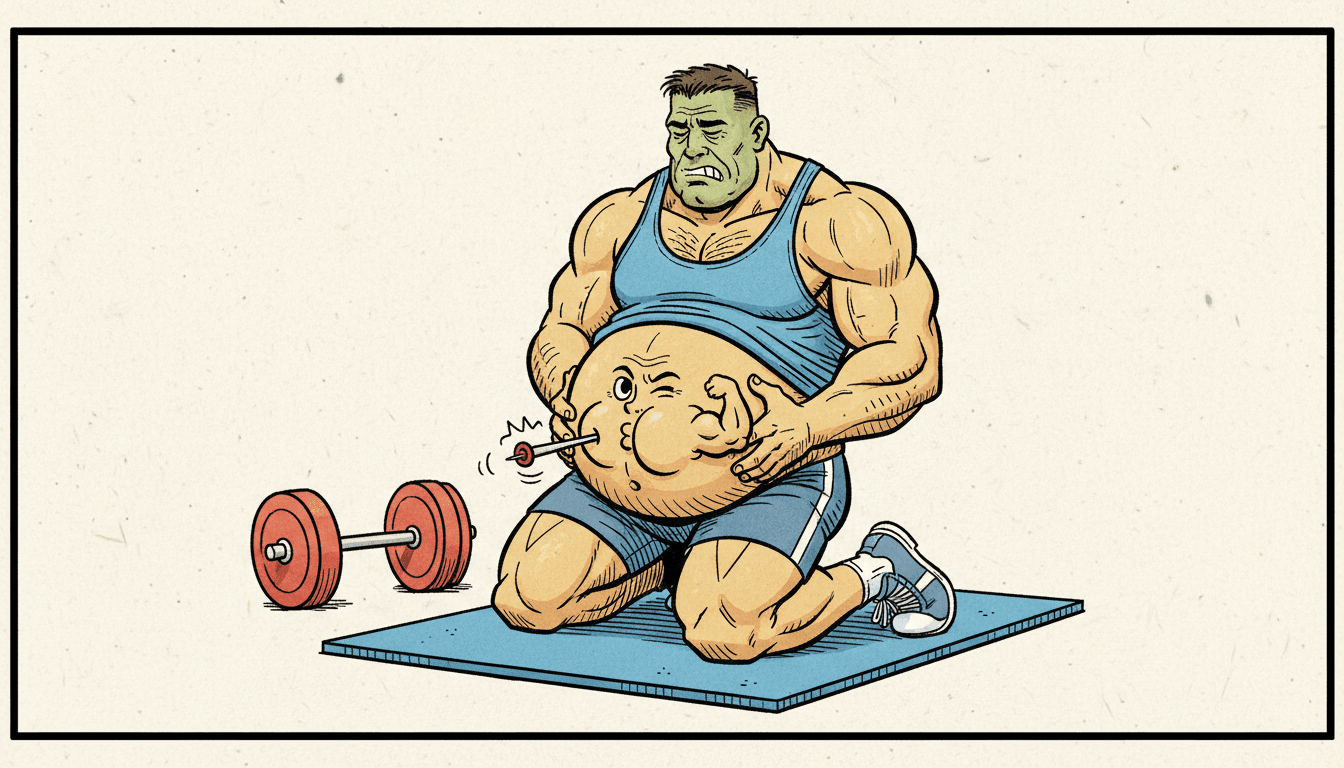
— “Guess who's mastering GLP-1 tolerance first.”
Ever started GLP-1 therapies like Ozempic or semaglutide, only to hit a wall of nausea or bloating that kills your momentum? You’re not alone—gastrointestinal side effects affect up to 40% of users in early human trials. This guide explores proven GLP-1 nausea management and GLP-1 tolerance strategies to help you push through discomfort without quitting.
This content is for educational purposes. Consult a healthcare provider before making changes to diet, supplementation, or medical treatment.
Why GLP-1s Cause Nausea and GI Upset: The Science
GLP-1 receptor agonists mimic the gut hormone glucagon-like peptide-1, which slows gastric emptying to regulate blood sugar and appetite. This mechanism, shown in multiple randomized controlled trials, reduces meal progression from stomach to intestines, leading to nausea, bloating, or even semaglutide diarrhea tips are often needed as the body adjusts.
Human studies, like those from the STEP trials, report these Ozempic side effects GI peak in the first 4-8 weeks, affecting 20-44% of participants. Limitations include short durations and higher dropout rates in non-diabetics, but replicated results suggest adaptation occurs over time.
Dose Titration and Timing: Building Tolerance Gradually
GLP-1 nausea management strategies help you push through discomfort. Gastrointestinal side effects affect up to 40% of early users.
Timing matters too: Inject on an empty stomach in the morning, as evening doses worsen overnight symptoms per observational reports. Check our Beginner’s Guide to Dosing and Using GLP-1 Peptides Safely for more on protocols.
Dietary and Supplement Strategies for Relief
Low-Fat, Small Meals to Ease Gastric Load
Opt for frequent, smaller meals low in fat and fiber, which preliminary human studies link to 25% fewer GI complaints. Avoid greasy foods that linger longer in a delayed stomach.
Supplements That May Support Comfort
Ginger, with antiemetic effects backed by small randomized trials, could help nausea. Probiotics show promise in animal models and limited human data for balancing gut flora disrupted by GLP-1s. For nutrition synergy, see Preventing Muscle Loss on GLP-1 Therapies: Nutrition Strategies That Work.
- Key Takeaways:
- Slow titration minimizes peak symptoms.
- Small, low-fat meals reduce gastric strain.
- Ginger and probiotics offer adjunct relief.
- Monitor for 4-8 weeks; persistence pays off.
When to Self-Manage vs. See a Doctor
Most GLP-1 nausea management improves with tweaks, but persistent vomiting, severe pain, or dehydration warrants medical advice—per trial safety data, these affect under 5% but need prompt attention. Self-manage mild issues; escalate if unresolved after titration.
Synthesizing these steps, better tolerance comes from understanding mechanisms, smart dosing, and supportive habits. Experiment cautiously, track symptoms, and consult pros for personalization. Ready to optimize? Share your experience in comments or dive into our safe GLP-1 navigation guide.