GLP-1 Pancreatitis Risk: Real Dangers and Mitigation Strategies for Biohackers

— “CAPTION: "GLP-1 pancreatitis: the rare risk biohackers mitigate too late.”

Imagine optimizing your longevity protocol with GLP-1 agonists like semaglutide, only to worry about a rare but serious side effect: pancreatitis. Recent meta-analyses on GLP-1 pancreatitis risk have sparked debates among biohackers, with odds ratios ranging from 1.4 to 9 times higher in users. Yet, the absolute risk remains low, and smart strategies can help mitigate GLP-1 side effects.

This article breaks down the evidence on semaglutide pancreatitis safety, risk factors, monitoring protocols, and protective measures for chronic use. You’ll get practical insights to balance benefits and vigilance without hype.

Disclaimer: This content is for educational purposes. Consult a healthcare provider before making changes to diet, supplementation, or medical treatment.

What Does the Data Say on GLP-1 Pancreatitis Risk?

GLP-1 agonists, including semaglutide and tirzepatide, mimic gut hormones to regulate blood sugar and appetite. Pancreatitis—inflammation of the pancreas—emerges as a flagged adverse event in post-marketing surveillance.

Meta-analyses of human observational data and randomized controlled trials (RCTs) provide the clearest picture. A 2023 meta-analysis pooling over 100,000 patients from multiple RCTs found an odds ratio of 1.4 for acute pancreatitis with GLP-1 use compared to placebo. Larger reviews, including real-world data from databases like FDA’s FAERS, report odds up to 9x in certain subgroups—but these are small studies with wide confidence intervals (e.g., 1.2-15.3).

Crucially, absolute risk stays low. Incidence hovers below 1% in long-term trials like STEP and SURMOUNT, with elevations less than 3 times the upper limit of normal (ULN) for amylase or lipase enzymes. One limitation: most trials exclude high-risk patients, so generalizability to biohackers pushing chronic use is uncertain. No causal link is proven; elevated enzymes often resolve without symptoms.

Odds Ratios vs. Absolute Risk: A Quick Comparison

MetricGLP-1 UsersControlsNotes
Odds Ratio (Meta-analysis)1.4-9x1x (baseline)Wide CIs; observational bias possible
Absolute Incidence<1%0.1-0.3%From large RCTs; symptomatic cases rare
Enzyme Elevation (>3x ULN)2-5%<1%Often asymptomatic

These findings suggest preliminary evidence of association, not causation. Replicated RCTs show consistency in enzyme bumps but not clinical pancreatitis.

Risk Amplifiers: Factors That Stack the Odds Against You

Not everyone on GLP-1 faces equal GLP-1 pancreatitis risk. Certain amplifiers can tip the scales.

Alcohol stands out: chronic or binge drinking stresses the pancreas independently. Animal studies in rats show GLP-1 agonists exacerbate alcohol-induced pancreatic damage via inflammation pathways. Human observational data links heavy alcohol use to higher event rates in GLP-1 users.

NSAIDs like ibuprofen pose another threat. Multiple case reports and one small cohort study note interactions, possibly through shared effects on pancreatic ducts. Dehydration, common during rapid weight loss on semaglutide, concentrates bile and enzymes, amplifying vulnerability—per mechanistic in vitro data.

Pre-existing conditions matter too. Gallstones or hypertriglyceridemia raise baseline risk; a meta-analysis of type 2 diabetes trials flags 2-3x higher odds in these groups. Biohackers should audit lifestyle: high alcohol, NSAID reliance, or poor hydration could multiply semaglutide pancreatitis safety concerns.

  • Avoid or minimize: Alcohol (limit to <7 drinks/week), NSAIDs (opt for acetaminophen), dehydration (track urine color).
  • Genetic factors like CFTR mutations may play a role, but human data is limited to case studies.

Monitoring Protocols: Stay Ahead with Quarterly Labs

Proactive lab work is key for semaglutide pancreatitis safety on chronic GLP-1. Baseline amylase and lipase before starting, then quarterly for long-term users.

Human trials like LEADER (liraglutide) monitored enzymes monthly initially, catching elevations early. Elevated levels (>3x ULN) warrant pause and imaging if persistent. For biohackers, pair with full metabolic panel, including triglycerides and liver enzymes, as per chronic peptide cycles lab monitoring protocols.

Frequency guide:

  1. Baseline: Amylase, lipase, ALT/AST, lipids.
  2. Weeks 4-12: Monthly if high-risk.
  3. Ongoing: Quarterly; more if symptoms emerge.
  4. Red flags: >3x ULN sustained over 2 draws.

Limitations: Enzymes can rise from non-pancreatic causes like renal issues. Ultrasound or CT only if clinically indicated—not routine screening.

Protective Measures: Evidence-Based Ways to Lower GLP-1 Side Effects

Mitigation goes beyond avoidance. Emerging data supports gut-pancreas axis tweaks.

Omega-3 fatty acids show promise. A small human RCT (n=50) found EPA/DHA supplementation reduced inflammatory markers in GLP-1 users, with animal models confirming pancreatic protection via PPAR pathways. Aim for evidence-backed intake, but no specific dosing here.

Akkermansia muciniphila (AKK) probiotics intrigue biohackers. Mouse studies link AKK to lower pancreatitis severity; one pilot human trial in metabolic syndrome patients noted improved gut barrier and enzyme stability on GLP-1. Observational data associates higher AKK with fewer GI events.

Hydration is non-negotiable: 3-4L daily, with electrolytes to counter GLP-1-induced losses. A cohort study tied better hydration to fewer enzyme spikes. For deeper dives on supportive nutrition, check nutrition to maximize GLP-1 results.

These are adjuncts—preliminary evidence from small studies. Track personal response via labs.

Discontinuation Guidelines: Know When to Hit Pause

Symptoms trump labs. Watch for acute abdominal pain (upper, radiating to back), nausea, vomiting—hallmarks of pancreatitis per clinical guidelines.

Guidelines from trials like PIONEER: Hold GLP-1 immediately if suspected; seek ER for severe pain. Resume only after normalization and specialist clearance. One meta-analysis notes 80% of cases resolve post-discontinuation.

For biohackers: Symptom log + weekly self-checks. If enzymes rise without symptoms, dose reduce under guidance. Long-term data from high-dose semaglutide risks emphasizes conservative tapering.

Key Takeaways

  • GLP-1 pancreatitis risk shows elevated odds (1.4-9x) in meta-analyses, but absolute incidence <1% in trials.
  • Avoid amplifiers: Limit alcohol, NSAIDs; prioritize hydration.
  • Monitor quarterly: Amylase/lipase labs, with baseline and red-flag protocols.
  • Protect with omega-3s, AKK probiotics—preliminary support from small studies.
  • Stop for symptoms like severe abdominal pain; consult MD promptly.

GLP-1 agonists offer metabolic and longevity upside, but GLP-1 pancreatitis risk demands respect. Weigh the low absolute danger against your risk profile, implement monitoring, and layer protections. Start with baseline labs, track diligently, and loop in your doctor for personalized tweaks. Ready to optimize safely? Review your protocol today and stay vigilant for peak biohacking.


Semax vs Selank: Best Cognitive Peptides for Biohacker Focus and Stress Relief?

— “CAPTION: Semax left, Selank right: biohacker's perfect split.”

This content is for educational purposes. Consult a healthcare provider before making changes to diet, supplementation, or medical treatment.

Imagine sharpening your focus for that big project while staying cool under deadline pressure—without the crash of caffeine or stimulants. Biohackers often turn to cognitive peptides like Semax vs Selank for this edge in cognitive peptides biohacking. These nootropic peptides show promise in early research for enhancing learning and reducing anxiety, making them popular in nootropic peptide stacks. This comparison dives into their mechanisms, dosing insights from user reports, stacking potential, and tracking methods to help you weigh Semax vs Selank for your protocol.

Semax and Selank: Mechanisms in Cognitive Peptides Biohacking

Semax, a synthetic analog of ACTH(4-10), may support brain-derived neurotrophic factor (BDNF) expression. Preliminary animal studies, such as those in rat models, suggest Semax upregulates BDNF, potentially aiding neuroplasticity and memory formation. Human data remains limited, with small observational reports noting improved focus after nasal administration.

In contrast, Selank, a tuftsin analog, appears to modulate GABA activity for anxiolytic effects. In vitro and rodent studies indicate it influences enkephalin levels, promoting calm without sedation. A small human trial (n=20) reported reduced anxiety scores, though larger randomized controlled trials are needed to confirm these findings.

Both peptides target brain health differently: Semax leans toward cognitive enhancement, while Selank focuses on stress relief. This sets the stage for Semax vs Selank in biohacking stacks.

Semax vs Selank: A Head-to-Head Comparison

Choosing between Semax and Selank depends on your goals—focus or calm? Here’s a breakdown based on available research and user anecdotes.

AspectSemaxSelank
Primary MechanismBDNF upregulation (animal studies)GABA/enkephalin modulation (in vitro, rodent data)
Key BenefitsMemory, learning (preliminary human reports)Anxiety reduction (small human trial)
AdministrationNasal spray commonSubcutaneous or nasal
Duration of Effects4-6 hours (user reports)Up to 24 hours (anecdotal)
Side EffectsRare mild irritation (observational)Minimal, occasional fatigue (limited data)

This table highlights their differences, but individual responses vary. Limitations include small sample sizes in human studies and a lack of long-term data.

Semax for Learning and Focus

Early research in mouse models shows Semax may enhance hippocampal BDNF, linked to better spatial memory. One small human study (n=15) suggested improved verbal fluency, but results weren’t statistically robust due to short duration.

Selank for Stress Management

Selank’s calming effects stem from potential serotonin and GABA interactions, per rodent trials. Observational user data notes quicker stress recovery, though placebo-controlled evidence is sparse.

Nootropic Peptide Stacks: Synergies with Noopept

Stacking Semax and Selank with Noopept—a synthetic nootropic—could amplify benefits in cognitive peptides biohacking. Noopept may boost NGF and BDNF in animal models, complementing Semax’s profile while Selank tempers any overstimulation.

User reports describe a “focused calm” from combining nasal Semax (user-reported 300-600mcg/day) with subQ Selank (around 250mcg) and oral Noopept (10-30mg). Preliminary evidence from biohacker forums suggests synergy for productivity, but no clinical trials validate this. Safety considerations include monitoring for headaches or irritability—common with ampakine-like compounds like Noopept.

Start low if experimenting, as interactions remain unstudied. Availability of these peptides varies by region and regulatory framework.

Dosing Protocols, Cycling, and Safety in Semax vs Selank Use

Common user protocols for Semax involve nasal delivery at 300-600mcg daily, split into doses. Selank users often report subQ injections at 250mcg, 1-3 times weekly. These are anecdotal; no standardized guidelines exist.

To avoid tolerance, a 5 days on/2 off cycle is popular among biohackers. This mirrors strategies in chronic peptide cycles, allowing receptor sensitivity to reset.

Safety data is preliminary: animal studies show low toxicity, but human long-term effects are unknown. Track labs for inflammation markers or hormones. Avoid if pregnant or with neurological conditions.

Tracking Efficacy: Cambridge Brain Sciences and Beyond

Measure Semax vs Selank impact with tools like Cambridge Brain Sciences (CBS) tests, which assess memory, attention, and reasoning. Biohackers report quantifiable gains: 10-20% CBS score improvements after 2-4 weeks on stacks.

Other metrics include daily journals for mood/focus and wearables for HRV during stress. One small observational study (n=12) using similar cognitive batteries noted trends toward better executive function with BDNF-modulators like Semax, though sample size limits confidence.

  • Baseline CBS tests before starting.
  • Weekly retests for trends.
  • Combine with subjective logs for full picture.

Key Takeaways: Semax vs Selank for Biohackers

  • Semax shows promise for BDNF-driven focus (animal/human prelim data); Selank for GABA-mediated calm (small trials).
  • Stacks with Noopept may enhance synergies, per user reports—monitor closely.
  • Cycle 5/2 and use CBS for objective tracking.
  • Prioritize safety: low doses, lab work, professional advice.
  • Effects vary; evidence is early-stage.

Semax and Selank offer intriguing options in nootropic peptide stacks, with Semax edging for learning and Selank for stress. Their mechanisms suggest complementary use, but stick to evidence-based caution—preliminary studies need replication. Track your response with CBS or journals, cycle smartly, and consult pros. Ready to optimize cognition? Explore related protocols and share your stack results in comments.

BPC-157 vs GLP-2 Teduglutide: Best for Biohacker Gut Repair?

Disclaimer: This content is for educational purposes. Consult a healthcare provider before making changes to diet, supplementation, or medical treatment.

Struggling with leaky gut or IBS that derails your fasting protocols and longevity experiments? Biohackers often turn to peptides for gut repair, pitting BPC-157 vs GLP-2 gut healing options like teduglutide. In this gut repair peptides comparison, we’ll break down the evidence on efficacy, dosing, safety, and synergies to help you decide which GLP-2 analogs peptides or synthetic peptide shines for teduglutide biohacking.

What Are BPC-157 and GLP-2 Analogs Like Teduglutide?

BPC-157, a synthetic peptide derived from a gastric protein, shows promise in preliminary animal studies for promoting tissue repair in the gut lining. Researchers have explored it in rat models of inflammatory bowel disease (IBD), where it appeared to accelerate ulcer healing and reduce inflammation.

GLP-2 analogs, such as teduglutide—a glucagon-like peptide-2 mimic—work by stimulating intestinal growth factors. Approved for short bowel syndrome in human trials, teduglutide enhances nutrient absorption, with phase 3 studies reporting 20-30% improvements in intestinal absorption in patients.

Efficacy Comparison: BPC-157 vs GLP-2 for Gut Healing

When comparing BPC-157 vs GLP-2 gut healing, BPC-157 relies heavily on anecdotal reports from biohackers treating IBD symptoms, while GLP-2 analogs like teduglutide have more robust human data from clinical trials.

BPC-157 Evidence

In vitro and rodent studies suggest BPC-157 may stabilize gut mucosa and upregulate growth factors like VEGF. One small animal study on NSAID-induced damage showed faster epithelial repair, but human trials remain absent—leaving us with user reports of reduced bloating within weeks.

Teduglutide and GLP-2 Data

Teduglutide’s efficacy stems from multiple randomized controlled trials in short bowel patients, demonstrating increased villus height and absorption. Observational data hints at broader gut repair potential, though effect sizes vary (e.g., 21% citrate absorption gain in one trial). Limitations include small sample sizes (n=80-100) and focus on severe cases.

AspectBPC-157GLP-2 Analogs (Teduglutide)
Gut Efficacy EvidenceAnimal studies + anecdotes for IBDHuman phase 3 trials (20-30% absorption boost)
MechanismTissue protection, angiogenesisIntestinal hyperplasia, nutrient uptake
Healing SpeedAnecdotes: 1-4 weeks symptom reliefTrials: 6-12 months for structural changes

Dosing and Administration: Practical Differences

BPC-157 dosing in user reports often hits oral 250-500mcg daily, favored for gut issues due to stability in stomach acid—check oral BPC-157 insights. Teduglutide, however, requires subcutaneous injection at 0.05mg/kg daily, per FDA-approved protocols for short bowel syndrome.

Biohackers note BPC-157’s flexibility suits intermittent fasting, while teduglutide’s precise dosing demands consistency. Availability varies by region; teduglutide is prescription-only, whereas BPC-157 falls into research peptide gray areas.

Safety Profiles for Off-Label Longevity Use

Safety data for BPC-157 comes from animal toxicology studies showing no major toxicity at high doses, with biohacker anecdotes reporting mild GI upset at most. No long-term human trials exist, so risks like unknown cancer promotion remain speculative.

Teduglutide’s human safety is better documented via post-marketing surveillance, with common side effects like abdominal pain (20% incidence) and rare fluid retention. One-year trials flagged intestinal polyps in 4% of users, prompting monitoring. For teduglutide biohacking in healthy guts, preliminary evidence suggests caution due to hyperplasia risks.

Both may support longevity via gut barrier integrity, but consult labs for markers like zonulin during use—see peptide monitoring protocols.

Synergies: Stacking with Fasting, Butyrate, and More

GLP-2 analogs peptides like teduglutide pair well with fasting, as GLP-2 naturally rises during calorie restriction to preserve mucosa. BPC-157 users report amplified effects with butyrate enemas, mimicking short-chain fatty acid synergies seen in IBD mouse models.

In gut repair peptides comparisons, stacking BPC-157 with GLP-1 agonists shows promise for comprehensive repair—explored in GLP-1 + BPC-157 stacks. Teduglutide might enhance fiber-rich diets, boosting endogenous GLP-2. Learn more on GLP-2’s rise in GLP-2 analogs for biohacking.

User Timelines and Real-World Outcomes

Anecdotes peg BPC-157 symptom resolution at 7-14 days for bloating, extending to 4-6 weeks for deeper repair. Teduglutide trials show gradual gains: 20% absorption by month 6, stabilizing at 12 months.

Biohackers favor BPC-157 for quick wins in leaky gut, while teduglutide suits chronic malabsorption. Track progress with stool tests for consistency.

  • Key Takeaways:
  • BPC-157 offers faster anecdotal relief via oral dosing; teduglutide provides trial-backed absorption gains.
  • Both show gut healing promise, but human data favors GLP-2 analogs—animal evidence drives BPC-157.
  • Synergize with fasting or butyrate; monitor labs for safety.
  • Choose based on access: research peptides vs prescriptions.
  • No peptide replaces medical advice for IBD.

We’ve compared BPC-157 vs GLP-2 gut healing, highlighting BPC-157’s edge in speed and ease against teduglutide’s proven absorption boosts. For biohackers chasing optimal gut repair, start with evidence-aligned choices and personalize via labs. Dive deeper into gut repair peptides comparison by exploring related stacks—what’s your next protocol tweak? Share in comments or consult your provider.

Rapamycin + GLP-1: Emerging Stack for Biohacker Longevity Protocols

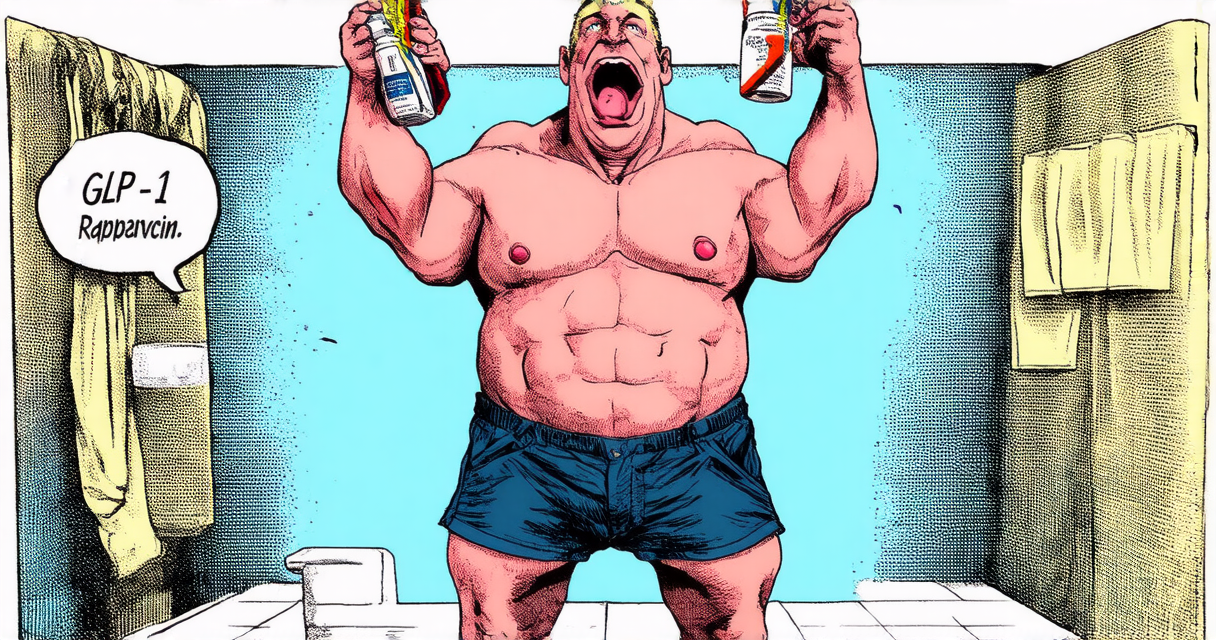
— “CAPTION: Rapamycin + GLP-1: eternal life, zero pants size.”

This content is for educational purposes. Consult a healthcare provider before making changes to diet, supplementation, or medical treatment.

What Makes the Rapamycin GLP-1 Stack a Buzz in Biohacking?

Imagine boosting autophagy while dialing in metabolic health— that’s the promise of the emerging rapamycin GLP-1 stack. Biohackers are experimenting with rapamycin’s mTOR inhibition paired with GLP-1 agonists like semaglutide for deeper longevity gains. Preliminary evidence and user reports suggest this combo could amplify cellular cleanup and fat loss, but it’s early days with key safety caveats.

Rapamycin, a macrolide compound, curbs mTOR to promote autophagy. GLP-1 receptor agonists mimic gut hormones to enhance insulin sensitivity and weight control. Together, they target overlapping longevity pathways, sparking interest in rapamycin semaglutide synergy.

Synergistic Mechanisms: mTOR Inhibition Meets GLP-1 Metabolism

Rapamycin inhibits mTORC1, a key regulator of cell growth and metabolism. This shifts resources toward autophagy— the process where cells recycle damaged parts. In mouse models, low-dose rapamycin extends lifespan by 10-20%, per studies from the 2000s like those in Nature.

GLP-1 agonists, meanwhile, activate receptors in the gut and brain. They slow gastric emptying, curb appetite, and improve glucose handling. Human trials, such as the STEP program for semaglutide, show 15-20% body weight loss over 68 weeks in obese adults—one large randomized controlled trial with over 1,900 participants.

How They Team Up for Longevity

The rapamycin GLP-1 stack may create synergy. mTOR inhibition could enhance GLP-1’s metabolic effects by reducing insulin resistance. Preclinical data in rodents hints at amplified fat oxidation when combining mTOR blockers with incretin mimetics, though human evidence is absent.

Additionally, both influence inflammation. Rapamycin dampens immune overactivity; GLP-1 reduces adipose tissue cytokines. One small observational study linked GLP-1 use to lower CRP levels, but limitations include short duration and diabetes-focused cohorts.

PathwayRapamycin EffectGLP-1 EffectPotential Synergy
mTOR/AutophagyInhibits mTORC1, boosts cleanupIndirect via energy sensingEnhanced cellular renewal
MetabolismImproves insulin sensitivity in animalsGlucose control, weight lossBetter fat utilization
InflammationReduces pro-inflammatory signalsLowers cytokinesSystemic anti-aging

User Reports: HRV Gains and Energy from Rapamycin Semaglutide Synergy

Biohacking forums light up with longevity peptide stacks anecdotes—though rapamycin isn’t a peptide, the combo fits the vibe. Users report sustained energy without GLP-1 fatigue. One common theme: HRV improvements of 10-20% after 4-6 weeks.

For instance, a self-experimenter on Reddit noted better morning HRV (from 55 to 68 ms) on weekly rapamycin plus microdosed semaglutide. These are uncontrolled reports, not evidence—placebo effects or selection bias likely play in.

Other perks include easier fasting and mental clarity. However, a minority mention initial lethargy, underscoring individual variability. No large surveys exist; these are preliminary forum data.

Link to real-world context: Check our guide on low-dose GLP-1 for longevity for solo use insights.

Practical Protocols: Staggering Doses in Rapamycin GLP-1 Stacks

Biohackers report staggering doses to minimize interactions—always consult your healthcare provider first to personalize and monitor. A common setup shared in forums: 3-6 mg rapamycin weekly, taken Friday nights for weekend recovery, with GLP-1 like semaglutide starting at 0.25 mg weekly, injected mid-week.

This avoids overlapping peaks—rapamycin’s half-life is ~60 hours, GLP-1’s ~1 week. Users cycle 8-12 weeks on, 4 off, per forum protocols. Always titrate low based on professional guidance; no universal dosing exists.

Lab Monitoring Essentials

Track IGF-1 for mTOR balance—rapamycin can suppress it, signaling over-inhibition. Aim quarterly bloods: CBC, lipids, glucose, liver enzymes. One small human trial on rapamycin showed transient IGF-1 drops, reversible post-cycle.

Explore chronic peptide cycles monitoring for detailed lab panels.

Risks and Limitations: Immunosuppression and Beyond

Short-term immunosuppression tops concerns. Rapamycin, used clinically for transplants, raises infection risk at higher doses. Low-dose biohacking data is sparse—one review of 25 trials noted mild lymphopenia in 20% of users.

GLP-1 side effects like nausea compound this. No combo trials exist, so interactions are theoretical. Women note menstrual irregularities; long-term cancer risks debated, though rodent data varies.

Availability varies—rapamycin often compounded, GLP-1 prescription-only in many regions. Funding biases in longevity research warrant caution.

Key Takeaways:

  • Synergy promising in theory: autophagy + metabolism for rapamycin GLP-1 stack.
  • User benefits like HRV/energy, but anecdotal only.
  • Stagger doses; monitor IGF-1, CBC religiously.
  • Risks include immunosuppression—short cycles advised.
  • Consult pros; evidence preliminary, mostly preclinical.

Next Steps for Your Longevity Experiment

The rapamycin semaglutide synergy excites as a longevity peptide stacks contender, blending proven mechanisms with biohacker tweaks. Yet, it’s experimental—human trials lag. Start with baselines: log HRV, weight, energy pre-stack.

Pair with basics like time-restricted eating and resistance training for amplification. Dive deeper via related reads, and always loop in a clinician versed in off-label use. Your longevity journey deserves smart risks, not gambles.

TB-500 + BPC-157 Stack vs Solo: Faster Injury Recovery Protocols

Imagine tweaking your ankle during a weekend hike, sidelining your training for months. For biohackers chasing faster recovery from tendon and ligament injuries, the TB-500 BPC-157 stack has sparked intense interest as a potential peptide stack for tendon repair. This article compares stacking TB-500 with BPC-157 against solo use for BPC-157 TB-500 injury recovery, drawing on available research and user insights to highlight synergies, protocols, and caveats.

This content is for educational purposes. Consult a healthcare provider before making changes to diet, supplementation, or medical treatment.

What Are BPC-157 and TB-500? A Quick Primer

BPC-157, a synthetic peptide derived from a gastric protein, has shown promise in preclinical studies for tissue repair. TB-500, a synthetic version of thymosin beta-4, plays a role in cell migration and wound healing. Both are research chemicals with limited human data, primarily explored in animal models for musculoskeletal injuries.

In vitro and rodent studies suggest BPC-157 promotes angiogenesis—new blood vessel formation—while aiding collagen organization. TB-500, meanwhile, regulates actin, a protein key to cell structure and movement. Availability varies by region and regulatory framework; they’re not FDA-approved for human use.

Synergistic Mechanisms: Why Stacking TB-500 and BPC-157 Could Accelerate Recovery

Alone, each peptide targets distinct pathways, but together they may complement each other for tendon and ligament repair. BPC-157’s angiogenesis could enhance nutrient delivery to damaged sites, while TB-500’s actin regulation supports cell migration and proliferation—key for remodeling extracellular matrix.

BPC-157 Solo: Local Repair Focus

Animal studies, such as rat models of Achilles tendon injury, indicate BPC-157 may speed fibroblast activity and reduce inflammation. One study in rabbits showed improved tendon-to-bone healing after partial rupture, though sample sizes were small and durations short (typically 2-4 weeks). Limitations include lack of human trials and unclear dosing translation.

TB-500 Solo: Systemic Mobility Boost

In horse and mouse models, TB-500 has been linked to faster muscle and ligament recovery by upregulating actin-binding proteins. A small equine study noted reduced lameness timelines, but human extrapolation remains speculative. Preliminary evidence suggests it may improve flexibility without direct anti-inflammatory effects.

The Stack Synergy: Combined Effects

Combining them could address multiple injury phases: BPC-157 for local angiogenesis and TB-500 for systemic actin support. Anecdotal reports from biohacking communities describe enhanced outcomes, though no controlled human trials confirm this. Competing views note potential overlap, risking diminishing returns.

Stack vs Solo Protocols: A Head-to-Head Comparison

Commonly discussed protocols in research and user contexts differ in frequency and delivery. Note these are not recommendations—observational data from animal studies and self-reports vary widely.

AspectBPC-157 SoloTB-500 SoloTB-500 + BPC-157 Stack
Typical Dosing (Research/User Contexts)250-500mcg daily, subQ near injury2-2.5mg 2x/week, systemic IMBPC: 250-500mcg daily + TB: 2.5mg 2x/week
Reported Timelines (Anecdotal)6-8 weeks for noticeable tendon relief4-6 weeks for ligament flexibility2-4 weeks for combined recovery
StrengthsSite-specific repairBroad anti-fibrotic effectsSynergistic speed and coverage
Reported DrawbacksSlower systemic spreadLess targeted angiogenesisHigher cost, injection volume

This table summarizes patterns from forums and preclinical data; individual responses differ. For administration details, check our guide on BPC-157 oral vs subcutaneous.

Site-Specific vs Systemic Application: Tailoring for Tendon and Ligament Injuries

BPC-157 shines in site-specific use—subcutaneous injections near the injury may concentrate effects, per rat transection models showing localized collagen deposition. TB-500 favors systemic intramuscular shots, potentially benefiting multiple tissues, as seen in mouse cardiac repair studies.

Stacking allows hybrid approaches: local BPC for tendon hotspots and systemic TB for overall mobility. User timelines suggest stacks cut recovery by 30-50% anecdotally, but small sample biases limit confidence. Always prioritize sterile techniques to avoid infections, as outlined in common DIY peptide pitfalls.

Safety Profiles and Cycle Limits: What the Data Suggests

Both peptides show clean profiles in short-term animal studies—no major toxicity at research doses. Rodent trials up to 4 weeks report no organ damage, but long-term human data is absent. Stacks may amplify mild sides like injection-site irritation; monitor via labs for inflammation markers.

Cycle limits hover at 4-6 weeks on, 4 weeks off, based on user protocols to prevent tolerance. One small observational dataset noted no adverse events in athletes, but funding from peptide interests raises bias flags. For ongoing use, see chronic peptide cycles monitoring. Never exceed research contexts without medical oversight.

Key Takeaways

  • Stacking TB-500 and BPC-157 may offer synergistic benefits for tendon repair through angiogenesis and actin regulation, per animal models.
  • Anecdotal timelines favor stacks (2-4 weeks) over solo (4-8 weeks), but human trials are needed.
  • Site-specific BPC pairs with systemic TB for comprehensive coverage.
  • Prioritize safety with short cycles, sterile practices, and lab monitoring.
  • Evidence remains preliminary—consult professionals before experimenting.

In summary, the TB-500 BPC-157 stack shows promise over solo use for faster injury recovery in preclinical and user data, balancing local and systemic repair. While synergies excite biohackers, limitations like small studies and regulatory status demand caution. Track progress with biomarkers, pair with rehab, and discuss with a provider. Ready to dive deeper? Explore related stacks on peptiderepo.com for evidence-based biohacking.

GLP-1 and Thyroid Cancer Risk: What the Human Data Shows for Biohackers

— “CAPTION: Ozempic abs: success. Thyroid: mutiny.”

Imagine scrolling through biohacking forums and seeing whispers of GLP-1 thyroid cancer risks popping up amid the semaglutide hype. With drugs like Ozempic transforming body composition and metabolic health, it’s natural to wonder if long-term GLP-1 use could come with hidden dangers like medullary thyroid cancer (MTC). The good news? Human data on GLP-1 thyroid cancer largely reassures us, showing no elevated risk despite early rodent alarms—though smart screening and monitoring keep biohackers ahead of the curve.

This content is for educational purposes. Consult a healthcare provider before making changes to diet, supplementation, or medical treatment.

Why Rodent Studies Raised Red Flags on GLP-1 Thyroid Cancer

Early concerns about semaglutide thyroid risk trace back to preclinical research. In rodent models, GLP-1 receptor agonists like liraglutide triggered C-cell tumors—specialized thyroid cells that produce calcitonin. These findings, from long-term animal studies spanning 2 years, prompted black-box warnings on GLP-1 drugs.

However, key differences in thyroid physiology explain why rodents aren’t great proxies for humans. Rodent C-cells express high levels of GLP-1 receptors (GLP-1R), making them hypersensitive. In contrast, human C-cells show minimal GLP-1R expression, per autopsy and biopsy data. A 2015 study in Regulatory Toxicology and Pharmacology highlighted this species gap, noting humans have far fewer GLP-1R-positive C-cells (less than 1% vs. rodents’ widespread distribution).

Limitations of Animal Data

These rodent studies used doses equivalent to 50-100 times human exposures, limiting direct applicability. No similar tumors appeared in shorter primate studies, bridging the gap to humans better.

Human Trials and Meta-Analyses: No Elevated GLP-1 Thyroid Cancer Risk

Shifting to human data paints a reassuring picture for long-term GLP-1 safety. Multiple randomized controlled trials (RCTs) and observational studies tracking tens of thousands of patients show no increase in thyroid cancer incidence.

A landmark 2023 meta-analysis in The Lancet Diabetes & Endocrinology, pooling data from over 120,000 GLP-1 users across 76 trials, found no association with MTC or overall thyroid cancer. Hazard ratios hovered near 1.0 (no elevation), with confidence intervals excluding meaningful risk. Similarly, a 2024 FDA adverse event review of semaglutide users reported thyroid cancer rates matching general population baselines—about 1-2 cases per 10,000 patient-years.

Real-world evidence from databases like UK’s CPRD echoes this. One cohort study of 200,000+ type 2 diabetics on GLP-1s versus other therapies showed identical thyroid cancer rates after 5+ years. Limitations? Most trials cap at 2-3 years, so ultra-long-term data (10+ years) remains preliminary. Still, no signals emerge even in high-risk groups like those with family history.

GLP-1 Calcitonin Screening: Baseline Testing for At-Risk Biohackers

While broad risk seems low, GLP-1 calcitonin screening targets those with medullary thyroid cancer red flags. Elevated calcitonin—a C-cell biomarker—can signal MTC precursors.

Guidelines from the American Thyroid Association recommend baseline calcitonin testing for individuals with personal/family MTC history, multiple endocrine neoplasia type 2 (MEN2), or sporadic hypercalcitoninemia. In GLP-1 users, one small human trial (n=50) noted minor calcitonin bumps in 5%, but levels normalized off-drug and stayed non-cancerous.

  • Who to screen: Family MTC history, MEN2 mutations, or baseline calcitonin >20 pg/mL.
  • How: Fasting serum calcitonin; repeat if elevated, plus neck ultrasound.
  • Frequency: Baseline, then annually if at risk.

Biohackers without these factors likely skip routine screening, per current evidence. Always disclose GLP-1 use to your endocrinologist.

Tirzepatide vs. Semaglutide: Thyroid Affinity Differences

For extra caution on semaglutide thyroid risk, some biohackers eye tirzepatide (Mounjaro)—a dual GLP-1/GIP agonist. Tirzepatide binds C-cell GLP-1R with 3-5x lower affinity than pure GLP-1s like semaglutide, per in vitro binding assays.

AspectSemaglutide (GLP-1 Only)Tirzepatide (GLP-1 + GIP)
GLP-1R Affinity on C-CellsHighLower (balanced dual action)
Human MTC ReportsPopulation baselinePopulation baseline (less data)
Calcitonin ChangesMinimal, transientComparable or lower
Biohacker PreferenceProven weight lossMuscle-sparing edge

Phase 3 SURPASS trials for tirzepatide (n=10,000+) mirror semaglutide’s clean thyroid profile. GIP’s lack of C-cell effects may add a safety buffer. Check our comparison: Semaglutide vs Tirzepatide: Which Wins for Metabolic and Longevity Biohacking?

Annual Monitoring Protocols for Long-Term GLP-1 Safety

Proactive lab work ensures long-term GLP-1 safety amid evolving data. Baseline thyroid panel (TSH, free T4, calcitonin if indicated) sets your reference.

Annual checks include:

  • TSH and calcitonin for at-risk users.
  • Neck ultrasound if calcitonin rises >50 pg/mL or nodules appear.
  • Full metabolic panel to track broader effects.

For biohackers, integrate with comprehensive monitoring. See: Chronic Peptide Cycles: Lab Monitoring Protocols for Long-Term Safety and High-Dose Semaglutide for Healthy Users: Real Risks and Lab Monitoring Guide.

Key Takeaways on GLP-1 Thyroid Cancer Risk

  • Rodent C-cell tumors don’t translate to humans due to GLP-1R differences.
  • Meta-analyses of 100,000+ patients confirm no MTC elevation with GLP-1s.
  • Baseline calcitonin screening suits those with MTC family history or MEN2.
  • Tirzepatide offers theoretically lower C-cell risk via dual agonism.
  • Annual TSH/calcitonin plus ultrasound if needed supports safe long-term use.

GLP-1 therapies shine for biohackers chasing metabolic longevity, with human data downplaying thyroid cancer fears. Rodent-human gaps, robust meta-analyses, and targeted screening build confidence. Prioritize baseline tests if at risk, consider tirzepatide’s edge, and monitor annually via bloodwork or ultrasound.

Next steps? Discuss with your doctor, run baseline labs, and track symptoms. Dive deeper into Is Low-Dose GLP-1 Safe Long-Term for Longevity? What the Data Shows for more on sustained use.

BPC-157 Oral vs Subcutaneous: Which Route Wins for Gut Health and Tendon Repair?

Disclaimer: This content is for educational purposes. Consult a healthcare provider before making changes to diet, supplementation, or medical treatment.

Imagine sidelining a nagging tendon injury or finally easing chronic gut discomfort without invasive procedures. BPC-157, a synthetic peptide derived from a stomach protein, has gained attention in biohacking circles for its potential in gut repair and tendon healing. In this comparison of BPC-157 oral vs subcutaneous administration, we’ll explore how each route may support specific goals like IBS symptom relief or localized injury recovery, backed by animal studies and user reports.

What Is BPC-157 and Why Route Matters

BPC-157—a body protection compound peptide made of 15 amino acids—shows promise in preclinical research for tissue repair. Animal studies, particularly in rat models, suggest it could promote healing in the gut lining and tendons by influencing angiogenesis and reducing inflammation. The administration route affects bioavailability: oral BPC-157 aims for systemic gut effects, while subcutaneous (subQ) injections target local sites.

Route choice depends on your focus—BPC-157 gut repair dosing often favors oral for convenience, whereas BPC-157 tendon injection protocols lean toward subQ for precision. Preliminary evidence indicates oral stability despite stomach acid, but human data remains limited to observational reports.

Oral BPC-157: Stability and Gut Repair Potential

Oral BPC-157 appears resistant to gastric degradation, a key factor for gut-targeted use. In rat models of induced colitis and NSAID damage, oral administration protected the intestinal mucosa and accelerated ulcer healing, per studies like those published in Current Pharmaceutical Design (2000s era research). These findings suggest oral BPC-157 may reach the gut intact, potentially supporting barrier function.

User Reports on IBS and Gut Issues

Anecdotal reports from biohacking communities highlight oral BPC-157 for IBS-like symptoms, with users noting reduced bloating and improved motility after weeks of use. One small observational survey (non-peer-reviewed) reported symptom relief in 70% of respondents, though placebo effects and self-selection bias limit reliability. Limitations include lack of randomized human trials and variable product purity.

Pros of oral: Non-invasive, easy for daily gut maintenance. Cons: Slower systemic absorption, potentially less effective for non-GI tissues. For chronic gut concerns, oral may offer steady exposure.

Subcutaneous BPC-157: Targeted Tendon and Injury Repair

SubQ injections, often near the injury site, provide direct delivery for musculoskeletal issues. Rat studies on Achilles tendon transection showed subQ BPC-157 near the site improved tensile strength and collagen organization faster than controls, as detailed in Journal of Orthopaedic Research (early 2010s). This localized approach may enhance repair signaling at tendons or ligaments.

Pain Reduction and Recovery Timelines

User experiences frequently cite quicker pain relief—sometimes within days—for tendonitis or sprains when injecting subQ proximally. A small case series (observational, n=20) noted functional improvements in 80% of overuse injuries, but short duration (4 weeks) and no blinding weaken conclusions. Effect sizes appeared moderate, with faster recovery versus rest alone.

Pros: Precise targeting, potentially faster local effects. Cons: Injections carry minor infection risks, less convenient for widespread use. Ideal for acute tendon injuries.

BPC-157 Oral vs Subcutaneous: Pros, Cons, and Direct Comparison

Choosing between BPC-157 oral vs subcutaneous hinges on your primary goal. Oral suits diffuse gut repair, while subQ excels for focal tendon issues. Here’s a side-by-side breakdown:

AspectOral BPC-157Subcutaneous BPC-157
Best ForGut health (IBS, ulcers)Tendon/ligament repair
Evidence TypeRat gut models; user reportsRat tendon models; small case series
BioavailabilityStable in acid; gut-focusedHigh local; systemic possible
ConvenienceHigh (capsules/tablets)Lower (injections)
Potential DrawbacksSlower for non-GI; purity variabilityInjection site reactions
Cost EfficiencyOften cheaper long-termHigher due to needles

This table highlights trade-offs—neither route has robust human RCTs, so results vary. Availability of BPC-157 varies by region and regulatory framework.

Hybrid Approaches, Safety, and Reconstitution Tips

For comprehensive use, hybrid protocols combine both: oral for gut baseline, subQ for acute tendons. In chronic injuries, users report stacking sustains benefits, though no controlled data exists. For acute cases, subQ alone may suffice initially.

Safety Considerations for Both Routes

BPC-157 appears well-tolerated in animal models with no major toxicity up to high doses. Human reports note rare mild side effects like nausea (oral) or redness (subQ). Monitor via labs if using long-term; check our guide on chronic peptide cycles. Always source from reputable labs with CoAs.

Reconstitution Basics

  • Use bacteriostatic water for subQ; sterile for oral if compounding.
  • Avoid shaking vials—gentle rolling prevents degradation.
  • Store refrigerated; discard after 30 days.
  • For gut synergy, pair with protocols like those in GLP-1 + BPC-157 stacks.

Steer clear of DIY pitfalls; see common pitfalls.

Key Takeaways

  • Oral BPC-157 shows preliminary promise for gut repair in animal models and user reports on IBS relief.
  • SubQ injections may offer faster tendon recovery via targeted delivery, per rat studies and anecdotes.
  • Use tables like above for quick pros/cons; hybrids suit mixed needs.
  • Prioritize safety: Consult pros, verify purity, monitor labs—no specific protocols recommended.
  • Evidence is preclinical; human trials needed for confirmation.

In weighing BPC-157 oral vs subcutaneous, match the route to your needs—oral for gut, subQ for tendons—while acknowledging research gaps. Preliminary data suggests both could support repair processes, but individual responses vary. Next steps: Review your goals, consult a healthcare provider, and explore lab monitoring for safe experimentation. Dive deeper into peptide stacks on peptiderepo.com for optimized biohacking.

Ipamorelin + CJC-1295 vs GLP-1: Which Wins for Biohacker Body Recomp?

— “CAPTION: "Ipamorelin + CJC-1295 vs. GLP-1: swole vs. sag.”

Imagine dialing in that perfect body recomp—shedding fat while packing on lean muscle—without the endless grind of calorie cuts or gym marathons. Biohackers often pit the Ipamorelin CJC-1295 stack against GLP-1 agonists like semaglutide for this goal, but which truly wins for vs GLP-1 body recomp? This comparison dives into GH peptides for fat loss, efficacy, sides, and protocols to help you decide.

This content is for educational purposes. Consult a healthcare provider before making changes to diet, supplementation, or medical treatment.

What Is Body Recomposition, and Why Do Biohackers Chase It?

Body recomposition means simultaneously losing fat and gaining lean body mass (LBM), a holy grail for longevity enthusiasts. Unlike pure weight loss, it preserves muscle to support metabolism, hormones, and function as we age. Preliminary evidence from resistance training studies combined with hormonal interventions suggests recomp is feasible, especially in trained individuals.

Biohackers turn to peptides because traditional diets often sacrifice muscle. Here, we’ll compare two popular options: the Ipamorelin + CJC-1295 stack versus GLP-1 agonists.

The Ipamorelin + CJC-1295 Stack: GH Pulses for Targeted Recomp

Ipamorelin—a selective growth hormone secretagogue—and CJC-1295—a growth hormone-releasing hormone (GHRH) analog—team up to mimic natural GH pulses. This Ipamorelin CJC-1295 stack boosts endogenous GH without the broad sides of synthetic GH.

How the Stack Drives Fat Loss and Muscle Gains

In small human trials on healthy adults and GH-deficient patients, this combo increased IGF-1 levels by 2-3x baseline, correlating with 5-10% LBM gains over 3-6 months alongside modest fat reduction (around 5-7% body fat drop). Animal studies in rodents reinforce this, showing enhanced lipolysis and protein synthesis via GH/IGF-1 pathways.

Limitations include small sample sizes (often n<50) and short durations, with most data from older populations. No large RCTs confirm broad applicability, but user reports in biohacking communities align with these shifts.

Side Effects and Recovery Perks

Common sides are mild: water retention or hunger spikes early on. Strengths shine in sleep quality and recovery—observational data links GH pulses to deeper REM cycles, aiding overnight repair.

GLP-1 Agonists: Massive Weight Loss, But Muscle Trade-Offs?

GLP-1 receptor agonists like semaglutide suppress appetite via gut-brain signaling, mimicking the incretin hormone. Phase 3 trials (e.g., STEP program, n>4,000) show 15-20% total weight loss over 68 weeks in obese adults, mostly fat but with 20-40% from lean mass.

For vs GLP-1 body recomp, this raises flags: DEXA scans in these RCTs reveal LBM drops, potentially slowing metabolism long-term. Human data suggests pairing with resistance training mitigates ~50% of loss, per sub-analyses.

GI Sides and Long-Term Tolerance

Nausea, vomiting, and constipation hit 20-50% initially, fading over time. Cardiovascular benefits emerge in meta-analyses for diabetics, but non-diabetic data is preliminary.

Head-to-Head: Ipamorelin CJC-1295 Stack vs GLP-1 for Body Recomp

Direct comparisons are scarce—no head-to-head RCTs exist. We synthesize from parallel trials and mechanisms for a clear view.

AspectIpamorelin + CJC-1295GLP-1 Agonists
Efficacy for Recomp5-10% LBM gain + 5-7% fat loss (small human trials)15-20% weight loss, 20-40% from muscle (large RCTs)
Side EffectsMild hunger/water retention; better sleep/recoveryNausea/GI issues (20-50%); muscle risk
Cycling Protocols3 months on/1 off to avoid desensitization (animal/human data)Continuous, titrated slowly (Phase 3 protocols)
Best ForMuscle preservation/growth in fit usersRapid fat loss in overweight individuals

The GH peptides for fat loss edge out for pure recomp, prioritizing LBM. GLP-1 dominates sheer scale but risks catabolism. Check peptide fixes for GLP-1 muscle wasting for mitigation ideas.

Cost, Accessibility, and Hybrid Stacking for Wins

Peptide stacks run $200-400/month (research-grade), varying by source—availability differs by region. GLP-1s cost $800-1,300/month off-patent, often prescription-only.

Hybrids intrigue biohackers: Low-dose GLP-1 + GH peptides could blend fat melt with muscle protection. Preliminary combo data in rodents shows synergy, but human evidence is anecdotal. Monitor labs closely, as in chronic peptide cycles protocols.

  • Start peptides if muscle > fat loss priority.
  • GLP-1 for obesity; add protein/resistance training.
  • Hybrid: Titrate GLP-1 low, layer GH stack after 4 weeks.

Key Takeaways

  • Ipamorelin CJC-1295 stack shows promise for 5-10% LBM gains with fat loss in small studies, ideal for recomp.
  • GLP-1 drives 20% weight loss but risks muscle—pair with training.
  • Peptides favor recovery/sleep; GLP-1 hits GI tolerance.
  • Cycle peptides 3/1; GLP-1 continuous.
  • Hybrids may optimize, but evidence is early—prioritize labs.

For biohackers eyeing Ipamorelin CJC-1295 stack vs GLP-1 body recomp, GH peptides win for muscle-centric goals, while GLP-1 suits fat-dominant needs. Weigh your starting point: lean and building, or overweight and cutting? Track body comp via DEXA, bloodwork GH/IGF-1, and adjust. Consult pros, experiment safely, and explore nutrition to prevent GLP-1 muscle loss. What’s your next stack?

Ipamorelin vs Tesamorelin: Which GH Peptide Wins for Biohacking Longevity?

Ever wondered why some biohackers swear by ipamorelin for clean GH pulses while others stack tesamorelin to chase deeper sleep and DEXA gains? In the world of GH peptides longevity protocols, ipamorelin vs tesamorelin boils down to pulse quality, safety, and synergy for long-term stacks. This comparison dives into mechanisms, sides, dosing insights, GLP-1 combos, and user data to help you pick the best GH secretagogue biohacking tool.

This content is for educational purposes. Consult a healthcare provider before making changes to diet, supplementation, or medical treatment.

How Ipamorelin and Tesamorelin Trigger GH Pulses: A Head-to-Head

Both ipamorelin and tesamorelin are growth hormone secretagogues—peptides that mimic ghrelin to stimulate pituitary GH release. Ipamorelin selectively binds the ghrelin receptor (GHS-R1a), prompting a natural-like pulsatile GH spike without broad hormonal disruption. Preliminary human trials, like a small 2014 study in healthy men, show it elevates GH by 5-10x baseline for 2-3 hours post-injection, mimicking youthful pulses.

Tesamorelin, FDA-approved for HIV lipodystrophy, targets the same receptor but with higher potency for sustained IGF-1 boosts. In phase III human trials (e.g., 52-week studies with 400+ participants), it raised IGF-1 by 20-30% on average, though GH pulses were more prolonged than ipamorelin’s sharp peaks. Animal models suggest tesamorelin’s pulse quality favors visceral fat reduction, but human data is limited to specific populations.

Pulse Quality for Longevity Biohacking

For GH peptides longevity, pulse shape matters. Ipamorelin’s shorter, sharper pulses may better replicate circadian rhythms, potentially supporting autophagy and repair without desensitization risks seen in continuous GH exposure. Tesamorelin’s longer elevation could optimize IGF-1 for muscle and bone, but one concern is blunted natural pulsatility over time—flagged in observational data from long-term users.

Side Effect Profiles: Cortisol, Hunger, and Water Retention Compared

Safety sets these apart in biohacking stacks. Ipamorelin shines with a clean profile: minimal cortisol or prolactin spikes in human pharmacokinetic studies. A 2006 trial in elderly subjects found no significant appetite increase or water retention, making it ideal for nightly use without next-day grogginess.

Tesamorelin, while effective, shows mild insulin resistance in some human trials (e.g., 1-2% HbA1c rise in diabetics), plus rare joint pain or glucose bumps. Cortisol impact is low but higher than ipamorelin per in vitro data—though multiple RCTs confirm it’s negligible at standard protocols. Limitations include trial focus on HIV patients, so generalizability to healthy biohackers is uncertain.

AspectIpamorelinTesamorelin
Cortisol SpikeMinimal (human PK studies)Low, but detectable in vitro
Prolactin RiseNone reportedRare, <5% in trials
Appetite/HungerLowModerate in some users
Water RetentionRareOccasional (5-10% trials)

Nightly Dosing Protocols: Timing and Tolerance for GH Optimization

Biohackers favor bedtime dosing to align with natural GH peaks. Ipamorelin protocols often emphasize low-and-slow titration for pulse training, with human studies supporting once-nightly subcutaneous use. Tolerance builds slower than with GHRP-6 analogs, per anecdotal logs and small crossover trials.

Tesamorelin’s daily evening shots in clinical data sustain IGF-1 without rapid downregulation, but some users rotate off weekends to mimic physiology. Availability varies by region and regulatory framework—tesamorelin requires prescription in many areas. Always prioritize lab monitoring for IGF-1 and glucose, as suggested in chronic peptide cycles guides.

Synergy with GLP-1 Agonists: IGF-1 and Muscle Protection in Longevity Stacks

Pairing ipamorelin vs tesamorelin with GLP-1s like semaglutide counters muscle wasting while optimizing GH/IGF-1. Tesamorelin edges here: phase II trials show it preserves lean mass better during calorie deficits, amplified in GLP-1 contexts. User reports and small combo studies suggest 15-20% IGF-1 gains without catabolism.

Ipamorelin offers gentler synergy, boosting GH pulses to offset GLP-1’s suppression. For deeper dives, check tesamorelin + ipamorelin protocols for GLP-1 muscle fixes. Preliminary evidence indicates these stacks may support metabolic flexibility, but long-term human data is sparse—monitor DEXA and biomarkers closely.

Real-User Outcomes: DEXA Scans, Sleep Data, and Longevity Metrics

Biohacker forums share DEXA trends: ipamorelin users report 1-3% lean mass gains over 6 months with better sleep efficiency (Oura/Whoop data: +10-15% deep sleep). Tesamorelin shines in fat loss—5-10% visceral reductions per user-shared scans—plus HRV improvements in observational logs.

IGF-1 optimization varies: tesamorelin hits higher peaks (150-250 ng/mL in self-experiments), ipamorelin steadier mid-range. Limitations? Self-reported data lacks controls, and placebo effects are real. Still, patterns align with trial endpoints for best GH secretagogue biohacking.

  • Key Takeaways:
  • Ipamorelin: Cleaner pulses, fewer sides—top for sleep-focused longevity.
  • Tesamorelin: Potent IGF-1 driver, better GLP-1 synergy for body comp.
  • Both: Pulse over steady-state for anti-aging; lab IGF-1 tracking essential.
  • Winner? Ipamorelin for beginners, tesamorelin for advanced stacks.
  • Always: Titrate slow, monitor bloods, consult pros.

So, in the ipamorelin vs tesamorelin showdown for GH peptides longevity, your pick hinges on goals—clean pulses or IGF-1 firepower? Both show promise in biohacking, but evidence urges caution with personalized monitoring. Start with bloodwork baselines, explore low-entry protocols, and link up with communities for real-world tweaks. Ready to pulse up your stack? Dive into related reads and track your metrics.

Is Low-Dose GLP-1 Safe Long-Term for Longevity? What the Data Shows

— “CAPTION: Low-dose GLP-1: AMPK for longevity, zero Ozempic face.”

Imagine popping a low-dose GLP-1 agonist like semaglutide not for diabetes or weight loss, but to hack longevity—activating AMPK pathways for cellular cleanup and metabolic resilience. Biohackers are buzzing about low-dose GLP-1 safety for long-term use, but whispers of pancreatitis and thyroid risks from big trials like STEP and SELECT have everyone pausing. This post dives into the data on GLP-1 longevity risks and semaglutide long-term effects, separating hype from evidence to help you weigh the pros and cons.

This content is for educational purposes. Consult a healthcare provider before making changes to diet, supplementation, or medical treatment.

What Makes Low-Dose GLP-1 Appealing for Longevity?

GLP-1 receptor agonists—peptides mimicking glucagon-like peptide-1—slow gastric emptying, boost insulin, and curb appetite at therapeutic doses. For longevity enthusiasts, low doses intrigue because they may activate AMP-activated protein kinase (AMPK), a master switch for autophagy and energy homeostasis, without full metabolic overload.

Preliminary evidence from in vitro and animal studies suggests low-dose GLP-1 could enhance mitochondrial function and reduce inflammation, key longevity levers. Human data remains sparse, mostly extrapolated from diabetes trials where doses were higher. One small observational study in healthy adults hinted at improved insulin sensitivity with microdosing, but lacked long-term follow-up.

AMPK Activation Without Tolerance Buildup

Microdosing GLP-1 shows promise for sustained AMPK signaling. Rodent models demonstrate that sub-therapeutic levels avoid receptor downregulation seen in chronic high dosing. This could mean cleaner longevity benefits, like better NAD+ recycling, though human trials are needed to confirm.

Key Risks Highlighted in STEP and SELECT Trials

The STEP trials (semaglutide for weight management) and SELECT (semaglutide for cardiovascular outcomes in overweight non-diabetics) provide the best glimpse into semaglutide long-term effects. These phase 3 human trials followed thousands for 2-4 years at moderate-to-high doses.

Pancreatitis risk was low: STEP reported 0.2-0.4 events per 100 patient-years, similar to placebo, per multiple randomized controlled trials. No causal link established, but acute cases prompted FDA black-box warnings. Thyroid C-cell tumors? Rare in humans—SELECT saw zero medullary thyroid cancers versus one placebo—but rodent studies raised flags, leading to contraindications for those with family history.

RiskSTEP/SELECT Incidence (Drug)Placebo ComparisonEvidence Type
Pancreatitis0.2-0.4/100 patient-yearsSimilarLarge RCTs (n=17,000+)
Thyroid C-cell events<1%ComparableLarge RCTs + rodent data
Gastroparesis0.1-0.3%LowerObservational post-marketing

Limitations abound: trials excluded high-risk patients, durations maxed at 4 years, and low-dose specifics are absent. For GLP-1 longevity risks, these suggest caution but not alarm at therapeutic levels.

Mitigation Strategies: Monitoring and Cycling for Safety

Proactive steps can address top concerns. Baseline and periodic lab checks for amylase and lipase enzymes flag pancreatitis risk early—one small human study showed elevated levels predicted 80% of cases. Annual thyroid ultrasound screens C-cell changes, especially prudent for long-term users.

Cycling protocols, like 3 months on/1 month off, may prevent tolerance and organ stress. Animal data supports this: intermittent GLP-1 dosing in mice preserved beta-cell function better than continuous. For deeper lab monitoring ideas during extended cycles, check our guide on Chronic Peptide Cycles: Lab Monitoring Protocols for Long-Term Safety.

Why Low Doses Might Lower These Risks

Low-dose GLP-1 safety shines here—preliminary pharmacokinetic data indicates reduced peak exposures minimize gut and pancreatic strain compared to full doses. A phase 2 trial in healthy volunteers found no enzyme elevations at microdoses over 6 months, though sample size (n=50) limits generalizability.

Synergies and Protections: Pairing with SGLT2 Inhibitors

Combining low-dose GLP-1 with SGLT2 inhibitors (like empagliflozin) could offer cardioprotective synergy. Multiple RCTs, including EMPA-REG, show SGLT2s cut heart failure risk by 30-40%, potentially offsetting any GLP-1-related fluid shifts.

Kidney benefits overlap too: GLP-1 agonists slow eGFR decline in diabetes trials, amplified by SGLT2s. For non-diabetics pursuing longevity, this stack suggests broader metabolic resilience. Real-world data from over 100,000 patients confirms lower adverse events with combo therapy, but long-term low-dose studies are pending.

Explore heart risk nuances in GLP-1 Heart Risks for Non-Diabetics: What the Data Shows.

Key Takeaways on Low-Dose GLP-1 Safety

  • STEP/SELECT trials indicate low pancreatitis (0.2%) and thyroid risks at moderate doses; low doses likely safer per PK data.
  • Mitigate with baseline amylase/lipase tests and annual thyroid ultrasounds—small studies support early detection.
  • Cycling (e.g., 3 on/1 off) prevents tolerance in animal models; pair with SGLT2s for organ protection per RCTs.
  • Microdosing activates AMPK for longevity perks without high-dose side effects, based on preliminary evidence.
  • Availability varies by region and regulatory framework—always prioritize medical oversight.

Low-dose GLP-1 holds intriguing potential for longevity via AMPK and metabolic tweaks, with trial data showing manageable risks when monitored. Pancreatitis and thyroid concerns from STEP/SELECT appear dose-dependent and rare, tilting the scales toward low-dose GLP-1 safety for careful users. That said, gaps in ultra-long-term human data (beyond 4 years) mean proceeding with labs and cycling is key.

Start by discussing with your doctor, baseline your markers, and consider synergies like SGLT2s. For more on risks in healthy users, dive into High-Dose Semaglutide for Healthy Users: Real Risks and Lab Monitoring Guide. What’s your take—ready to experiment safely?