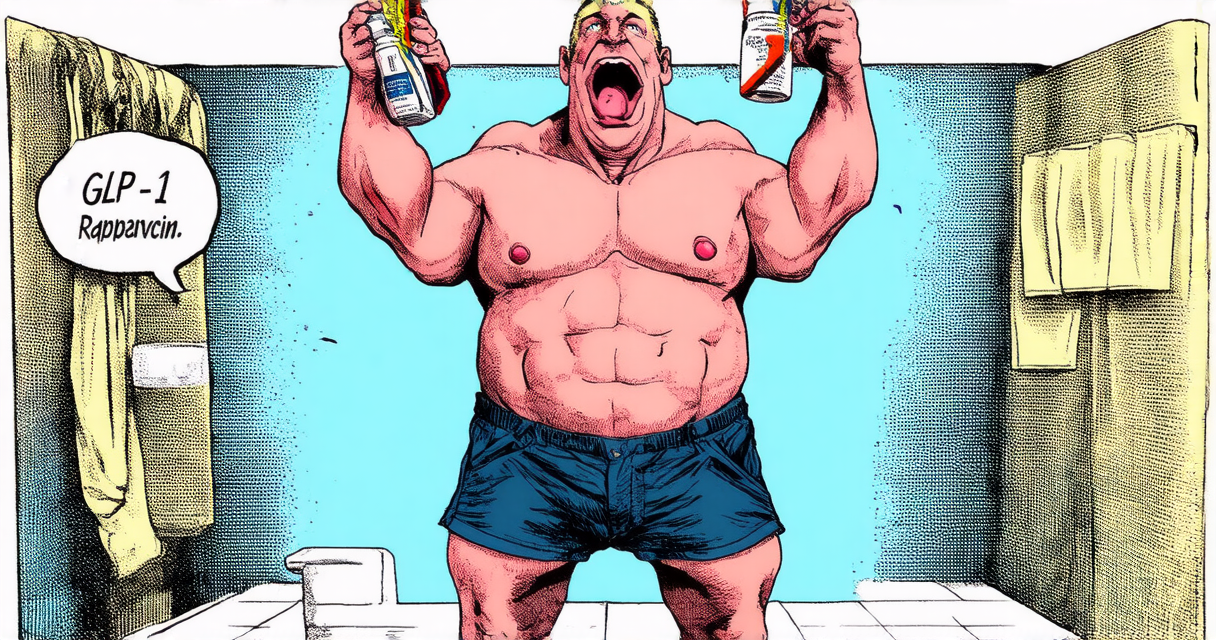
— “CAPTION: Rapamycin + GLP-1: eternal life, zero pants size.”
This content is for educational purposes. Consult a healthcare provider before making changes to diet, supplementation, or medical treatment.
What Makes the Rapamycin GLP-1 Stack a Buzz in Biohacking?
Imagine boosting autophagy while dialing in metabolic health— that’s the promise of the emerging rapamycin GLP-1 stack. Biohackers are experimenting with rapamycin’s mTOR inhibition paired with GLP-1 agonists like semaglutide for deeper longevity gains. Preliminary evidence and user reports suggest this combo could amplify cellular cleanup and fat loss, but it’s early days with key safety caveats.
Rapamycin, a macrolide compound, curbs mTOR to promote autophagy. GLP-1 receptor agonists mimic gut hormones to enhance insulin sensitivity and weight control. Together, they target overlapping longevity pathways, sparking interest in rapamycin semaglutide synergy.
Synergistic Mechanisms: mTOR Inhibition Meets GLP-1 Metabolism
Rapamycin inhibits mTORC1, a key regulator of cell growth and metabolism. This shifts resources toward autophagy— the process where cells recycle damaged parts. In mouse models, low-dose rapamycin extends lifespan by 10-20%, per studies from the 2000s like those in Nature.
GLP-1 agonists, meanwhile, activate receptors in the gut and brain. They slow gastric emptying, curb appetite, and improve glucose handling. Human trials, such as the STEP program for semaglutide, show 15-20% body weight loss over 68 weeks in obese adults—one large randomized controlled trial with over 1,900 participants.
How They Team Up for Longevity
The rapamycin GLP-1 stack may create synergy. mTOR inhibition could enhance GLP-1’s metabolic effects by reducing insulin resistance. Preclinical data in rodents hints at amplified fat oxidation when combining mTOR blockers with incretin mimetics, though human evidence is absent.
Additionally, both influence inflammation. Rapamycin dampens immune overactivity; GLP-1 reduces adipose tissue cytokines. One small observational study linked GLP-1 use to lower CRP levels, but limitations include short duration and diabetes-focused cohorts.
| Pathway | Rapamycin Effect | GLP-1 Effect | Potential Synergy |
|---|---|---|---|
| mTOR/Autophagy | Inhibits mTORC1, boosts cleanup | Indirect via energy sensing | Enhanced cellular renewal |
| Metabolism | Improves insulin sensitivity in animals | Glucose control, weight loss | Better fat utilization |
| Inflammation | Reduces pro-inflammatory signals | Lowers cytokines | Systemic anti-aging |
User Reports: HRV Gains and Energy from Rapamycin Semaglutide Synergy
Biohacking forums light up with longevity peptide stacks anecdotes—though rapamycin isn’t a peptide, the combo fits the vibe. Users report sustained energy without GLP-1 fatigue. One common theme: HRV improvements of 10-20% after 4-6 weeks.
For instance, a self-experimenter on Reddit noted better morning HRV (from 55 to 68 ms) on weekly rapamycin plus microdosed semaglutide. These are uncontrolled reports, not evidence—placebo effects or selection bias likely play in.
Other perks include easier fasting and mental clarity. However, a minority mention initial lethargy, underscoring individual variability. No large surveys exist; these are preliminary forum data.
Link to real-world context: Check our guide on low-dose GLP-1 for longevity for solo use insights.
Practical Protocols: Staggering Doses in Rapamycin GLP-1 Stacks
Biohackers report staggering doses to minimize interactions—always consult your healthcare provider first to personalize and monitor. A common setup shared in forums: 3-6 mg rapamycin weekly, taken Friday nights for weekend recovery, with GLP-1 like semaglutide starting at 0.25 mg weekly, injected mid-week.
This avoids overlapping peaks—rapamycin’s half-life is ~60 hours, GLP-1’s ~1 week. Users cycle 8-12 weeks on, 4 off, per forum protocols. Always titrate low based on professional guidance; no universal dosing exists.
Lab Monitoring Essentials
Track IGF-1 for mTOR balance—rapamycin can suppress it, signaling over-inhibition. Aim quarterly bloods: CBC, lipids, glucose, liver enzymes. One small human trial on rapamycin showed transient IGF-1 drops, reversible post-cycle.
Explore chronic peptide cycles monitoring for detailed lab panels.
Risks and Limitations: Immunosuppression and Beyond
Short-term immunosuppression tops concerns. Rapamycin, used clinically for transplants, raises infection risk at higher doses. Low-dose biohacking data is sparse—one review of 25 trials noted mild lymphopenia in 20% of users.
GLP-1 side effects like nausea compound this. No combo trials exist, so interactions are theoretical. Women note menstrual irregularities; long-term cancer risks debated, though rodent data varies.
Availability varies—rapamycin often compounded, GLP-1 prescription-only in many regions. Funding biases in longevity research warrant caution.
Key Takeaways:
- Synergy promising in theory: autophagy + metabolism for rapamycin GLP-1 stack.
- User benefits like HRV/energy, but anecdotal only.
- Stagger doses; monitor IGF-1, CBC religiously.
- Risks include immunosuppression—short cycles advised.
- Consult pros; evidence preliminary, mostly preclinical.
Next Steps for Your Longevity Experiment
The rapamycin semaglutide synergy excites as a longevity peptide stacks contender, blending proven mechanisms with biohacker tweaks. Yet, it’s experimental—human trials lag. Start with baselines: log HRV, weight, energy pre-stack.
Pair with basics like time-restricted eating and resistance training for amplification. Dive deeper via related reads, and always loop in a clinician versed in off-label use. Your longevity journey deserves smart risks, not gambles.