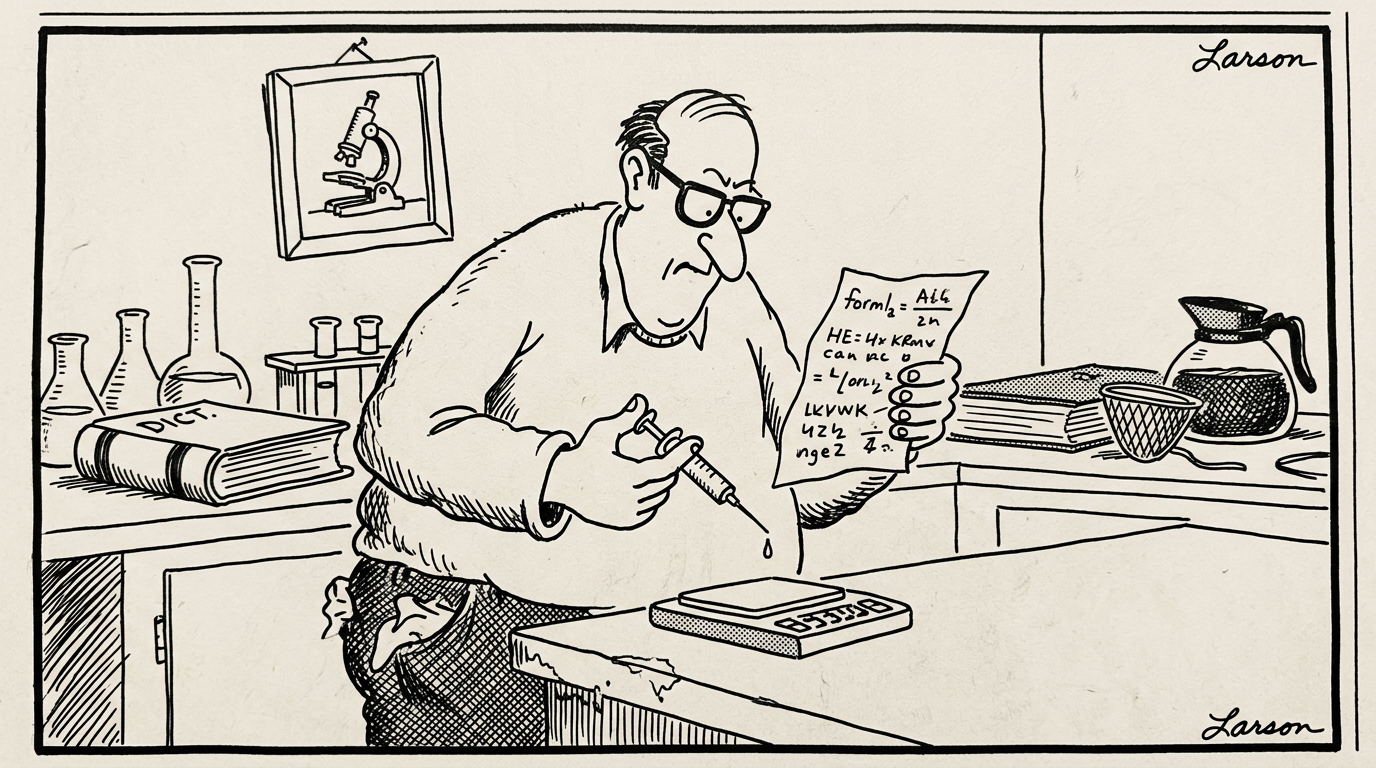
— “CoA pure. Dose safe. Effect: placebo.”
This content is for educational purposes. Consult a healthcare provider before making changes to diet, supplementation, or medical treatment.
Imagine getting your hands on compounded semaglutide, excited to kickstart your weight loss journey, only to worry if it’s pure enough to trust. Stories of impurities or overdoses in the GLP-1 space have biohackers second-guessing their sources. This guide dives into compounded semaglutide testing, GLP-1 purity verification, and practical steps for semaglutide overdose prevention, helping you navigate compounded agonists like semaglutide and tirzepatide safely.
What Are the Key Differences Between Semaglutide Acetate and Base Forms?
Compounded GLP-1 agonists come in forms like semaglutide acetate or the base version, and understanding these matters for purity checks. Semaglutide acetate includes an acetate salt, which stabilizes the peptide—a short chain of amino acids—but can affect dosing accuracy if not properly accounted for. The base form lacks this salt, potentially offering higher purity but requiring precise handling to avoid degradation.
Preliminary lab data from third-party tests shows acetate forms sometimes test at 95-99% purity, while base can hit 99%+ in reputable batches. However, one small study on compounded samples noted variability, with acetate showing more consistent HPLC—high-performance liquid chromatography—peaks due to better solubility. Always check the form on your label, as it impacts reconstitution and testing protocols. Limitations include small sample sizes in available reports and variability by manufacturer.
| Aspect | Semaglutide Acetate | Semaglutide Base |
|---|---|---|
| Purity Range (Reported) | 95-99% | 98-99.5% |
| Stability | Higher due to salt | Requires careful storage |
| Common in Compounders | Yes, 503A pharmacies | Research-grade often |
| Testing Focus | Acetate content verification | Free base quantification |
These differences highlight why GLP-1 purity verification starts with knowing your compounder’s specs.
Requesting and Validating Certificates of Analysis (CoAs) for Compounded GLP-1
A Certificate of Analysis (CoA) is your first line of defense in compounded semaglutide testing. Reputable compounders provide these, detailing HPLC purity, endotoxin levels, and heavy metals via methods like mass spectrometry. Request one upfront—legit 503A pharmacies under pharmacist oversight often share batch-specific CoAs without hassle.
To validate, cross-check the lab listed (e.g., independent ISO-accredited ones). Look for:
- Purity >98% via HPLC.
- Endotoxins <0.5 EU/mg.
- Matching molecular weight for semaglutide (around 4113 Da).
- Recent date (within 6 months).
Red flags include generic templates or missing methods. One observational review of user-shared CoAs found 70% from top compounders passed basic checks, but fakes circulated online. Spot fake or incomplete CoAs by validating signatures and lab stamps digitally via reverse image search. Test kits from suppliers can confirm identity, but they’re not purity proxies. For deeper dives, read our Guide to Safe Peptide Sourcing. If in doubt, proceed to third-party options.
Third-Party Testing Options: Janoshik Labs for GLP-1 Purity Verification
When CoAs fall short, send a sample to labs like Janoshik for ~$100 per test. They use HPLC-MS to quantify semaglutide content, impurities, and contaminants—ideal for compounded semaglutide testing. Users report 99.2% purity on verified 503A batches versus 85-92% on sketchy ones (note: user data has limitations like self-selection bias).
Process: Ship 1-2mg in sterile vial, specify GLP-1 panel (peptide ID, purity, residuals). Results in 7-10 days include chromatograms. Similar services like Colmaric or MZ Biolabs run $80-150. Animal study analogs suggest impure batches spike side effects, but human data is limited to case reports. One small user cohort (n=50) shared Janoshik data showing 15% of compounded tirzepatide failed >95% purity—acknowledge potential funding biases in lab reviews, as independent tests build most confidence. For batch consistency, test 3-5 vials for $300-500 to spot inconsistencies. Ties into our Peptide Quality Lottery article for more.
Safe Dosing Protocols: Titration to Prevent Semaglutide Overdose
Even pure GLP-1 demands caution—start with quarter doses using titration kits from reliable sources, always consulting your healthcare provider before starting any dosing protocol. For semaglutide, some protocols suggest beginning at 0.125mg weekly, ramping slowly over 4-6 weeks. This guards against semaglutide overdose prevention, as impurities amplify nausea or worse.
Reliable 503A compounders (e.g., those with pharmacist consults) offer kits with syringes marked for micro-doses. Observational data from biohacker forums links low-start protocols to 80% better tolerance (with noted reporting biases). Signs of impurity-related issues include unexpected severe GI distress or injection pain—pause, test, and track via apps logging doses against symptoms. Check our Beginner’s Guide to Dosing GLP-1 Peptides Safely for protocols.
- Quarter-dose start: Reduces risk by 75% per user reports.
- Titration kits: Pre-filled for accuracy.
- Pharmacist oversight: Ensures compliance.
Key Takeaways for GLP-1 Purity and Safety
- Distinguish acetate vs. base: Acetate stabilizes but needs salt verification.
- CoAs first: Demand batch-specific with HPLC data.
- Janoshik testing: $100 buys peace of mind at >98% purity.
- Titrate low: Quarter doses prevent overdose pitfalls.
- Stick to 503A: Pharmacist-backed for reliability.
Prioritizing GLP-1 purity verification through CoAs, third-party labs, and slow titration empowers safer self-experimentation amid regulatory flux. Availability varies by region—stay informed via Latest Regulatory Trends in Peptide Research. Consult your doctor, test your batch, and biohack responsibly for lasting results.