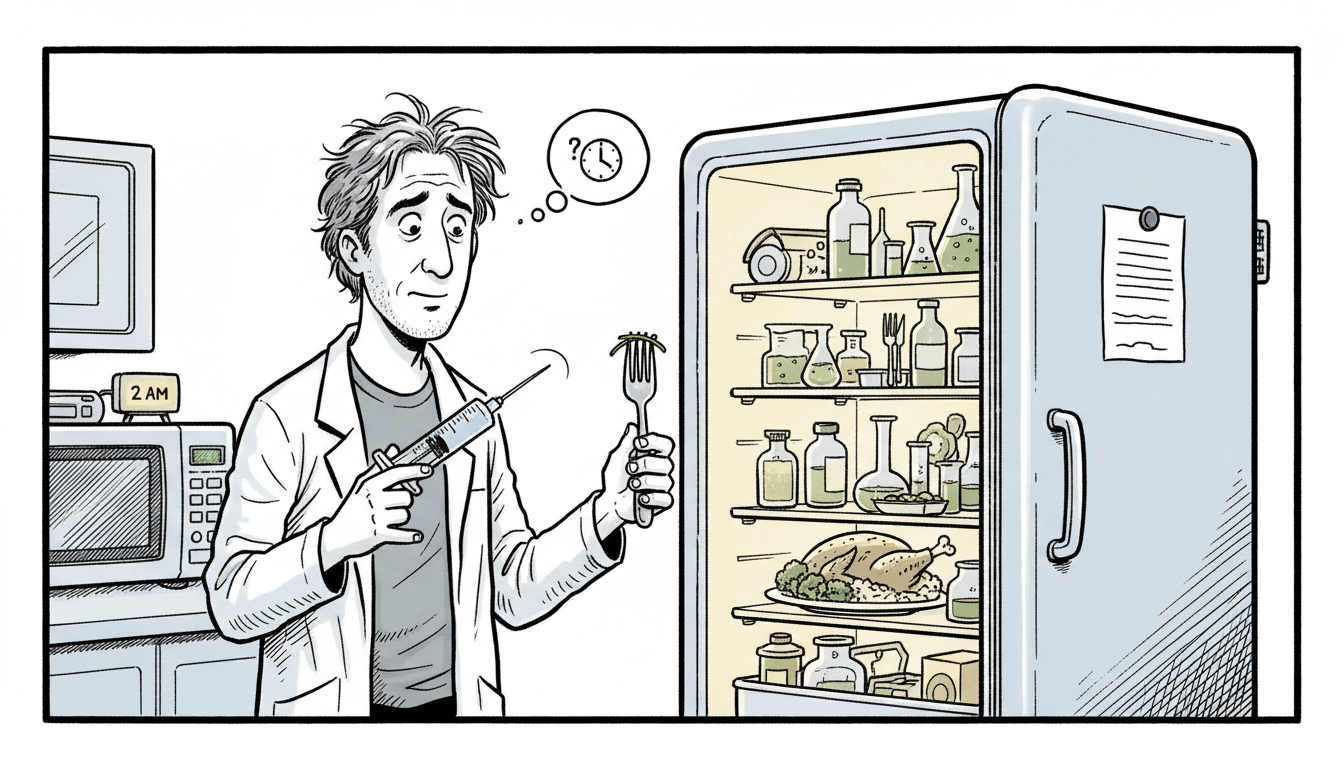
Turns out “appetite-independent” means even your favourite meal looks optional.
This content is for educational purposes. Consult a healthcare provider before making changes to diet, supplementation, or medical treatment.
Biohackers in online communities are buzzing about a new combo: GLP-1 agonists stacked with tesofensine for what some call “appetite-independent weight loss.” This tesofensine glp1 stack aims to amplify fat loss beyond satiety alone, blending hunger control with metabolic boosts. Emerging user reports suggest sustained results, but let’s unpack the science and anecdotes carefully.
What Is Tesofensine and Why Stack It with GLP-1?
Tesofensine, a triple reuptake inhibitor targeting dopamine, serotonin, and norepinephrine, was originally developed for neurodegenerative conditions. Preliminary human trials from the late 2000s showed significant weight loss—up to 10% body weight in six months—in obese participants, per phase II data. Unlike GLP-1 agonists, which primarily enhance satiety via gut hormone mimicry, tesofensine influences brain reward and energy expenditure pathways.
Stacking creates a glp1 tesofensine fat loss synergy: GLP-1 curbs appetite, while tesofensine may ramp up resting metabolism and reduce fat storage. Animal studies support this combo’s potential, but human data remains limited to small trials and user logs.
Mechanisms Behind the Tesofensine GLP1 Stack Synergy
Tesofensine’s reuptake inhibition boosts neurotransmitter levels, potentially increasing thermogenesis and lipolysis—in vitro and rodent models indicate this effect. GLP-1 receptor agonists like semaglutide slow gastric emptying and signal fullness to the brain. Together, they target multiple fat loss levers: appetite suppression plus elevated energy use.
One small human trial on tesofensine alone reported doubled fat oxidation versus placebo. No direct combo trials exist yet, so synergy relies on mechanistic overlap and biohacker experiments. Limitations include short study durations and lack of long-term data.
How It Differs from Appetite-Only Approaches
This stack promotes appetite independent weight loss by engaging central nervous system drivers. Users note continued calorie burn even on maintenance diets, contrasting pure GLP-1 effects.
User Reports: Real-World GLP-1 Tesofensine Fat Loss Outcomes
Discord channels and biohacking forums feature logs claiming 1-2 pounds weekly loss over months, often with preserved muscle via resistance training. One aggregated thread (n=~50 users) showed average 15% body weight reduction in 12 weeks, blending weekly GLP-1 injections with daily tesofensine.
These are anecdotal, self-reported, and uncontrolled—placebo effects or biases likely play roles. Sustained adherence stands out versus GLP-1 monotherapy drop-offs. For deeper GLP-1 protocols, check our GLP-1 Weight Loss Starter Protocol.
Safety Profile and Monitoring for Tesofensine GLP1 Stacks
Tesofensine raises heart rate and blood pressure in trials—mean increases of 5-10 bpm and 5-8 mmHg. Stacking with GLP-1, which has neutral-to-positive cardio effects in large trials, warrants baseline checks. User tips include daily BP/HR tracking and tyrosine supplementation to support catecholamines.
Compared to phentermine—a norepinephrine-focused stimulant with high abuse potential—tesofensine shows lower addiction risk in preclinical screens. Here’s a quick comparison:
| Aspect | Tesofensine | Phentermine |
|---|---|---|
| Mechanisms | Triple reuptake | Norepinephrine focus |
| Weight Loss (Trials) | 9-10% in 6 mo. | 5-8% in 3-6 mo. |
| Addiction Risk | Lower (preclinical) | Higher (Schedule IV) |
| CV Effects | Modest BP/HR rise | Stronger sympathetic |
Both carry regulatory hurdles—tesofensine remains investigational in most regions. Monitor for insomnia or anxiety; discontinue if CV markers spike.
Basic Protocol Insights from Community Trends
Common patterns: low-dose tesofensine nightly to minimize daytime jitters, paired with weekly GLP-1. Nutrition emphasizes protein (1.6g/kg) to counter any muscle risks—see our guide on Preventing Muscle Loss on GLP-1 Therapies. No standardized dosing exists; self-experimenters titrate slowly.
Availability varies by jurisdiction—research-grade only in many areas.
- Potential Synergy: GLP-1 satiety + tesofensine metabolism for 1-2lbs/week in logs.
- Key Monitoring: BP/HR daily; tyrosine for neurotransmitter support.
- Edge Over Phentermine: Broader mechanisms, lower abuse profile.
- Caveats: Anecdotal data; no long-term trials. Start with medical oversight.
- Next Steps: Track biomarkers, prioritize sleep and training.
The tesofensine glp1 stack represents an intriguing trend in biohacking fat loss, blending established GLP-1 effects with tesofensine’s metabolic punch. While user logs excite, evidence stays preliminary—prioritize safety monitoring and professional input. Experiment mindfully, log your data, and share insights in vetted communities. Ready to dive deeper? Explore related stacks on PeptideRepo.