
Semaglutide vs Tirzepatide: Which Wins for Metabolic and Longevity Biohacking?

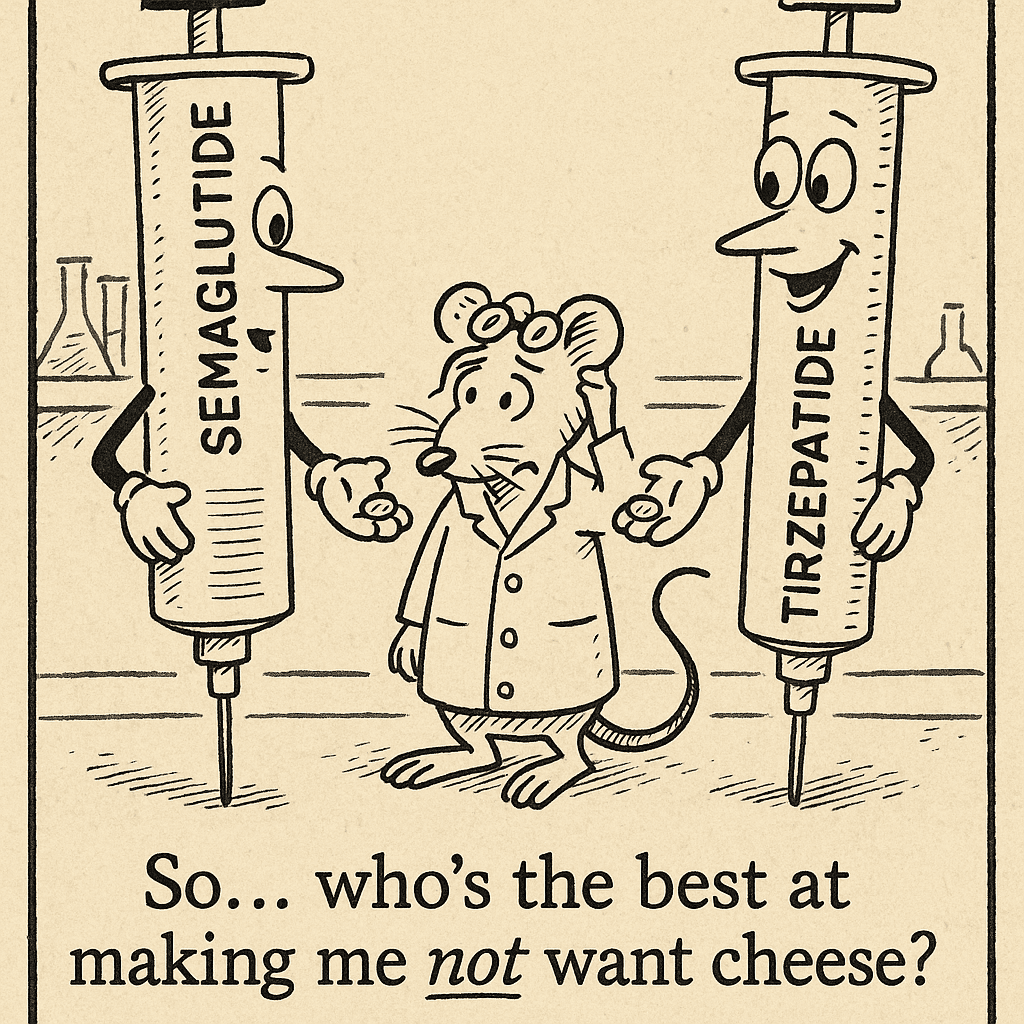
— “GLP-1 plus GIP: double the agonist, double the fun.”

Imagine shedding 20% of your body weight while boosting insulin sensitivity and hacking longevity markers—all from a weekly injection. In the biohacking world, semaglutide vs tirzepatide longevity debates rage as these GLP-1 agonists promise metabolic upgrades. This comparison dives into their mechanisms, trial data, and fit for non-diabetics chasing fat metabolism and long-term health.

This content is for educational purposes. Consult a healthcare provider before making changes to diet, supplementation, or medical treatment.

How Do Semaglutide and Tirzepatide Work? GLP-1 vs GLP-1/GIP Mechanisms

Semaglutide vs tirzepatide longevity debates rage in biohacking circles. These GLP-1 agonists promise metabolic upgrades with distinct mechanisms.

Tirzepatide goes further as a dual GLP-1/GIP agonist. GIP, another incretin hormone, may amplify fat metabolism and insulin sensitivity. Preliminary evidence from phase 3 trials suggests this combo yields stronger tirzepatide metabolic benefits, though long-term data is emerging.

Weight Loss Efficacy: STEP Trials vs SURMOUNT Insights

Key Trial Results

In the STEP trials (randomized controlled human studies with thousands of participants), semaglutide led to 15-20% body weight reduction over 68 weeks. One analysis reported average losses of 17.4% versus 2.4% on placebo, with consistent effects across obesity cohorts.

SURMOUNT trials for tirzepatide showed superior results: up to 20-25% weight loss. A pivotal study noted 22.5% mean reduction at highest doses, outperforming semaglutide head-to-head in some metrics. Limitations include shorter durations and industry funding, but replicated findings build confidence.

Insulin Sensitivity, Fat Metabolism, and Longevity Potential

Both improve insulin sensitivity in human trials—semaglutide via GLP-1 pathways, tirzepatide potentially more via GIP synergy. Observational data links GLP-1 agonists to better fat oxidation, which could support metabolic health.

For longevity biohacking, early markers like reduced inflammation appear promising in non-diabetics. However, most data comes from diabetic or obese populations; applicability to healthy users remains understudied. Check our guide on preventing muscle loss on GLP-1 therapies for stacking tips.

Dosing, Cost, Side Effects, and Non-Diabetic Use

Semaglutide offers weekly injections with oral options; tirzepatide is weekly subcutaneous only. Costs vary by region and availability—both face regulatory scrutiny, with legality differing by jurisdiction.

Side effects overlap: nausea, GI issues top the list, per trial data (20-40% incidence). Tirzepatide may edge higher initially but tolerates similarly long-term. For non-diabetics in longevity stacks, human data is limited to off-label use; monitor closely.

  • Efficacy edge: Tirzepatide’s 20-25% weight loss beats semaglutide’s 15-20% in head-to-head trials.
  • Metabolic wins: Dual action may boost insulin sensitivity and fat metabolism more.
  • Practicality: Similar sides and dosing; cost and access decide.
  • Longevity fit: Promising for stacks, but evidence preliminary—prioritize resistance training.

Semaglutide sets the bar, but tirzepatide’s dual mechanism suggests advantages for aggressive metabolic and semaglutide vs tirzepatide longevity goals. Trial data favors tirzepatide on weight and insulin metrics, though individual responses vary. Pair with nutrition and exercise for best results. Discuss with your doctor to weigh personal fit amid evolving regulations.

Injectable vs. Oral Semaglutide: Which Wins for Busy Biohackers?

Disclaimer: This content is for educational purposes. Consult a healthcare provider before making changes to diet, supplementation, or medical treatment.

Injectable vs oral semaglutide—which works for busy biohackers? Adherence and absorption differ significantly between these GLP-1 forms.

Injectable vs. Oral Semaglutide: Efficacy Breakdown

Injectable semaglutide, like weekly Ozempic or compounded versions, boasts superior bioavailability. Multiple randomized controlled trials, including the STEP program, show it achieves 10-20% higher plasma levels than oral forms due to bypassing gut degradation. Oral semaglutide (Rybelsus) requires higher doses to compensate for just 1% absorption in human trials.

One large phase 3 trial found injectables yielding greater HbA1c reductions (1.5-2% vs. 1-1.5% for oral), though effect sizes vary by dose and patient factors. Limitations include small oral trial samples and GI variability. For biohackers tracking biomarkers, injectables may edge out for consistency.

GLP-1 Adherence Biohacking: Oral Semaglutide Absorption Tips

Oral semaglutide demands precision for max uptake. Take it on an empty stomach with minimal water (under 4 oz), waiting 30 minutes before food or coffee. Preliminary data suggests grapefruit juice might boost absorption via enzyme inhibition, but human evidence is anecdotal—stick to trials.

GI side effects hit both, but orals often trigger more nausea. Biohacks like splitting doses or pairing with ginger help. For travel, orals win—no needles through airports. Check Peptide Repo for deeper GLP-1 protocol insights.

Cost, GI Management, and Lifestyle Choices

Compounded injectables run ~$250/month vs. $900+ for branded oral, per U.S. pharmacy data. Availability varies by region and regulations. Manage GI intolerance across both with slow titration and hydration—observational studies link probiotics to fewer dropouts.

Choose injectables for max efficacy and weekly convenience if needles don’t faze you. Opt for oral if prioritizing pill-based adherence or needle phobia. Biohackers with erratic schedules lean oral for flexibility.

  • Injectables: Higher efficacy (10-20% better absorption), lower cost, weekly dosing.
  • Oral: Easier travel, but strict protocols and pricier branded options.
  • Both: Titrate slowly for GI tolerance; track metrics personally.

Neither is one-size-fits-all—align with your biohacking goals. Experiment under medical guidance, perhaps starting with what’s accessible. Dive into more on Peptide Repo GLP-1 resources. What’s your pick? Share in comments and level up your stack.

BPC-157 vs. TB-500: Which Peptide Reigns Supreme for Injury Recovery?

— “I'm more of a 'slow and steady wins the race' kind of peptide.”

BPC-157 vs. TB-500: Which Peptide Reigns Supreme for Injury Recovery?

BPC-157 vs TB-500 comparison reveals distinct regenerative capabilities. Both peptides offer promising injury recovery support.

Understanding the Key Players: BPC-157 and TB-500

To effectively compare BPC-157 and TB-500, let’s first understand what each peptide is and how it’s believed to function.

BPC-157: The Body Protection Compound

  • Origin and Function: Derived from a stable form of a peptide naturally found in gastric juice, BPC-157 is renowned for its broad-spectrum healing properties.
  • Proposed Mechanisms: It is thought to significantly promote angiogenesis (the formation of new blood vessels), modulate crucial growth factors, protect tissues from damage, and accelerate healing across a wide range of bodily systems, including tendons, ligaments, muscles, and the gastrointestinal tract.
  • Application: BPC-157 is recognized for its potential to act both systemically and locally at injury sites, making it a versatile tool for recovery.

TB-500: The Thymosin Beta-4 Mimetic

  • Origin and Function: TB-500 is a synthetic peptide designed to mimic the effects of Thymosin Beta-4, a naturally occurring protein vital for numerous cellular processes.
  • Proposed Mechanisms: Its proposed mechanisms involve enhancing cell migration, differentiation, and proliferation – all essential for effective tissue repair. TB-500 is also noted for its potent anti-inflammatory properties and its role in tissue remodeling and regeneration.
  • Application: This peptide is particularly highlighted for its benefits in wound healing and restoring overall tissue integrity.

Mechanism Showdown: How They Drive Tissue Repair

While both peptides are potent healing agents, their underlying mechanisms of action differ, offering unique benefits for injury recovery.

  • BPC-157’s Approach: This peptide is believed to significantly boost angiogenesis, ensuring that injured tissues receive an optimal supply of oxygen and nutrients necessary for repair. It also upregulates key growth factors like VEGF and exhibits protective effects against oxidative stress, contributing to the healing of connective tissues and internal organs.
  • TB-500’s Strategy: TB-500 is thought to activate resident stem cells, guiding them to damaged areas to initiate the repair process. It facilitates the growth of new cells and is recognized for its ability to reduce scar tissue formation, leading to higher quality tissue regeneration. Its broad action benefits multiple tissue types.
  • Key Differences: In essence, BPC-157 appears to focus more on vascularization and direct tissue protection, while TB-500 emphasizes stem cell mobilization and cellular repair processes.

Anecdotal Evidence and User-Reported Outcomes

While scientific research is ongoing, user experiences provide valuable insights into the practical applications of these peptides.

  • BPC-157 Experiences: Users frequently report accelerated healing of tendon tears, ligament sprains, muscle strains, and joint injuries. Anecdotal evidence also suggests benefits for gut health and a reduction in systemic inflammation.
  • TB-500 Experiences: Common reports include improved flexibility, reduced pain, and faster recovery from injuries. Many users also note benefits in overall wound healing and a noticeable reduction in scar tissue.
  • Comparing Effectiveness: Anecdotal evidence suggests BPC-157 might be particularly effective for specific musculoskeletal injuries, while TB-500 is often praised for its broader impact on tissue quality and flexibility.

The Power of Synergy: Combining BPC-157 and TB-500

The potential for using BPC-157 and TB-500 in conjunction is a topic of significant interest within the biohacking and longevity communities. Their distinct mechanisms—BPC-157’s focus on vascularization and TB-500’s emphasis on cellular repair and stem cell activation—could theoretically create a powerful synergistic effect. Combining them might enhance the delivery of repair factors to injured sites and accelerate regeneration across a wider spectrum of tissues, offering a more comprehensive approach to healing peptides.

Navigating Peptide Information: Where to Find Reliable Resources

When researching potent compounds like BPC-157 and TB-500, accessing reliable and unbiased information is paramount. For comprehensive details on peptide science, mechanisms, and ongoing research, consider exploring resources like peptide repo. Remember, peptide repo is an invaluable informational hub dedicated to providing insights into the world of peptides and is not a vendor.

Conclusion: Making an Informed Choice for Optimal Recovery

Both BPC-157 and TB-500 demonstrate significant promise in the realm of injury recovery, each offering distinct yet potentially complementary benefits. While BPC-157 appears to excel in promoting angiogenesis and direct tissue protection, TB-500 focuses on cell migration and stem cell activation. The decision between them, or whether to explore their synergistic use, often depends on the specific nature of the injury and individual physiological responses. Further research, careful consideration of anecdotal evidence, and consultation with knowledgeable health professionals, alongside reliable information from resources like peptide repo, can guide you toward the most effective path for your recovery journey. This comparison of healing peptides highlights their unique strengths in the pursuit of optimal health and recovery.

Share Your Experience: Have you used BPC-157 or TB-500 for injury recovery? We’d love to hear about your journey in the comments below! For more in-depth peptide research and information, visit peptide repo.

Semaglutide vs. Tirzepatide: Which GLP-1 Agonist Reigns Supreme for Weight Loss?

Semaglutide vs. Tirzepatide: A Comprehensive Guide to GLP-1 Agonists for Weight Management

Semaglutide vs tirzepatide comparison reveals distinct weight management mechanisms. These GLP-1 agonists offer revolutionary metabolic solutions.

Understanding the Science: Mechanisms of Action for Weight Loss Medications

At the core of their effectiveness lies their intricate interaction with specific receptors in the body. Understanding these mechanisms is crucial when considering these medications and their impact on appetite and metabolism. For those seeking deeper insights into the science behind various compounds and their potential applications, exploring resources like Peptide Repo can provide valuable, vendor-neutral information on peptides.

Semaglutide: A Focused GLP-1 Receptor Agonist

Semaglutide functions as a potent GLP-1 receptor agonist, effectively mimicking the action of the naturally occurring glucagon-like peptide-1 hormone. This mimicry influences several key bodily processes: it slows gastric emptying, thereby increasing feelings of fullness; it enhances satiety signals to the brain, reducing appetite; and it plays a vital role in improving glucose regulation by stimulating insulin secretion and reducing glucagon release.

Tirzepatide: A Dual Action Strategy (GLP-1 and GIP)

Tirzepatide distinguishes itself with a unique dual mechanism of action, acting as both a GLP-1 and a GIP (glucose-dependent insulinotropic polypeptide) receptor agonist. GIP is another incretin hormone that, like GLP-1, is released after eating and helps regulate glucose levels. By activating both GLP-1 and GIP pathways, Tirzepatide offers a potentially synergistic effect, leading to enhanced glucose control and more robust appetite suppression compared to GLP-1 agonists alone.

Clinical Trial Results: Quantifying Weight Loss Efficacy

The real-world impact of Semaglutide and Tirzepatide has been rigorously tested in large-scale clinical trials, and the results are compelling for weight management.

For Semaglutide, the STEP trials have consistently demonstrated significant weight loss. Participants often achieve an average of up to 15% body weight reduction, a figure that has been instrumental in its widespread adoption. Tirzepatide, evaluated in the SURMOUNT trials, has shown substantial efficacy. Studies have reported average weight loss figures reaching up to 20-25% of body weight, surpassing many existing treatments. These substantial weight loss percentages are not merely aesthetic; they translate into meaningful improvements in metabolic health markers and a reduced risk of obesity-related complications.

Navigating Side Effects and Administration for These Medications

While both medications offer significant benefits, understanding their potential side effect profiles and administration methods is essential for informed decision-making.

Common Side Effect Profiles

The most commonly reported side effects for both Semaglutide and Tirzepatide are gastrointestinal in nature, including nausea, vomiting, diarrhea, and constipation. These effects are often dose-dependent and tend to diminish over time as the body adjusts. Clinical data suggests that while both drugs share these side effects, Tirzepatide might be associated with a slightly higher incidence or severity of some gastrointestinal issues due to its dual action. It is crucial to discuss any pre-existing conditions, such as a history of pancreatitis or medullary thyroid carcinoma, with your healthcare provider, as these may represent contraindications.

Administration and Dosage Schedules

Both Semaglutide and Tirzepatide are administered via subcutaneous injection. Semaglutide is typically injected once weekly, with available dosages ranging from 0.25 mg up to 2.4 mg. Tirzepatide is also administered weekly, with dosages progressing up to 15 mg or 20 mg depending on the specific formulation and indication. The titration schedules for both drugs are designed to gradually increase the dose, allowing the body to adapt and minimize side effects. The convenience of once-weekly self-administration is a significant practical advantage for many patients.

Long-Term Outlook: Enhancing Metabolic Health and Longevity

The benefits of these medications extend far beyond immediate weight loss, profoundly impacting overall metabolic health and potentially contributing to longevity. For individuals interested in the broader landscape of peptides for health and longevity, Peptide Repo can serve as an excellent educational platform for research.

Both Semaglutide and Tirzepatide have demonstrated significant improvements in glycemic control, as evidenced by reductions in HbA1c levels, making them valuable tools in managing type 2 diabetes. Furthermore, they have shown positive effects on blood pressure and lipid profiles, contributing to a reduced cardiovascular risk profile. The potential for sustained weight management offered by these therapies holds immense promise for mitigating the long-term risks associated with obesity, including heart disease, stroke, and type 2 diabetes.

Conclusion: Making an Informed Choice for Your Health Journey

In comparing Semaglutide vs Tirzepatide, neither drug definitively offers a universal solution. Semaglutide offers robust GLP-1 receptor agonism with proven weight loss and metabolic benefits. Tirzepatide, with its dual GLP-1 and GIP action, presents a potent option for weight loss and glycemic control, with clinical trials indicating significant efficacy. However, potential differences in side effect profiles and individual responses mean that the optimal choice is highly individualized, depending on your specific medical history, treatment goals, tolerance for side effects, and overall health status.

The most critical step is to engage in an open and honest discussion with your healthcare professional. They can assess your unique needs and guide you toward the most appropriate and safest treatment plan. We encourage you to share your thoughts or questions in the comments below.

BPC-157 vs. TB-500: Which Peptide Reigns Supreme for Recovery?

BPC-157 vs. TB-500: Unlocking Faster Injury Recovery

BPC-157 and TB-500 recovery protocols offer distinct healing mechanisms. Discover their potential synergy for accelerated recovery.

Keywords: BPC-157 vs TB-500, peptide injury recovery, healing peptides, TB-500 benefits, BPC-157 benefits, regenerative medicine, biohacking

The Frustration of Slow Healing and the Promise of Peptides

Experiencing a nagging injury can be incredibly frustrating, hindering daily life and athletic pursuits. The desire to speed up the body’s natural repair mechanisms is powerful. In the realm of regenerative medicine and biohacking, peptides have emerged as promising tools for tissue repair and recovery. Among the most discussed are BPC-157 and TB-500, two peptides renowned for their potential healing capabilities. This comparison of BPC-157 vs TB-500 will delve into their unique mechanisms, reported benefits, and how they might work together to optimize your recovery.

Understanding the Mechanisms: How BPC-157 and TB-500 Work

BPC-157: Enhancing Your Body’s Innate Repair System

BPC-157, a peptide derived from a protein found in gastric juice, is known for its protective effects. Its proposed mechanisms for injury recovery are multifaceted. It is believed to promote angiogenesis, the formation of new blood vessels, essential for delivering vital nutrients and oxygen to damaged tissues. BPC-157 may also increase growth hormone receptor sensitivity, amplifying the body’s natural repair signals. Furthermore, it appears to modulate inflammatory responses and aid in the repair of diverse tissues, including tendons, ligaments, muscles, and the gastrointestinal tract. Its versatility allows for both systemic and localized administration.

TB-500 (Thymosin Beta-4): The Master Regulator of Cell Migration

TB-500 is a synthetic analogue of Thymosin Beta-4, a naturally occurring peptide crucial for cellular functions. Its primary role in healing is orchestrating cell migration – a fundamental process in wound healing and tissue regeneration. TB-500 facilitates the movement of cells to injured sites, supports cell differentiation and proliferation, and helps reduce inflammation. It achieves this in part by interacting with actin, a key protein involved in cell structure and movement, making it a potent agent for fostering tissue repair and regeneration across various cell types.

Reported Benefits: What Users Experience

BPC-157 Benefits: A Versatile Healer

The reported benefits of BPC-157 are extensive. Users frequently describe accelerated healing of muscle tears, ligament sprains, tendon injuries, and even bone fractures. Its positive impact on gastrointestinal health is also commonly noted. Anecdotal evidence often highlights significant pain reduction and improved mobility, cementing BPC-157’s reputation as a versatile healing agent.

TB-500 Benefits: The Regenerative Powerhouse

TB-500 is celebrated for its potent regenerative properties, particularly in soft tissue repair. It is widely used for enhancing recovery from injuries to tendons, ligaments, and muscles. Users often report a reduction in scar tissue formation, leading to improved flexibility and range of motion. Beyond musculoskeletal applications, TB-500 has also shown potential benefits for skin healing and eye conditions. The consistent theme in user experiences is faster recovery times and increased tissue resilience.

Synergy and Tailoring Your Recovery Strategy

The Power of Combination: BPC-157 and TB-500 Together

The complementary mechanisms of BPC-157 and TB-500 suggest a powerful synergistic effect when used together. BPC-157 can prepare the groundwork for repair by enhancing blood flow and foundational healing, while TB-500 can then efficiently guide cells to these prepared areas for accelerated regeneration. While extensive human clinical trials on their combined use are limited, anecdotal reports frequently indicate that using BPC-157 and TB-500 in tandem can yield superior recovery outcomes compared to using either peptide alone.

Choosing the Right Peptide for Your Injury

The decision between BPC-157, TB-500, or their combination often depends on the specific injury and individual recovery goals. BPC-157 may be a preferred choice for more complex injuries involving multiple tissue types, for addressing gut health concerns, or when bone healing is a priority. TB-500 might be more suitable for acute soft tissue injuries, aiming to minimize scar tissue, or for enhancing overall flexibility. Ultimately, the “best” peptide is context-dependent, and a personalized approach is key.

Important Considerations for Peptide Use

Safety and the Current Research Landscape

While anecdotal evidence for both BPC-157 and TB-500 is compelling, it’s crucial to note that robust human clinical trials are still in their early stages for these peptides. As with any performance or health-enhancing substance, consulting with a qualified healthcare professional before considering peptide use is paramount. While generally considered safe with mild and rare side effects, professional guidance ensures responsible and informed decision-making.

Navigating Peptide Information Resources

The field of peptide research can be complex to navigate. For those seeking comprehensive and unbiased information on peptides like BPC-157 and TB-500, exploring reputable resources is essential. Websites like peptide repo offer valuable insights into various peptides, their mechanisms, and current research findings. Remember, peptide repo serves as an informational platform and does not endorse or sell specific products.

Conclusion: The Evolving Landscape of Peptide-Assisted Recovery

In the comparison of BPC-157 vs TB-500, both peptides stand out as powerful tools for enhancing injury recovery. BPC-157 shines as a versatile repair enhancer with broad-spectrum benefits, while TB-500 excels as a regenerative powerhouse, particularly for soft tissue repair and improving flexibility. Their combination holds significant potential for synergistic effects, offering enhanced recovery outcomes for many. As research into these fascinating healing peptides continues to advance, the future of injury recovery looks increasingly promising. We encourage you to share your experiences, consult with healthcare professionals, and continue your journey of discovery in the dynamic world of peptide science.